
Blog Category
How Shootsta Helps
The buyer's view of working with an enterprise video production partner.
Plain answers to the questions enterprise teams actually ask before signing - in-house team fit, budget, pilots, brand control, speed, multilingual, accessibility, contracts and more.
Each post covers one cluster of buyer questions and ships with a custom infographic plus an interactive tool. Share the URL that matches the question you got, or browse the library if you are scoping a program from scratch.
Back to all articles47 articles in How Shootsta Helps
How to Brief an Animation Project
An animation brief is the document you send to your production partner before work starts. Get it right and you cut revision cycles in half. Get it wrong and you discover mid-production that everyone disagrees on what the video is for. This is what a complete brief looks like.
August 12, 2026
Animation for change management comms
Animation handles change management communications better than live video for three reasons: no on-camera executives required during sensitive periods, scene-level updates when plans shift, and a single production that works across global teams with voiceover-only language swaps.
August 4, 2026
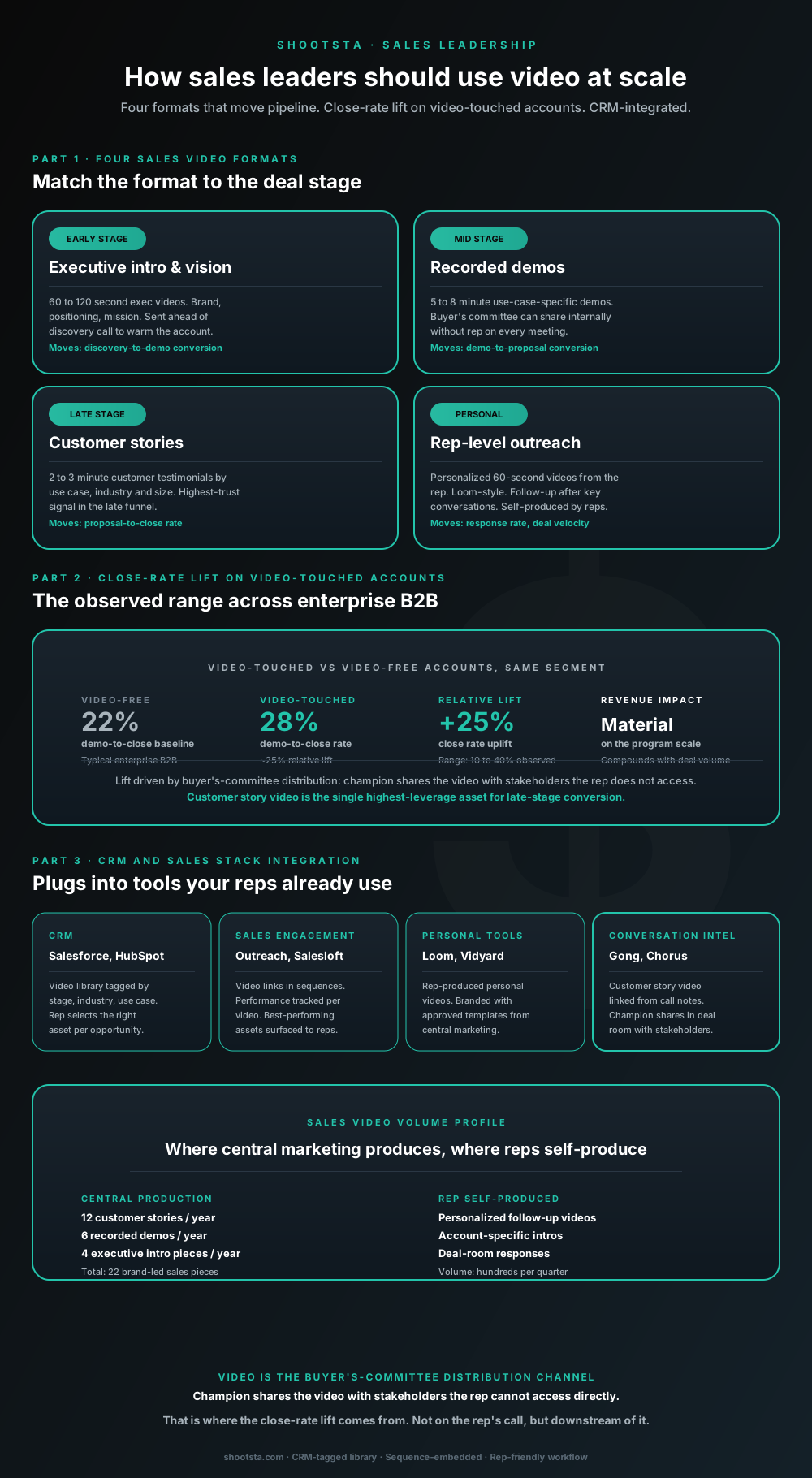
How sales leaders should use video at scale
Sales leaders mostly think about video as personalized rep outreach (Loom, Vidyard) or as marketing-produced customer stories. Both are useful. The bigger opportunity is the buyer's-committee distribution layer: assets the champion shares internally with stakeholders the rep does not access directly. That is where the close-rate lift compounds.
June 2, 2026
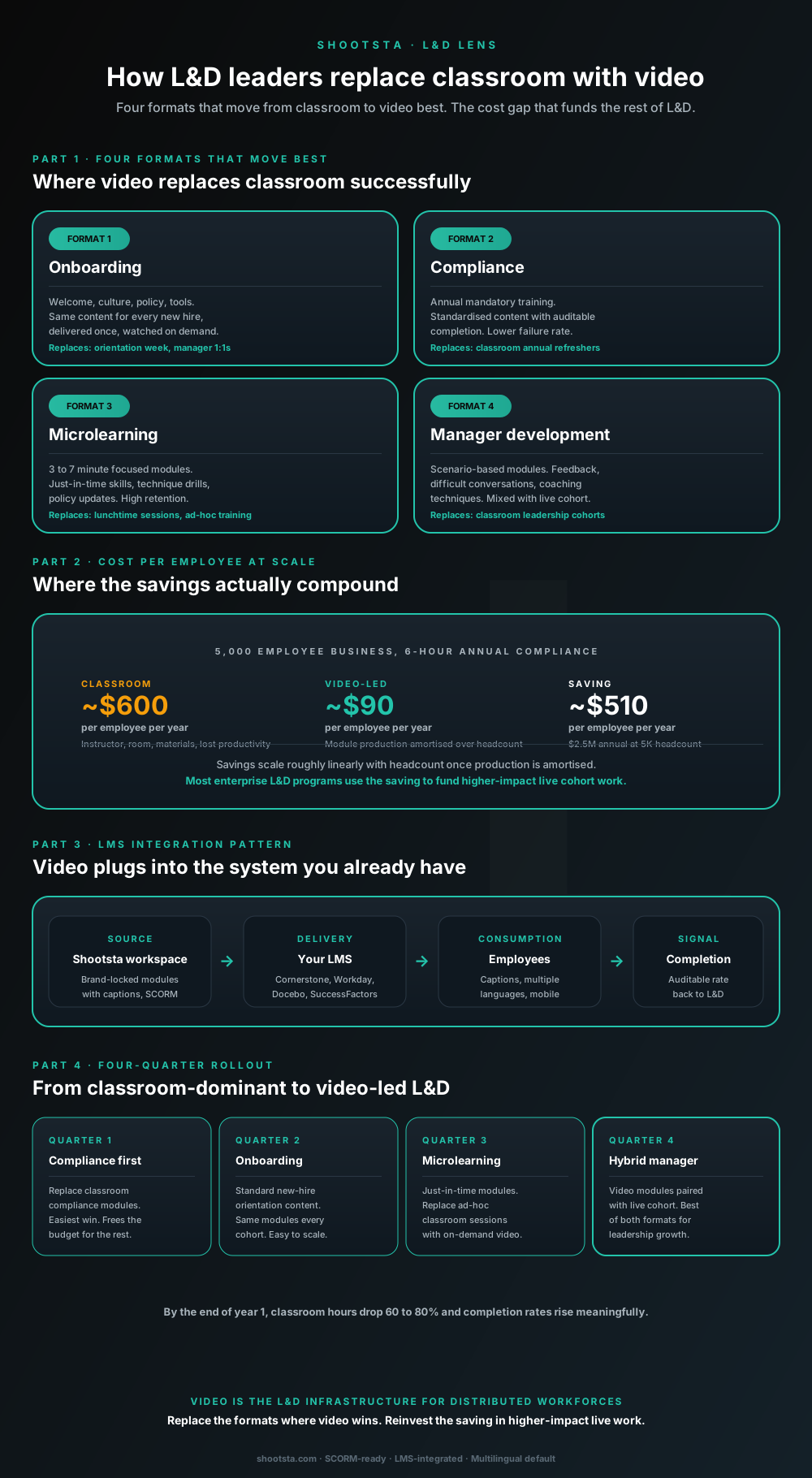
How L&D leaders replace classroom with video
L&D leaders running classroom-heavy training programs typically have the largest single opportunity in the business to free budget through format change. Four training formats move from classroom to video cleanly; the savings fund higher-impact live work. Here is the rollout that compounds learner adoption over four quarters.
June 1, 2026
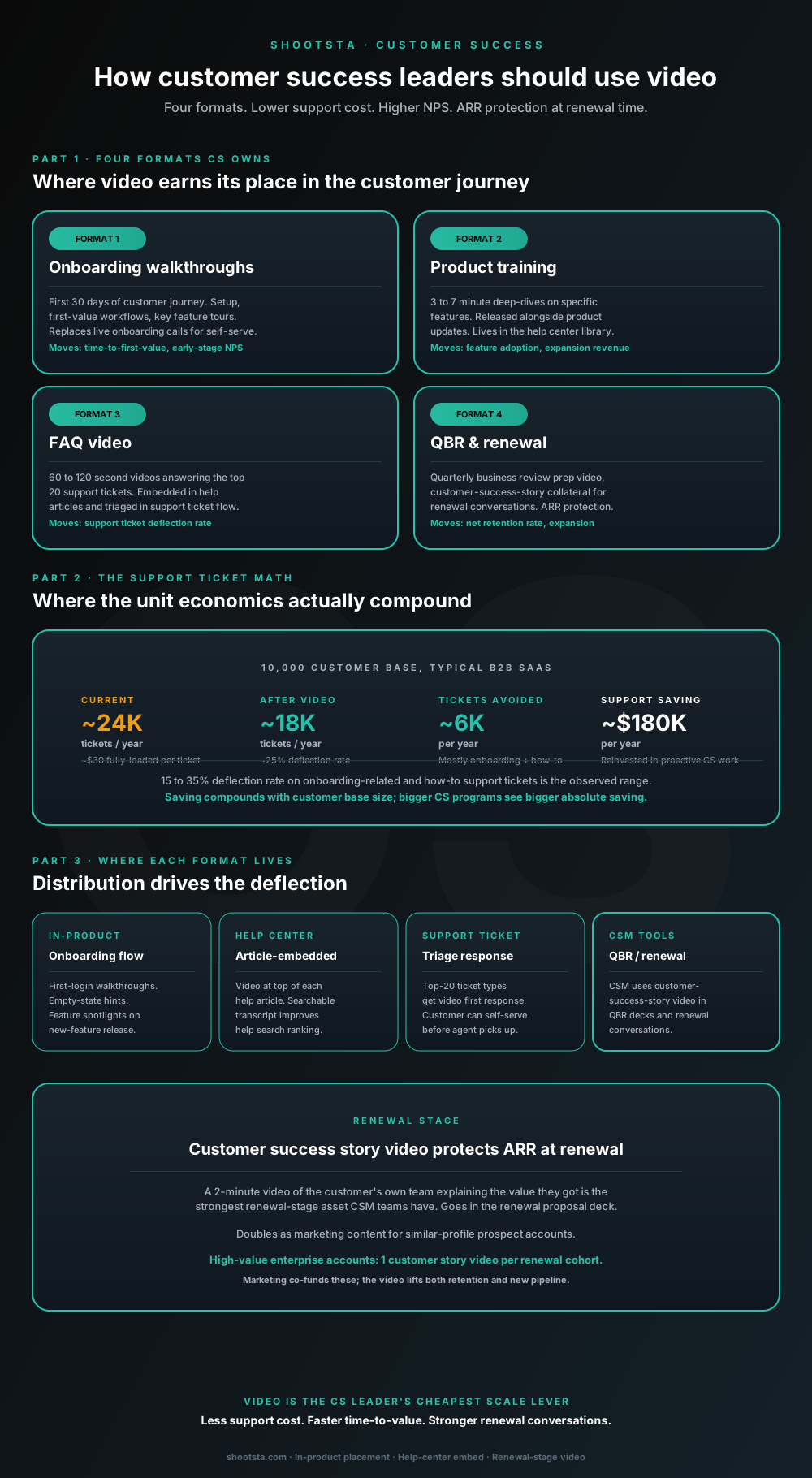
How customer success leaders should use video
Customer success leaders are usually under-resourced for both reactive support volume and proactive retention work. Video is the cheapest lever to fix both - 15 to 35% deflection on onboarding and how-to tickets, faster time-to-value, and renewal-stage customer story video that lifts net retention. Here is the four-format model and where each piece earns its place.
May 31, 2026
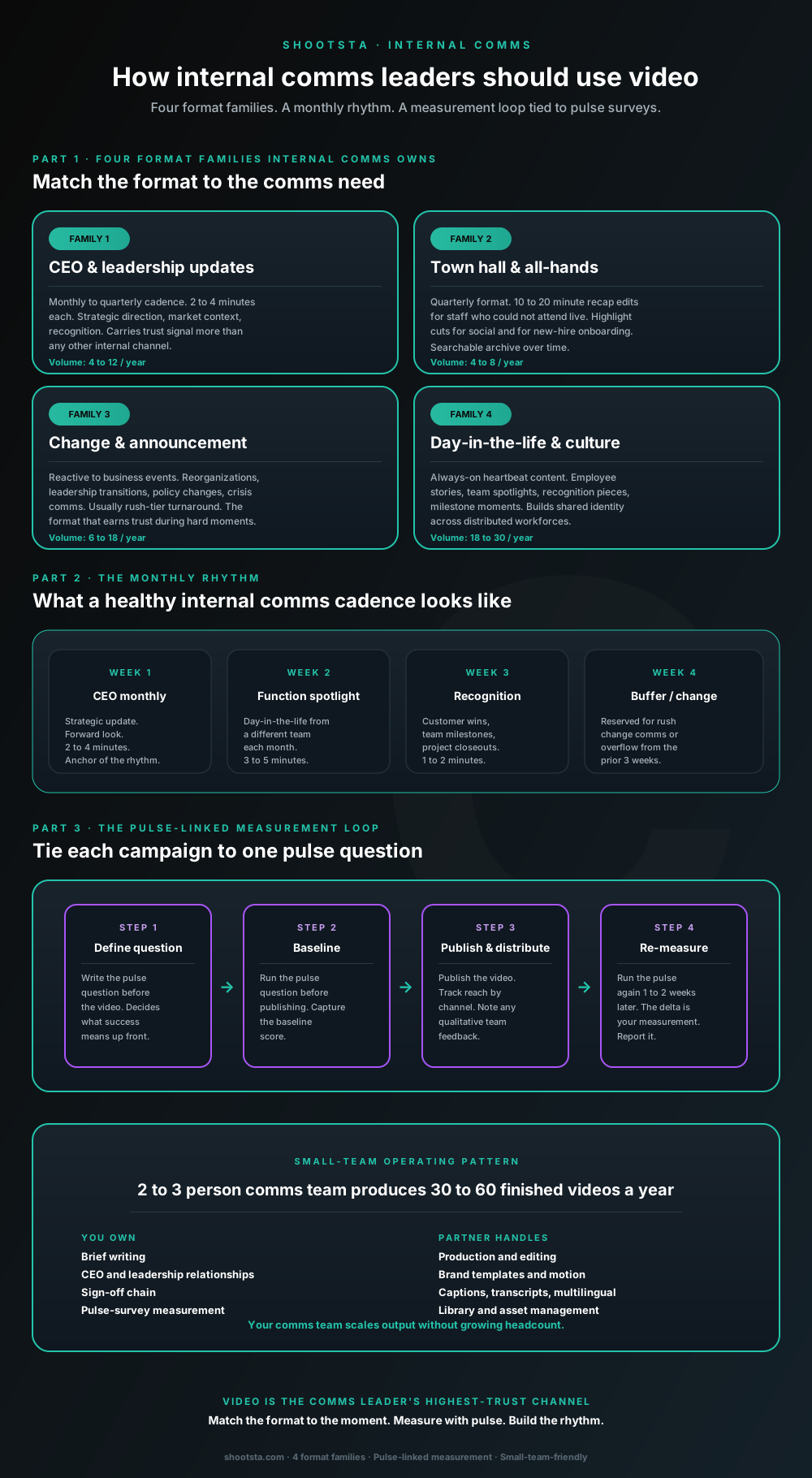
How internal comms leaders should use video
Internal comms leaders are usually under-resourced for the volume of video the business wants. The fix is not more headcount; it is structuring the program around four format families, a monthly rhythm, and a pulse-survey-linked measurement loop. Here is the operating pattern that lets a small comms team produce 30 to 60 finished videos a year.
May 30, 2026
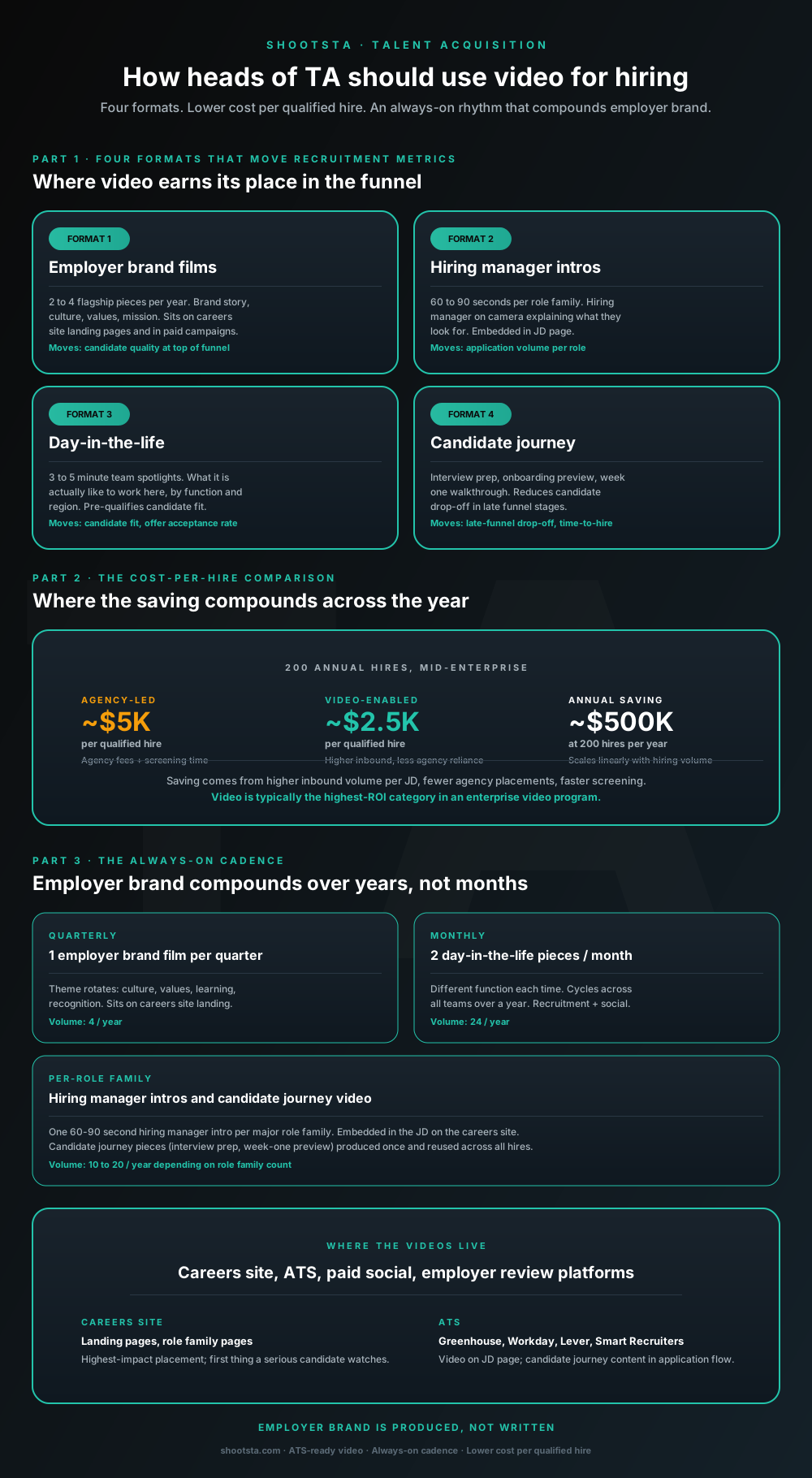
How heads of TA should use video for hiring
Heads of talent acquisition running agency-heavy hiring funnels usually have the highest-ROI video opportunity in the business. Four formats move recruitment metrics most, the cost-per-qualified-hire drops 35 to 60 percent at scale, and the rhythm compounds employer brand over years rather than months.
May 29, 2026
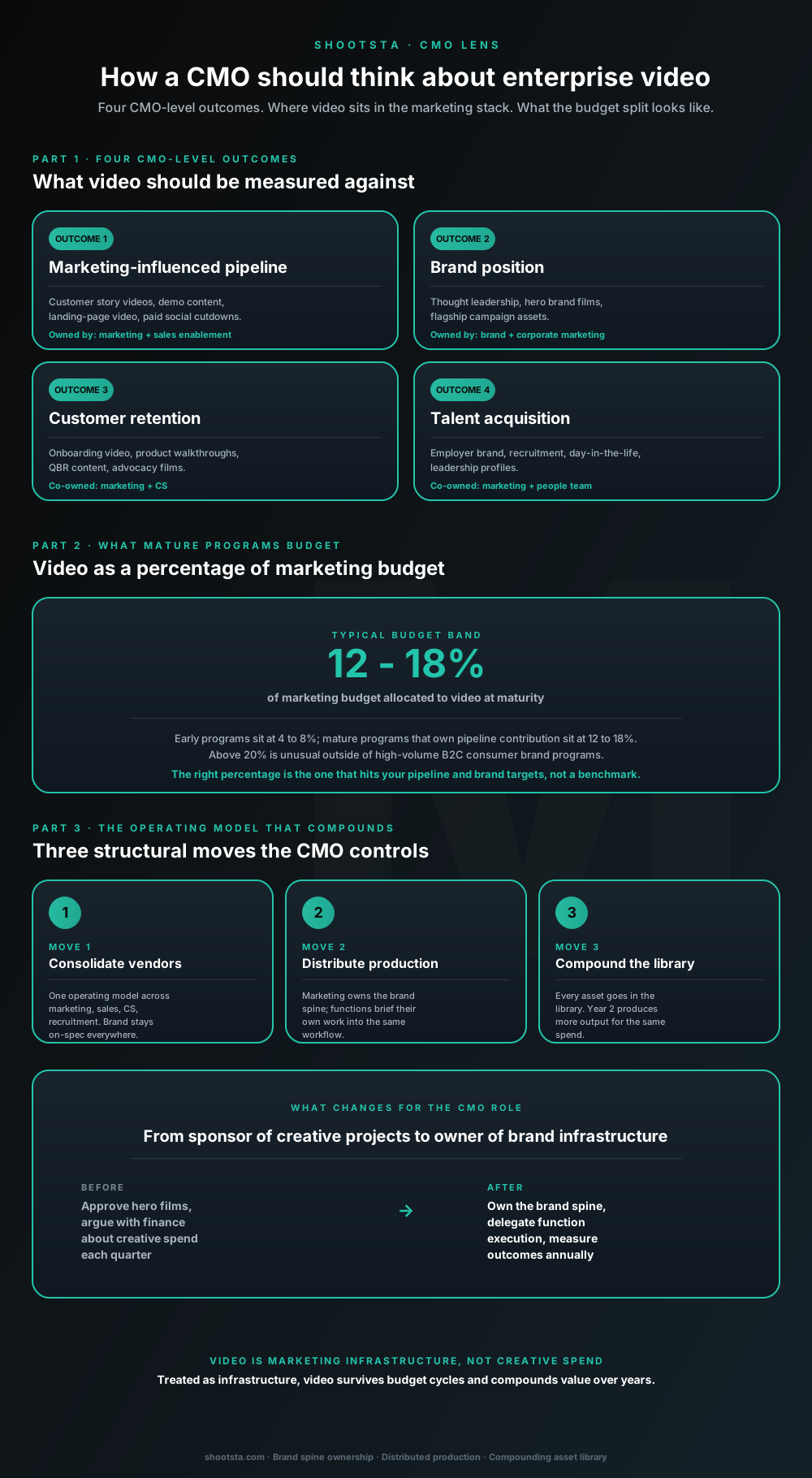
How a CMO should think about enterprise video
Most CMOs inherit a fragmented video footprint and treat it as a creative line item. The shift to treating video as marketing infrastructure changes the conversation with the CFO, the function leaders and the agency stack. Four outcomes to measure against, the 12 to 18% budget band mature programs allocate, and the operating model that compounds value over years.
May 28, 2026
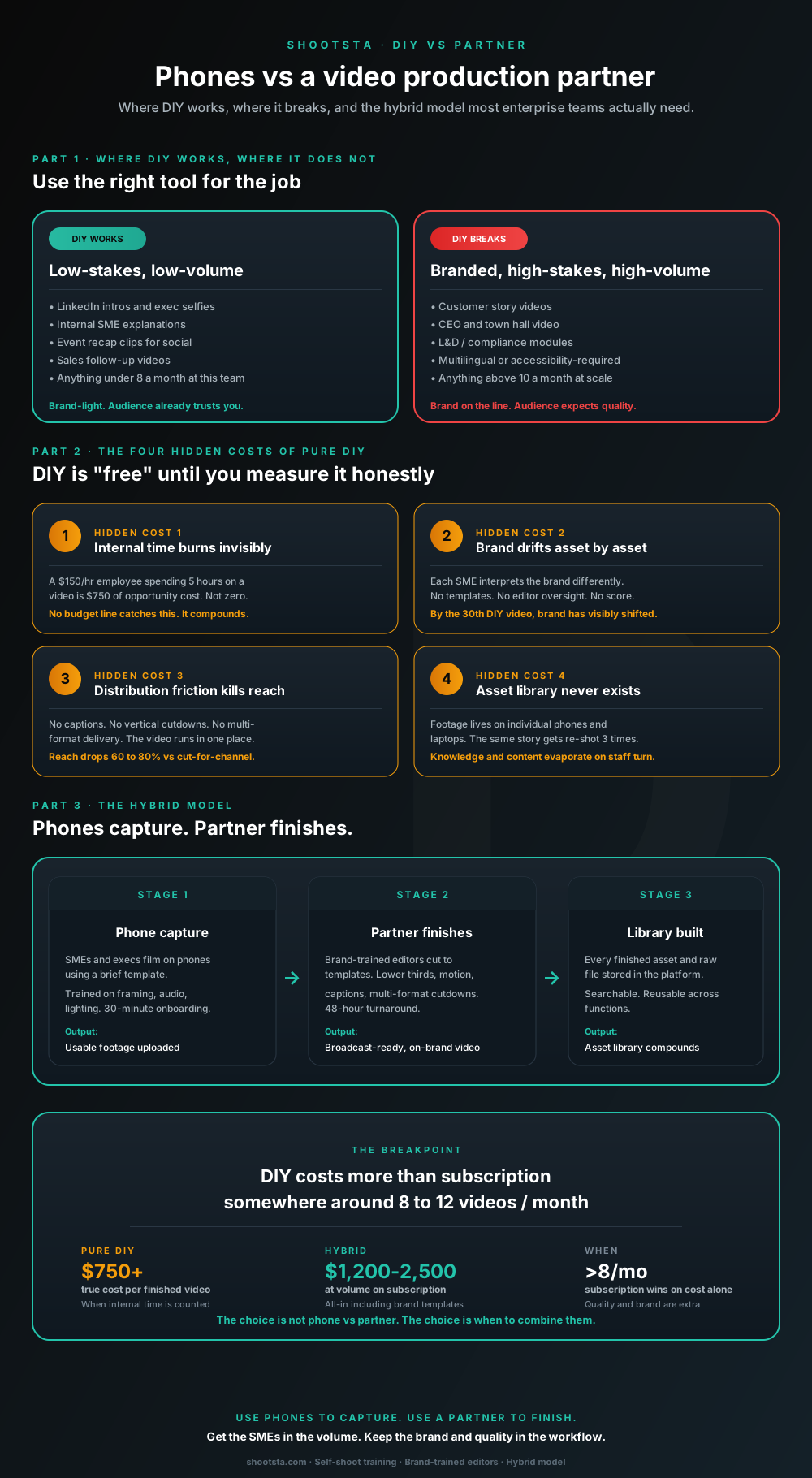
Phones vs a video production partner
Most enterprise teams who try pure DIY phone video hit a wall somewhere around 8 to 12 videos a month. The honest answer is not phones vs partner. It is the hybrid model: phones capture the footage, the partner finishes to brand. Here is where each one earns its place.
May 27, 2026
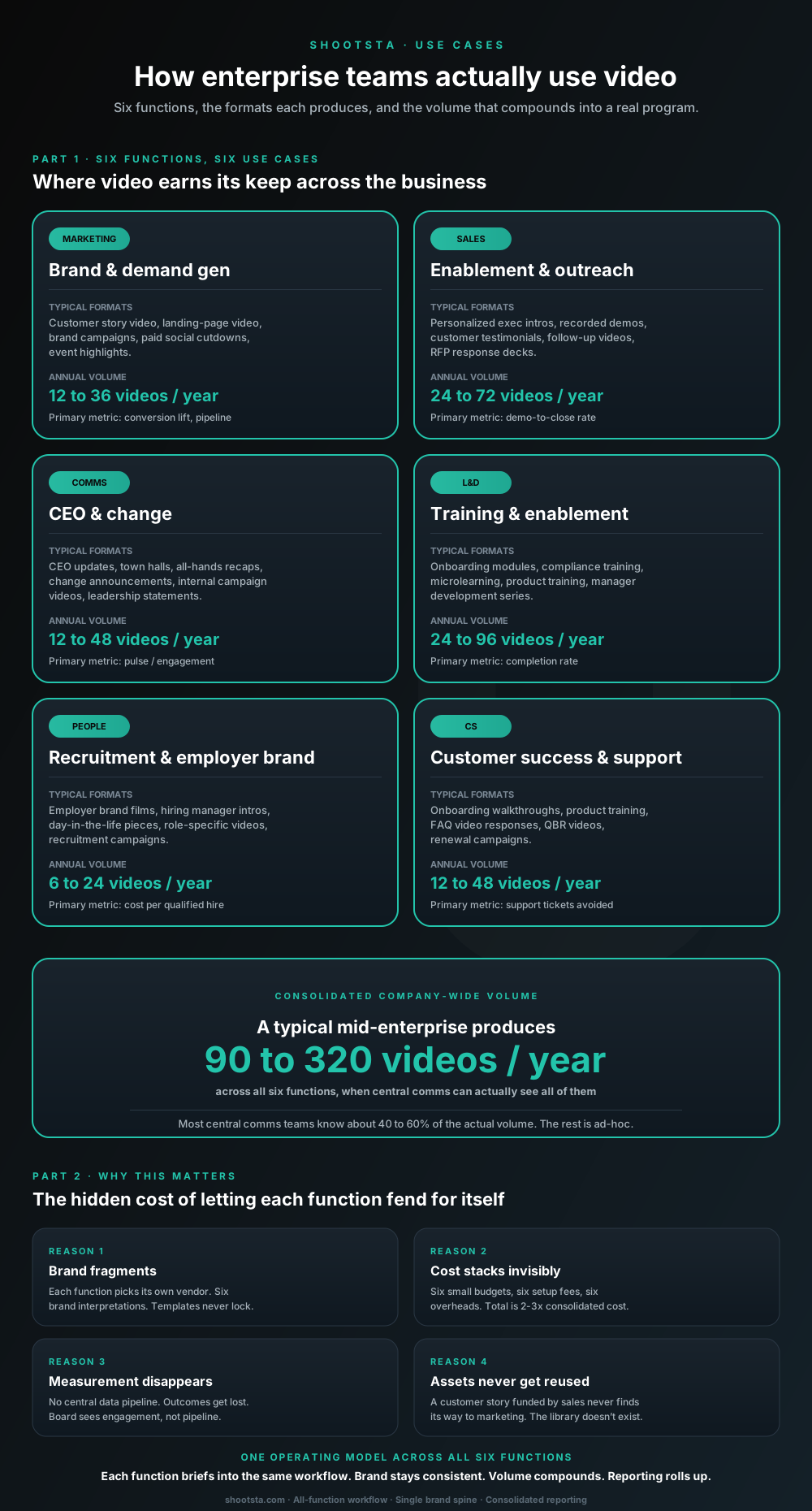
How enterprise teams actually use video
Most central comms teams know about 40 to 60% of the video volume their business produces. Marketing, sales, L&D, comms, recruitment and customer success all use video, often through separate vendors with separate brand setups. Here is the real footprint and the hidden cost of letting it stay fragmented.
May 25, 2026
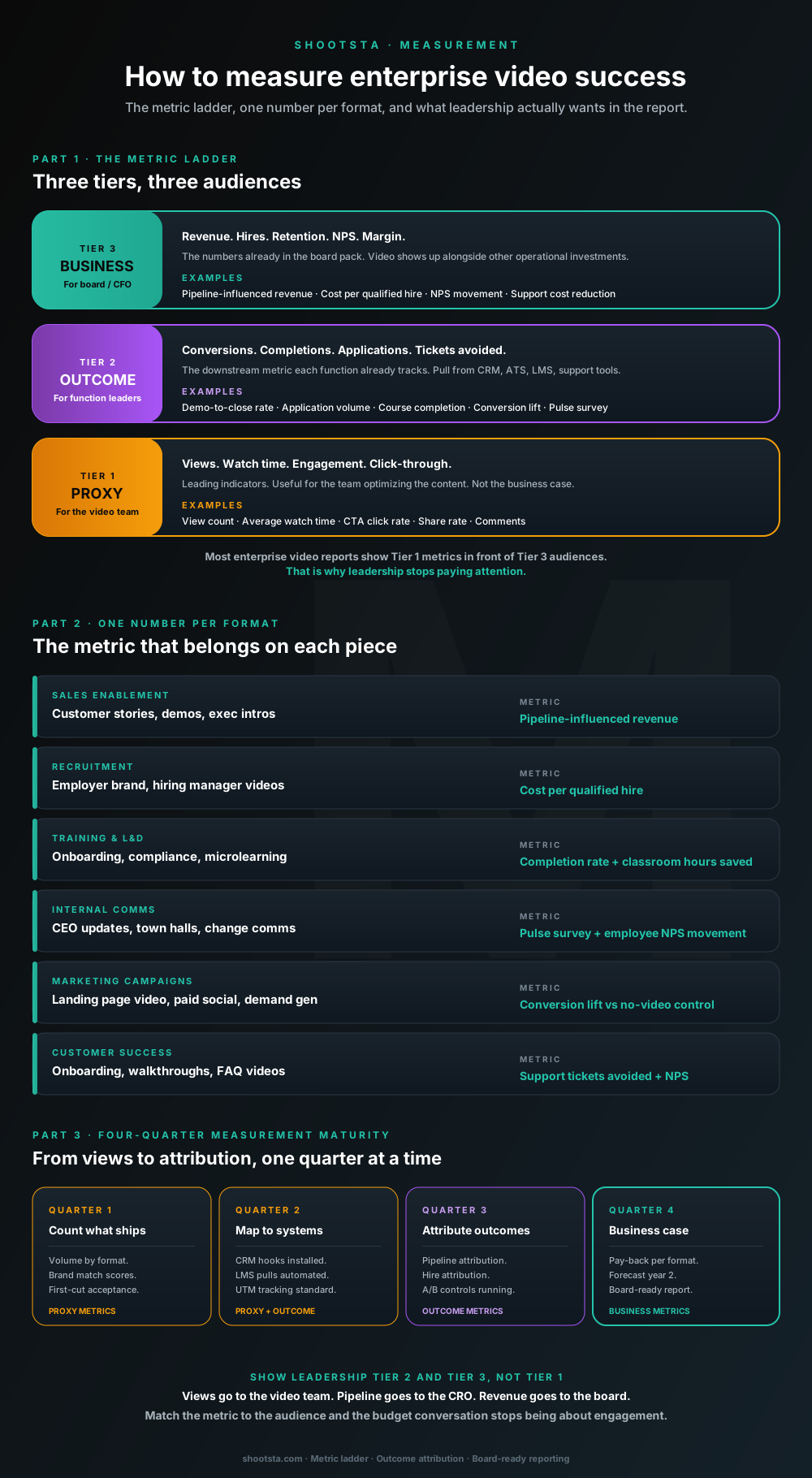
How to measure enterprise video success
Most enterprise video reports show views to people who care about pipeline. The fix is a three-tier metric ladder, one downstream outcome per format, and the four-quarter maturity curve that moves from counting views to attributing revenue.
May 24, 2026
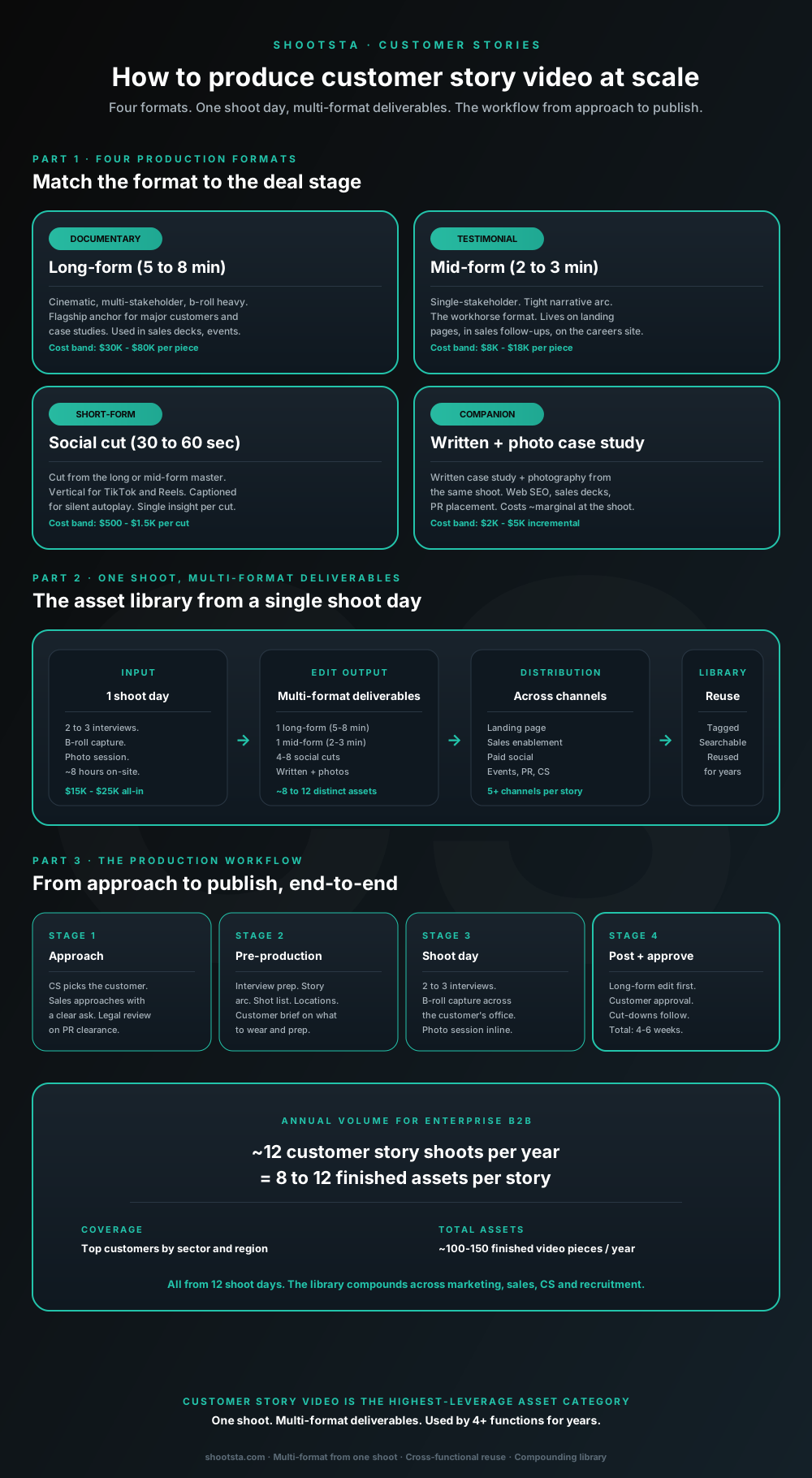
How to produce customer story video at scale
One customer story shoot day can produce many distinct deliverables that several teams use for years. Plan the shoot for multi-format assets from the start. Here is the workflow for customer story video at scale.
May 20, 2026
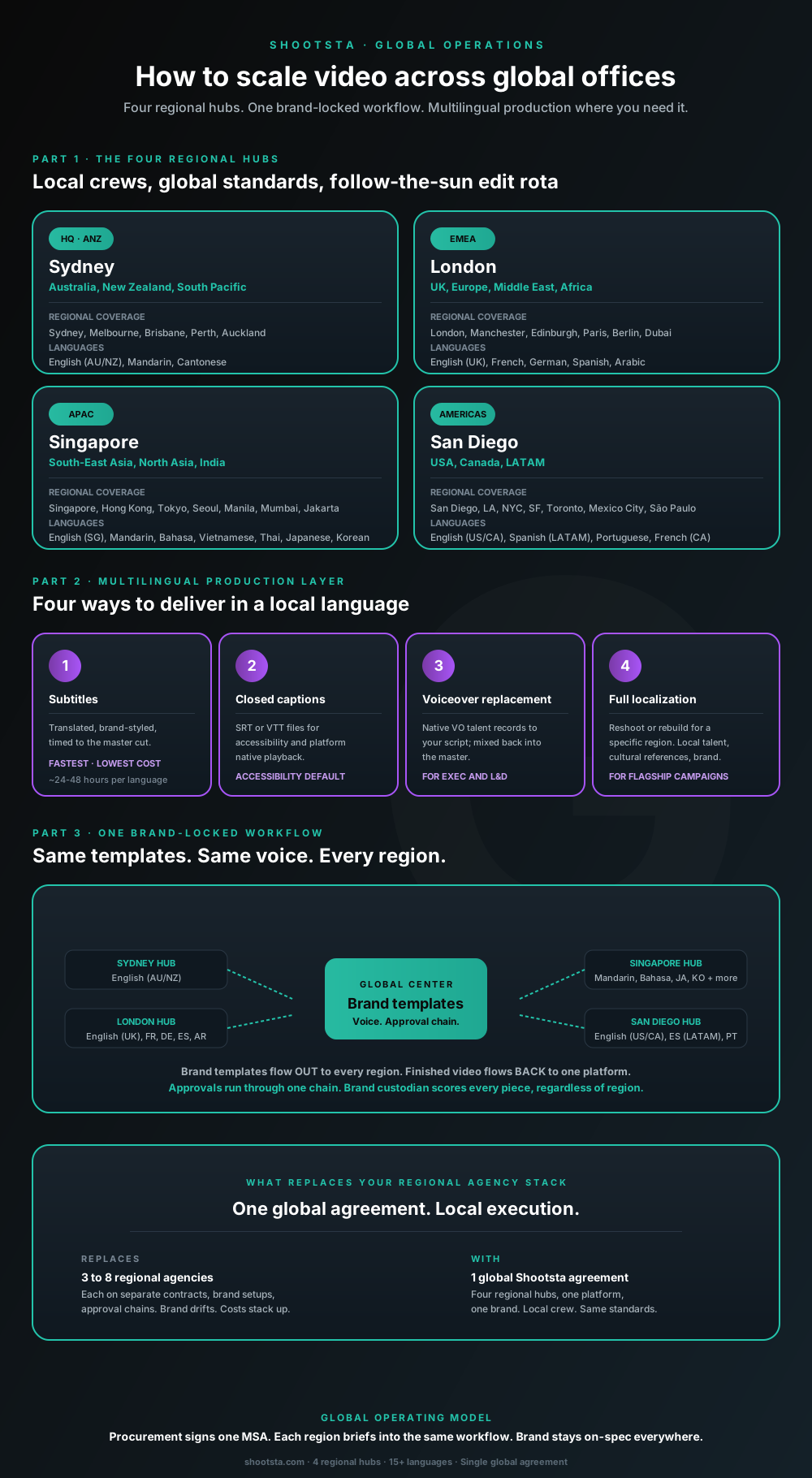
How to scale video across global offices
Global enterprises usually run video through a stack of 3 to 8 regional agencies, each with their own contract, brand setup and approval chain. The result is brand drift, procurement load, and inconsistent quality. Here is how one global agreement and four regional hubs replace it.
May 19, 2026
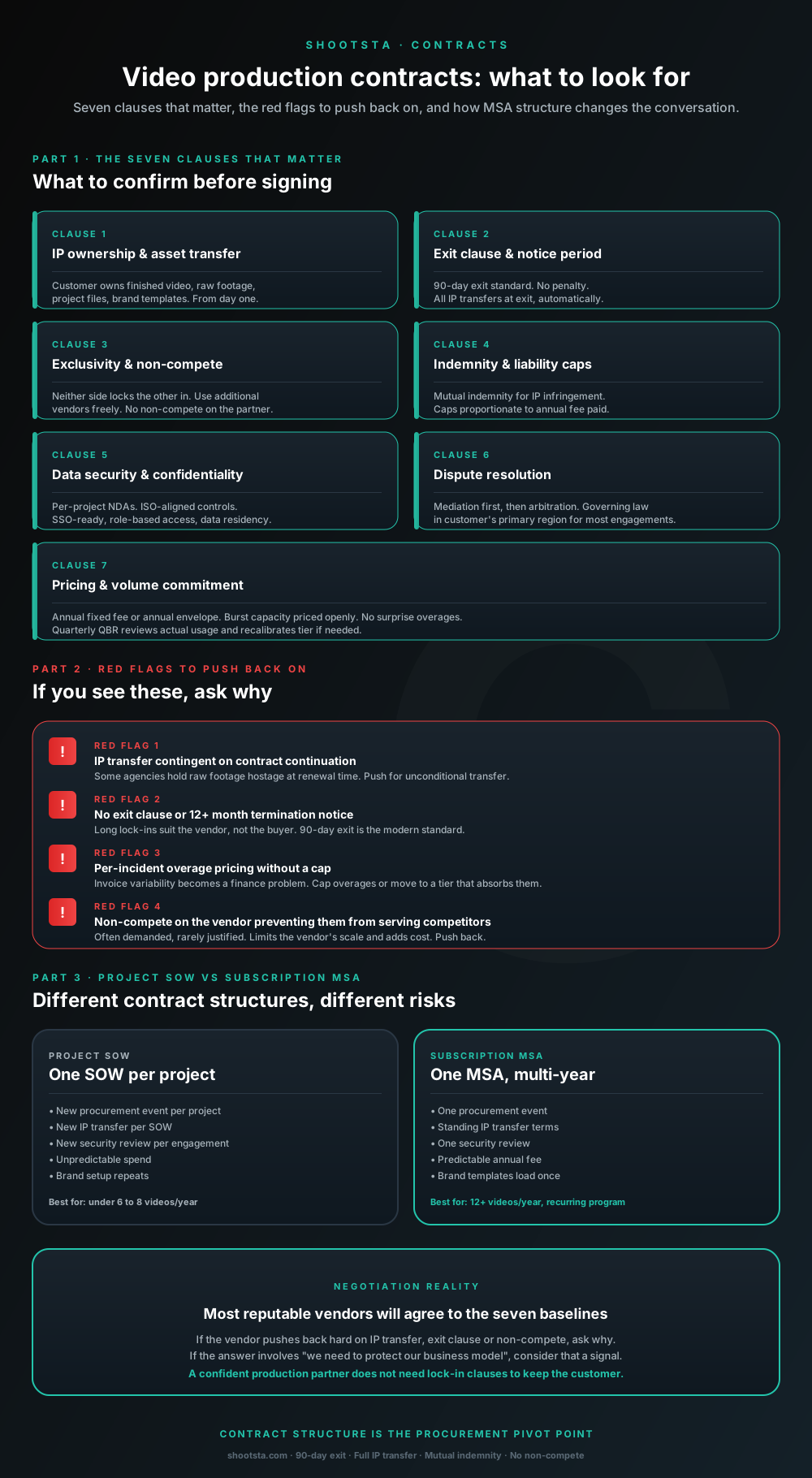
Video production contracts: what to look for
Procurement and legal often look at video production contracts last, after the strategy and budget are settled. By then the structural risks (IP transfer, exit clause, exclusivity, indemnity) are easier to fix in the contract than to argue about in renewal. Seven clauses that matter, four red flags, and how MSA structure changes the conversation.
May 18, 2026
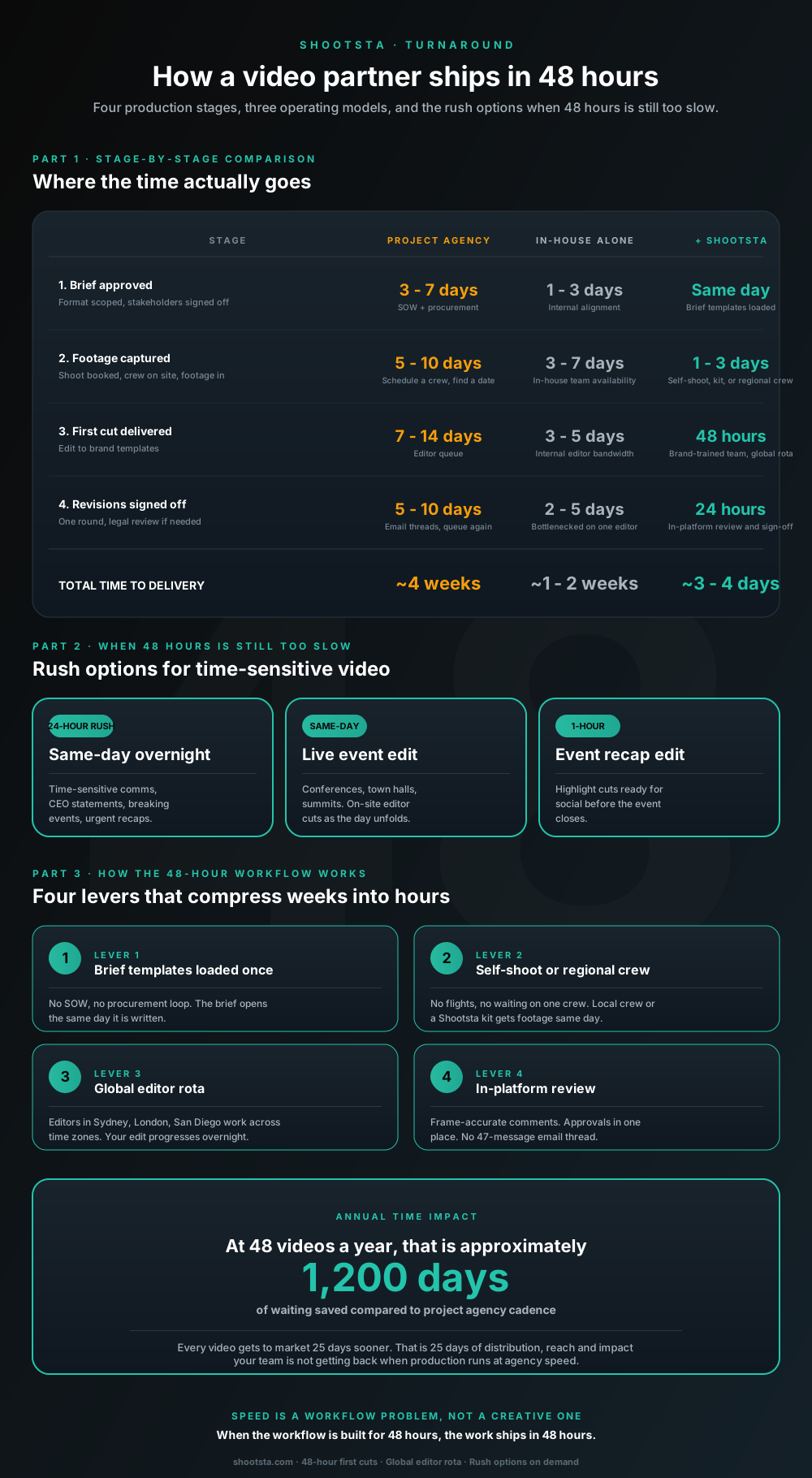
How a video partner ships in 48 hours
Project agencies need 3 to 4 weeks per video. In-house teams need 1 to 2 weeks. A subscription production partner ships first cuts in 48 hours. The difference is workflow, not creative talent. Here is how the 48-hour model works, where rush options take over, and what it adds up to across a year.
May 17, 2026
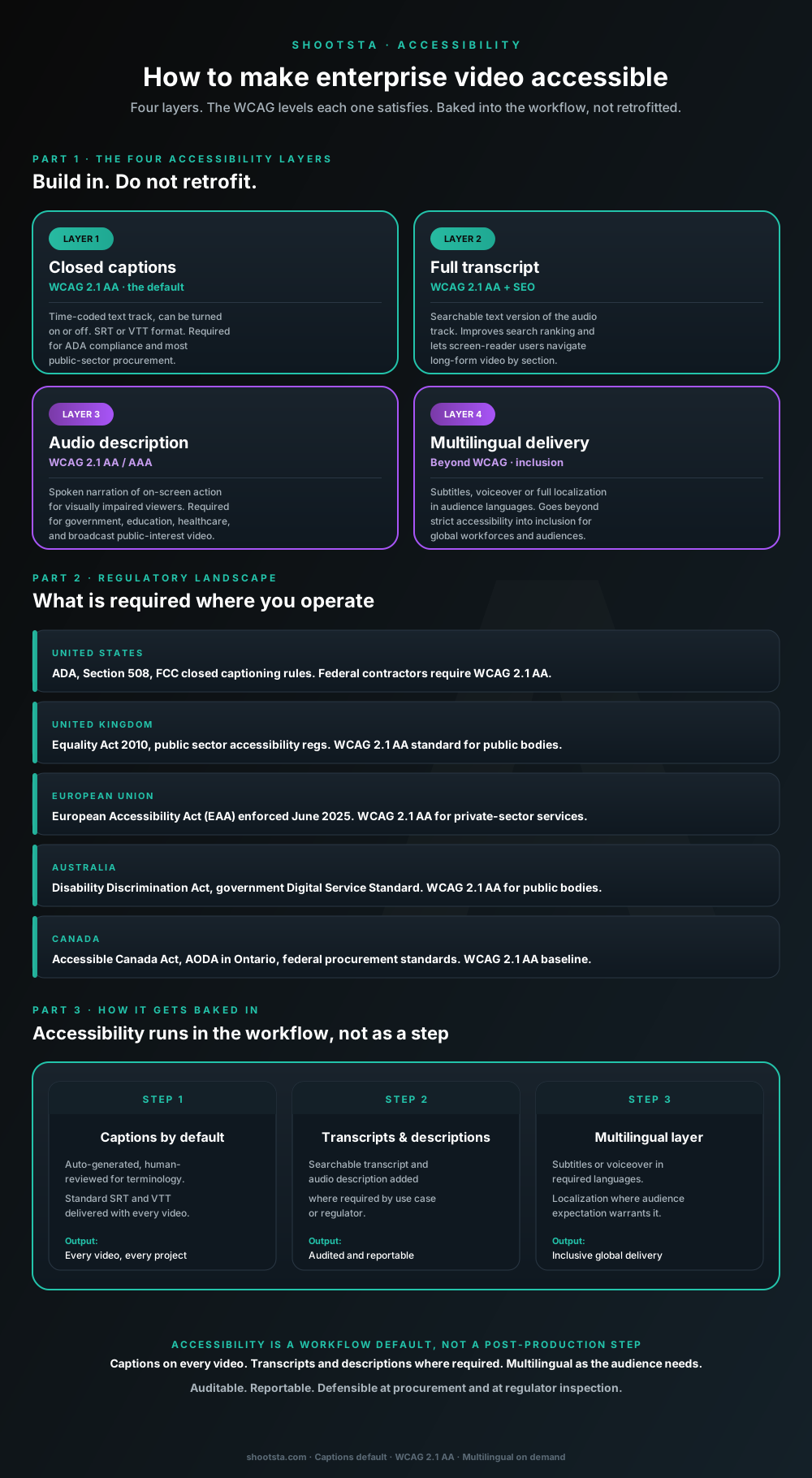
How to make enterprise video accessible
Accessibility is now a procurement default, not an after-thought. Four layers (captions, transcripts, audio description, multilingual delivery) map to the WCAG levels regulators require across the US, UK, EU, Australia and Canada. Here is the workflow that builds it in rather than retrofits it.
May 16, 2026
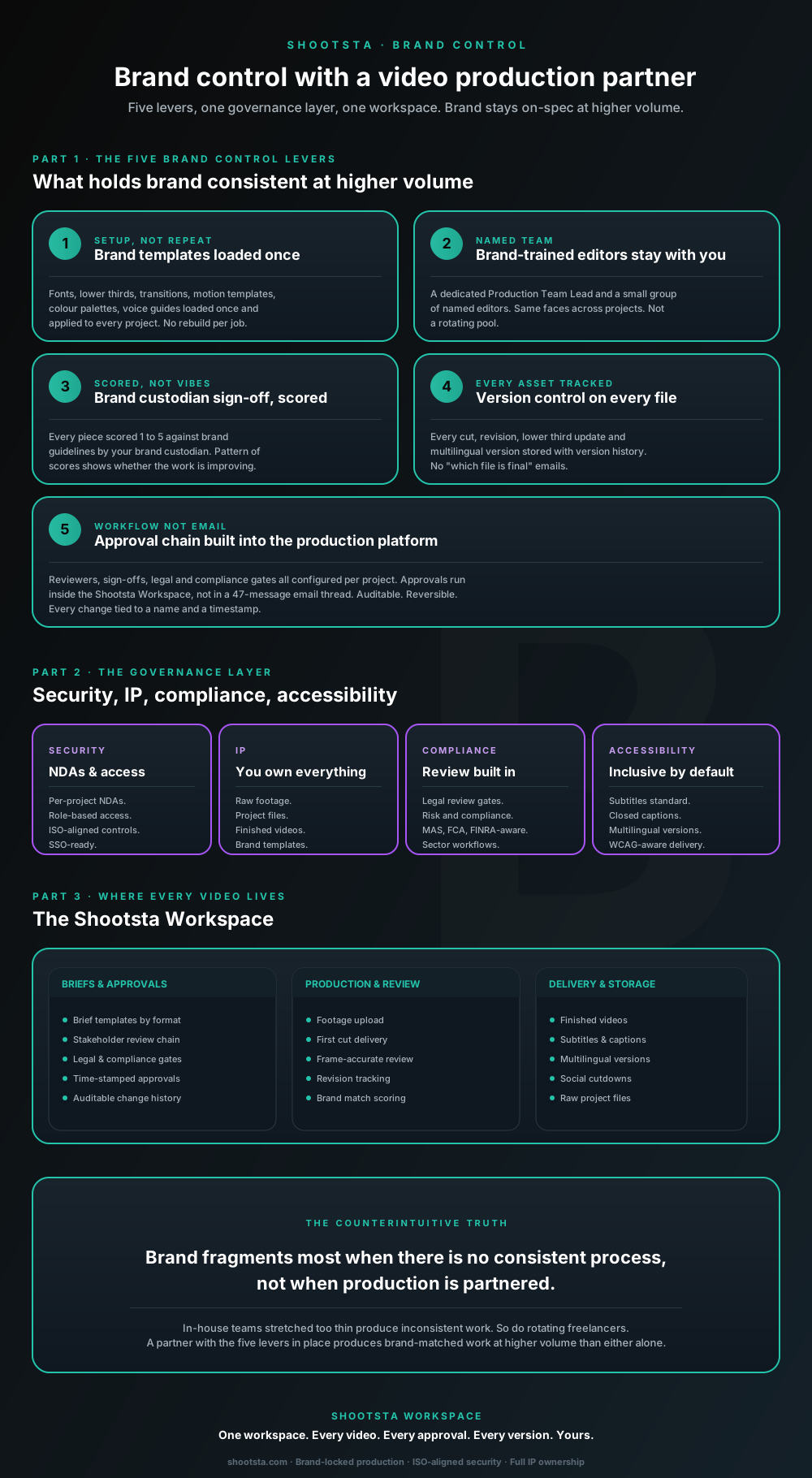
Brand control with a video production partner
The worry about brand drift when you work with a production partner is reasonable. Brand fragments most when there is no consistent process. Here are the five levers, the governance layer and the workspace that keep brand on-spec at higher volume.
May 15, 2026
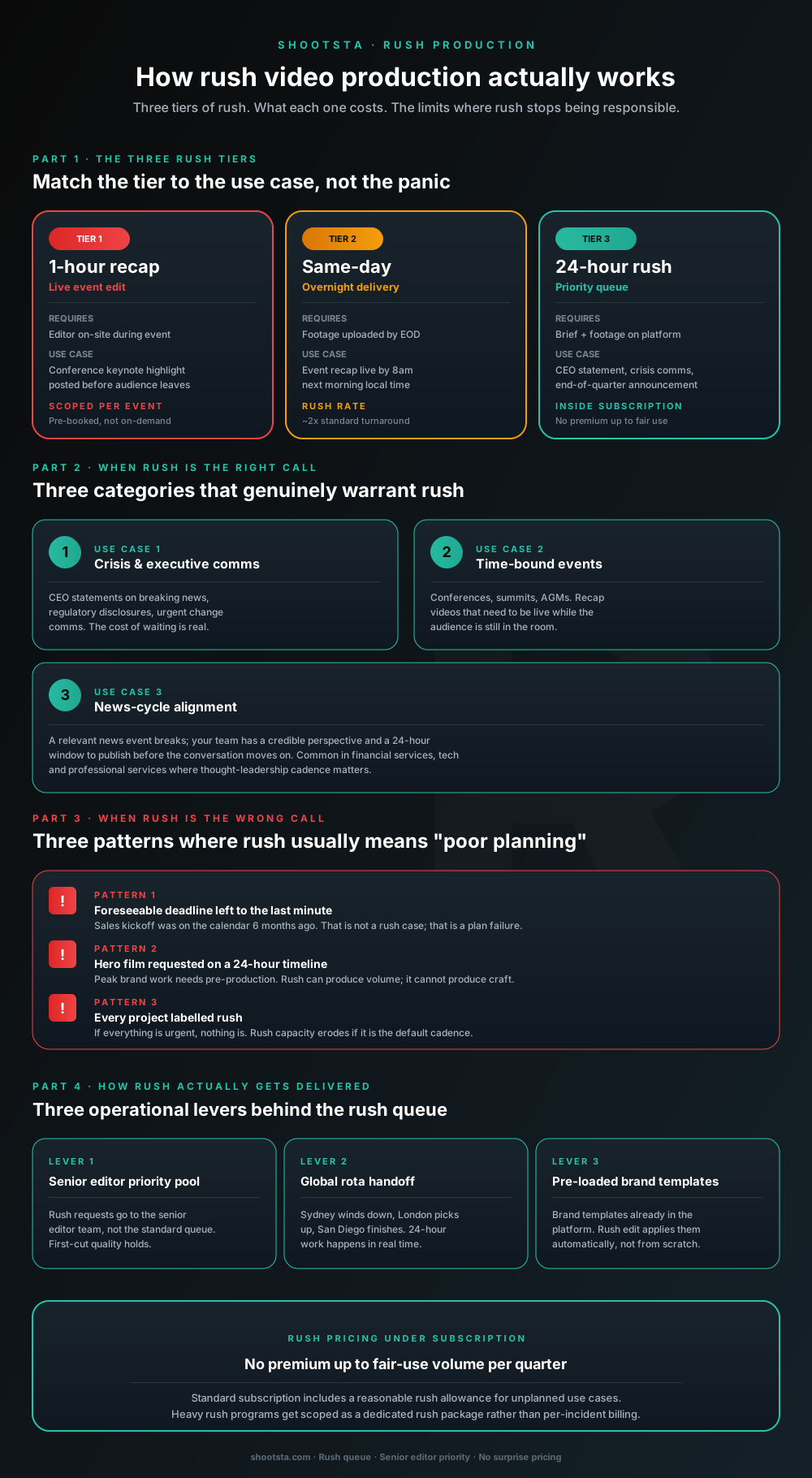
How rush video production actually works
Three rush tiers - 1-hour event recap, same-day overnight, and 24-hour rush. Each has a different operating cost and a different fit. Three categories of work justify rush; three patterns mean it is the wrong call. Here is how the rush queue works inside an enterprise subscription.
May 14, 2026
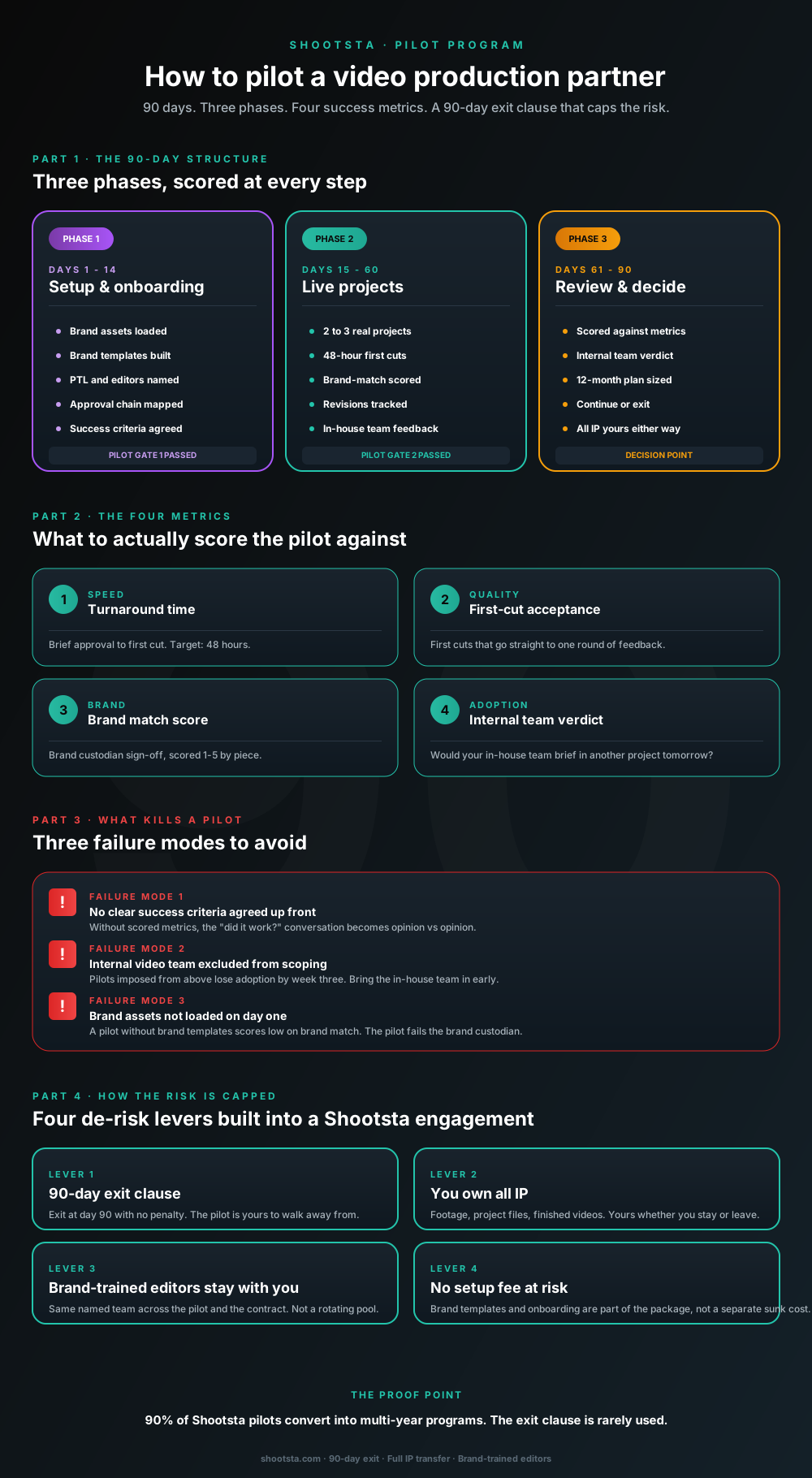
How to pilot a video production partner
Most enterprise teams want to test a video production partner before locking into a 12-month agreement. A well-structured 90-day pilot with scored success metrics, a written exit clause, and full IP ownership caps the risk. Here is the structure that works.
May 13, 2026
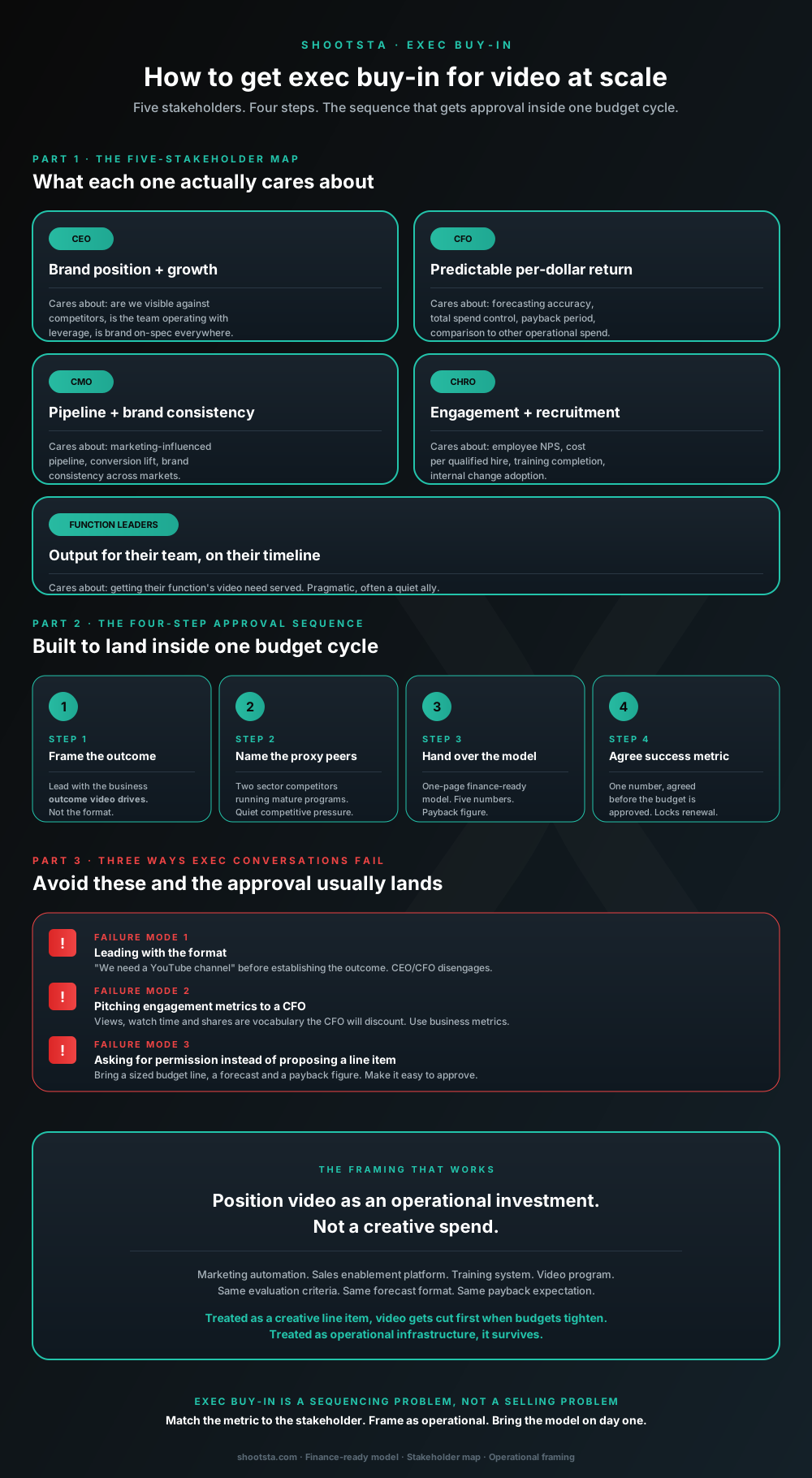
How to get exec buy-in for video at scale
Exec buy-in for a video program is a sequencing problem more than a selling problem. Five stakeholders, each with a different concern. Lead with the one that opens the gate. Here is the order that gets approval inside one budget cycle.
May 12, 2026
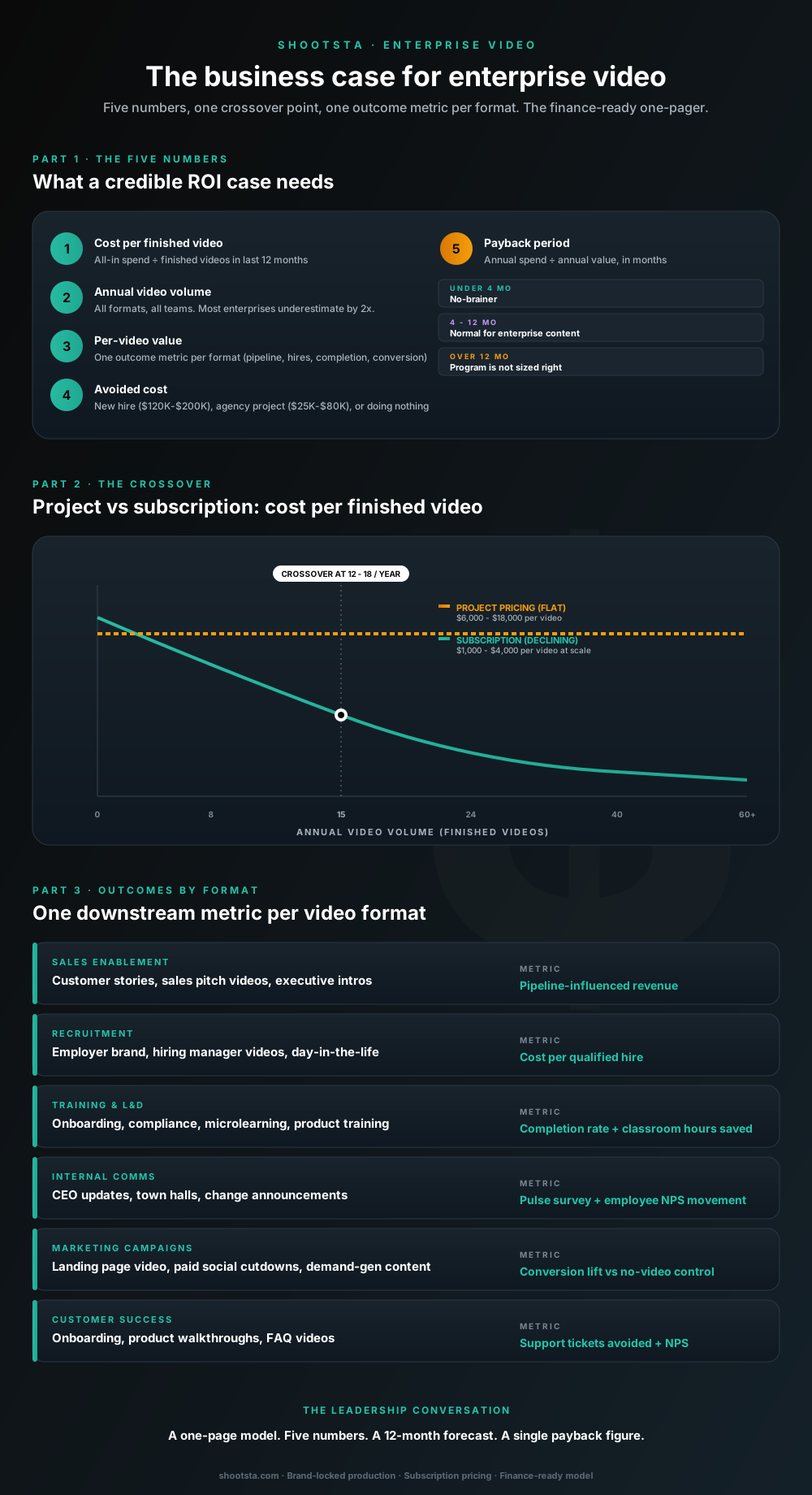
The business case for enterprise video
Most video ROI conversations fail because the proxy metrics (views, watch time, engagement) do not connect to a number leadership cares about. Five numbers fix that, and one crossover point decides whether project or subscription pricing is right. Here is the finance-ready model.
May 11, 2026
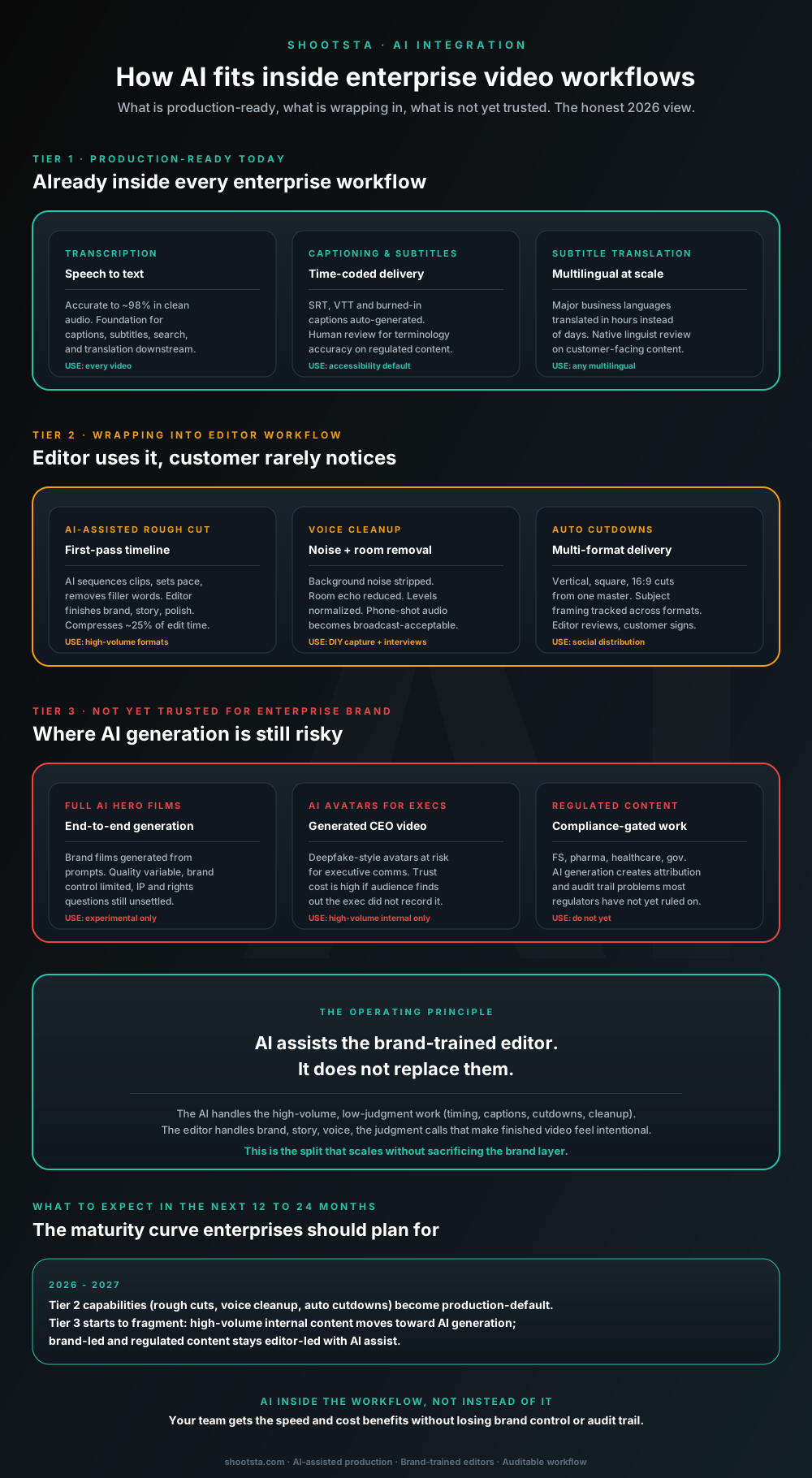
How AI fits inside enterprise video workflows
AI is already inside every credible enterprise video workflow. The honest 2026 view: three reliability tiers. Tier 1 is production-default (transcription, captions, translation). Tier 2 wraps into the editor workflow (rough cuts, voice cleanup, cutdowns). Tier 3 is not yet enterprise-trusted (full generation, AI avatars, regulated content).
May 10, 2026
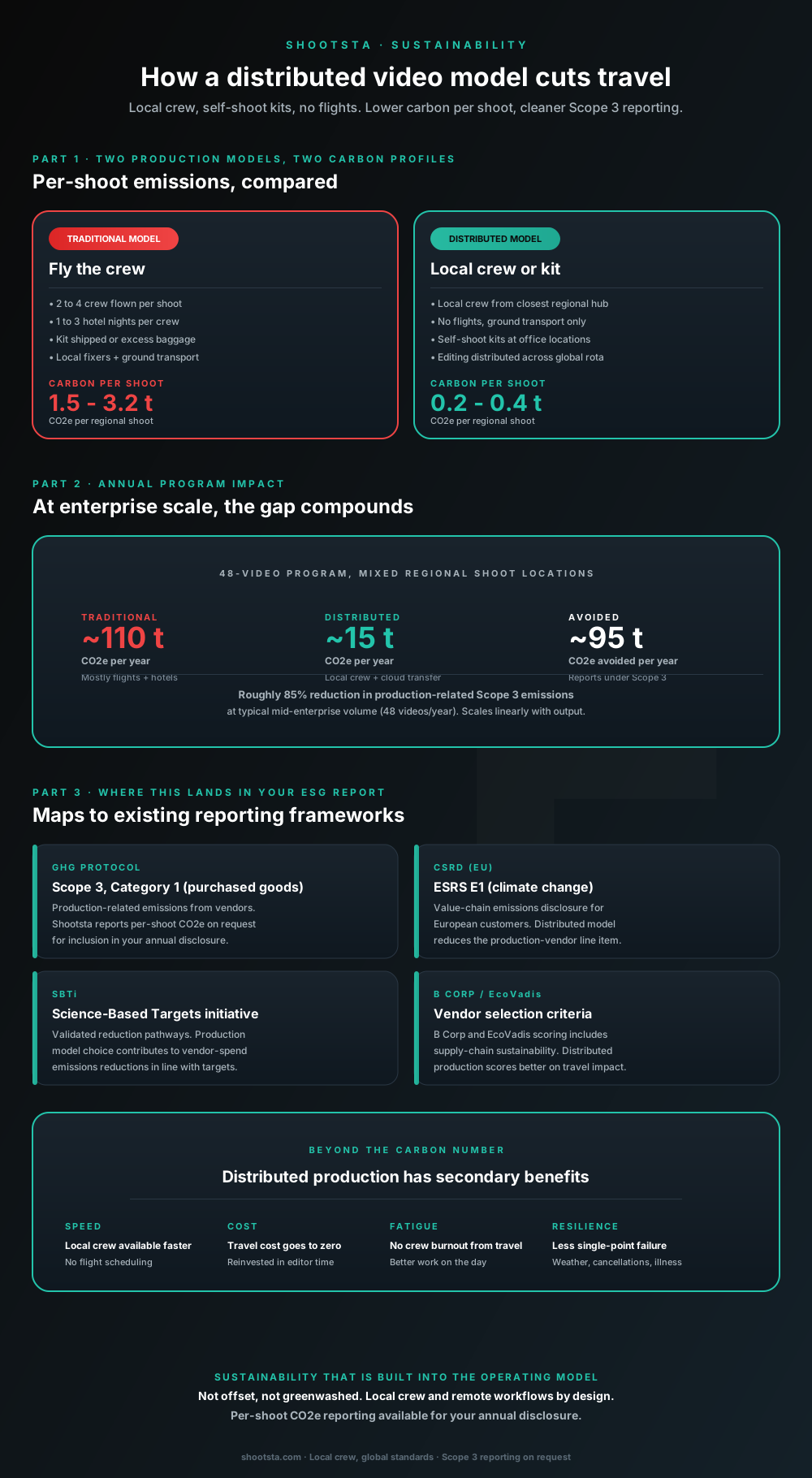
How a distributed video model cuts travel
Traditional video production flies a crew to every shoot. A distributed model uses local crew or self-shoot kits from the closest regional hub. The carbon gap per shoot is large; across a year it lands in Scope 3 reporting as 60 to 130 tonnes CO2e avoided at typical enterprise volume.
May 9, 2026
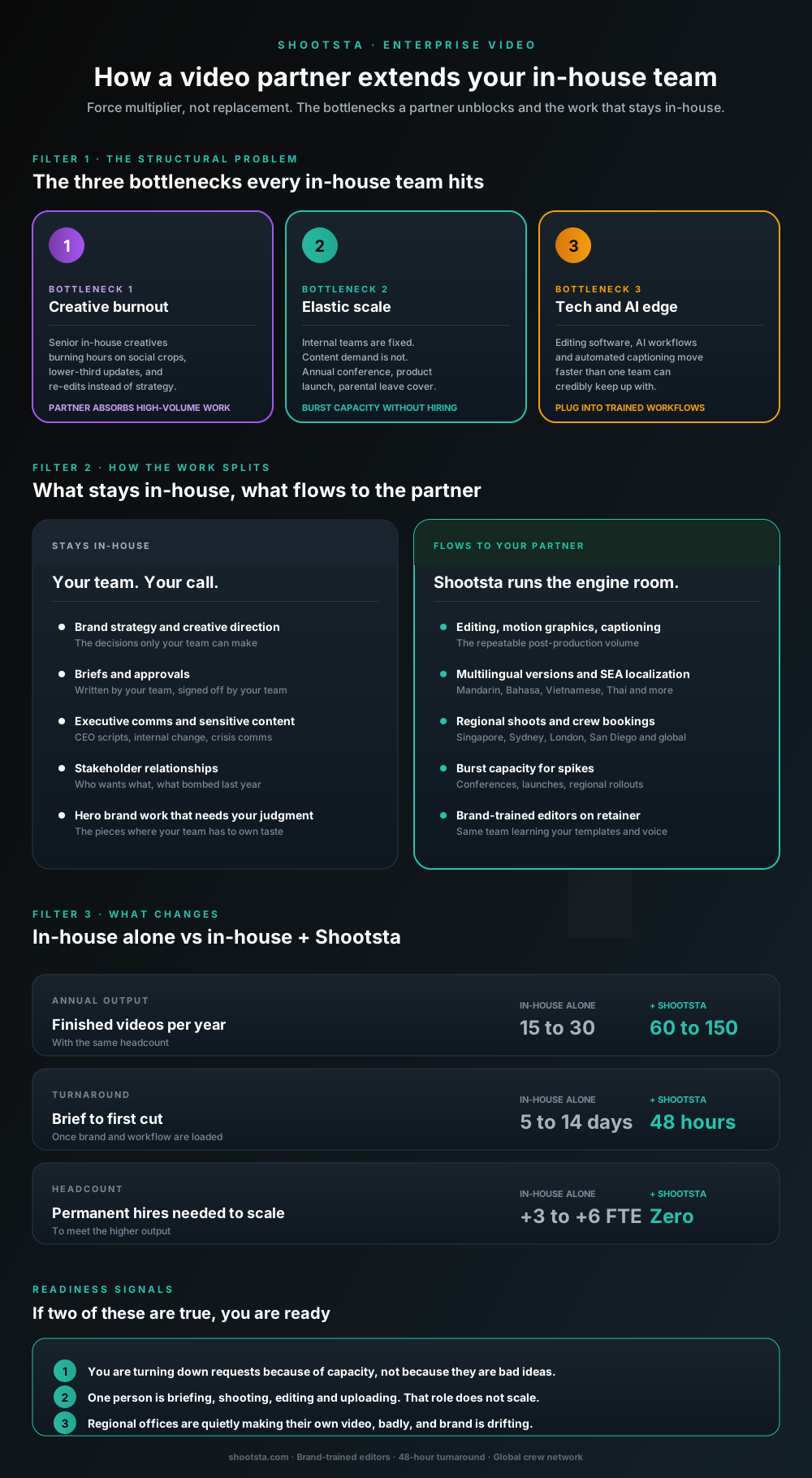
How a video partner extends your in-house team
Most enterprise comms and marketing leaders already have an in-house video team. A partner is not a replacement, it is a force multiplier that absorbs production volume around them. Here is how the work splits, the three bottlenecks every internal team hits, and the signals that say you are ready.
May 8, 2026
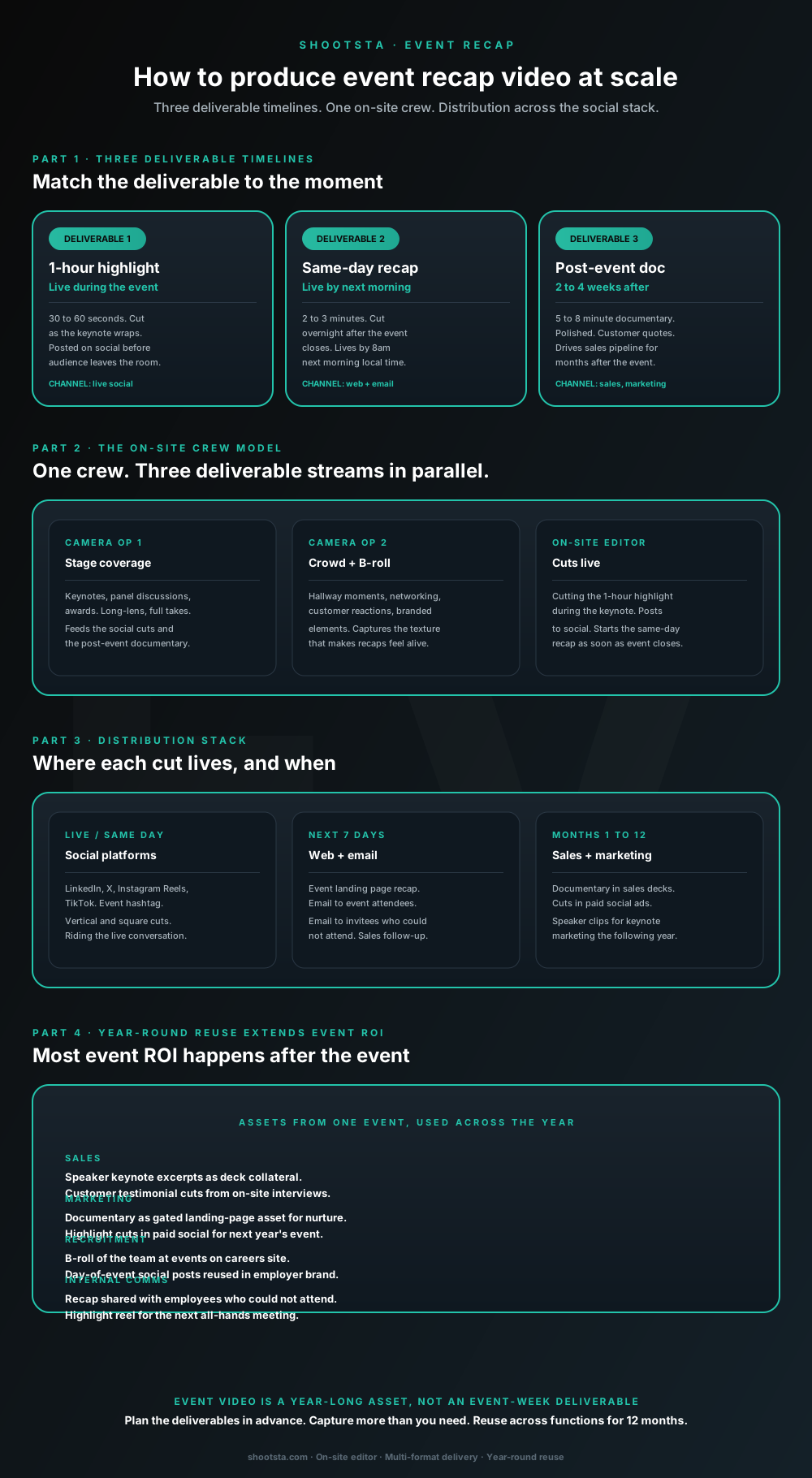
How to produce event recap video at scale
Most enterprise event recap programs treat video as an event-week deliverable. The structural shift is treating it as a year-long asset that compounds. Three deliverable timelines from one on-site crew, captured with the post-event reuse pattern in mind, produces 10x the reach the in-person event alone delivers.
April 30, 2026
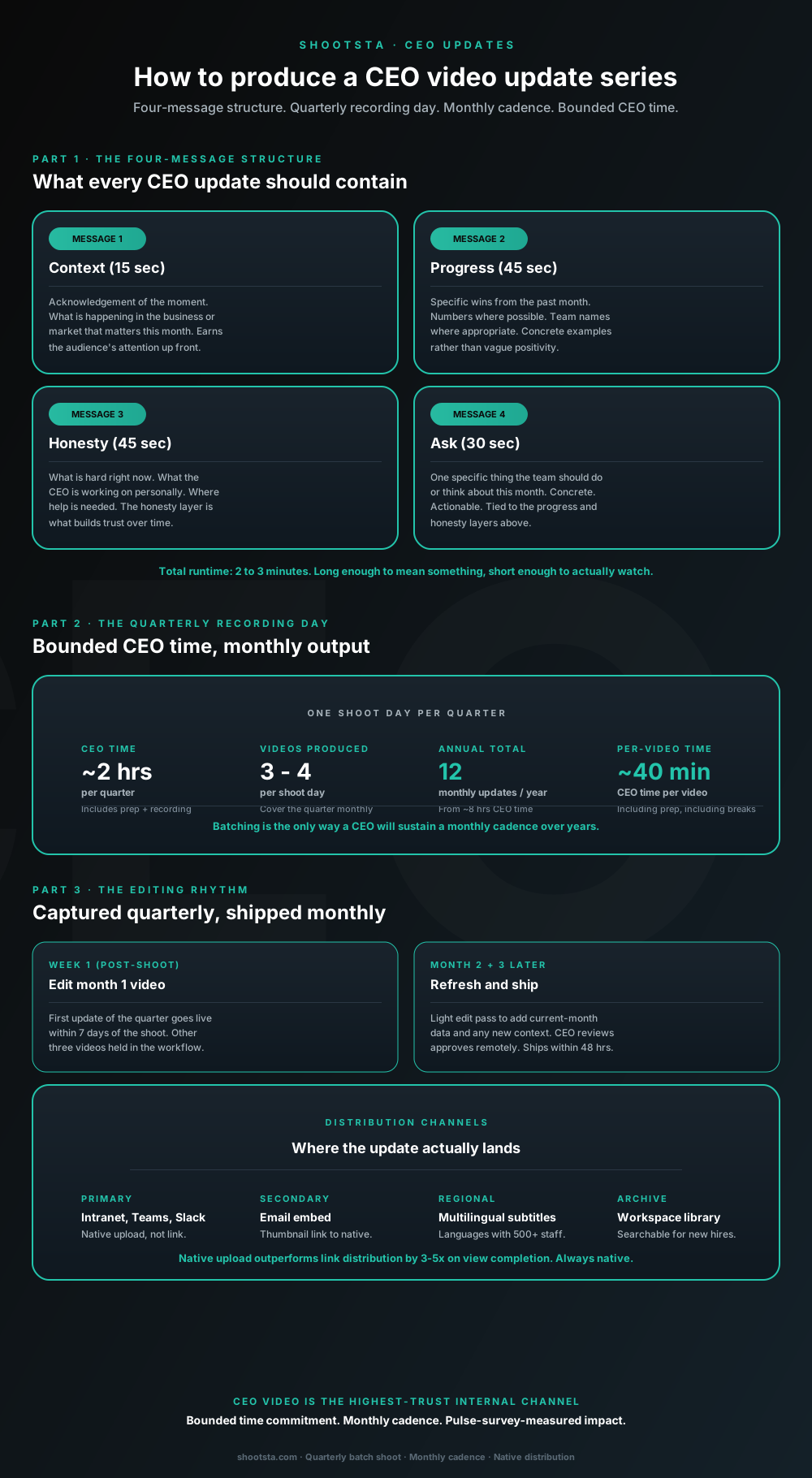
How to produce a CEO video update series
Monthly CEO video updates are the highest-trust internal channel an enterprise has and the format CEOs most often resist because they fear unbounded time commitment. The fix is structural: four-message format, quarterly batch shoot days, monthly editing rhythm, native distribution. Roughly 8 hours of CEO time produces 12 monthly updates a year.
April 29, 2026
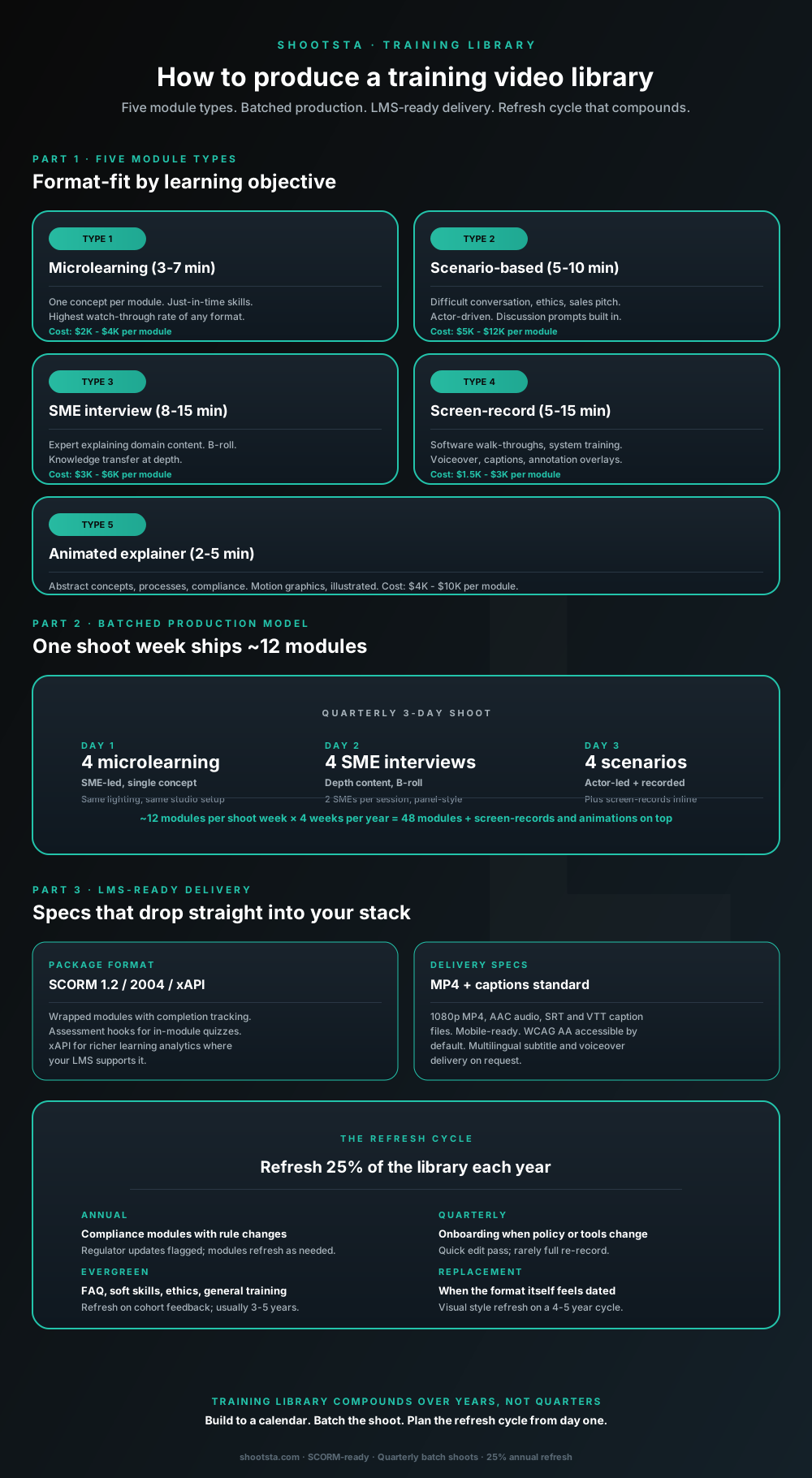
How to produce a training video library
L&D programs that try to produce training video on a per-module basis end up with high per-module cost and inconsistent library quality. The structural shift is batching production into quarterly shoot weeks producing 8 to 16 modules each. Five format types, LMS-ready delivery, and a refresh cycle that keeps the library current without rebuilding.
April 27, 2026
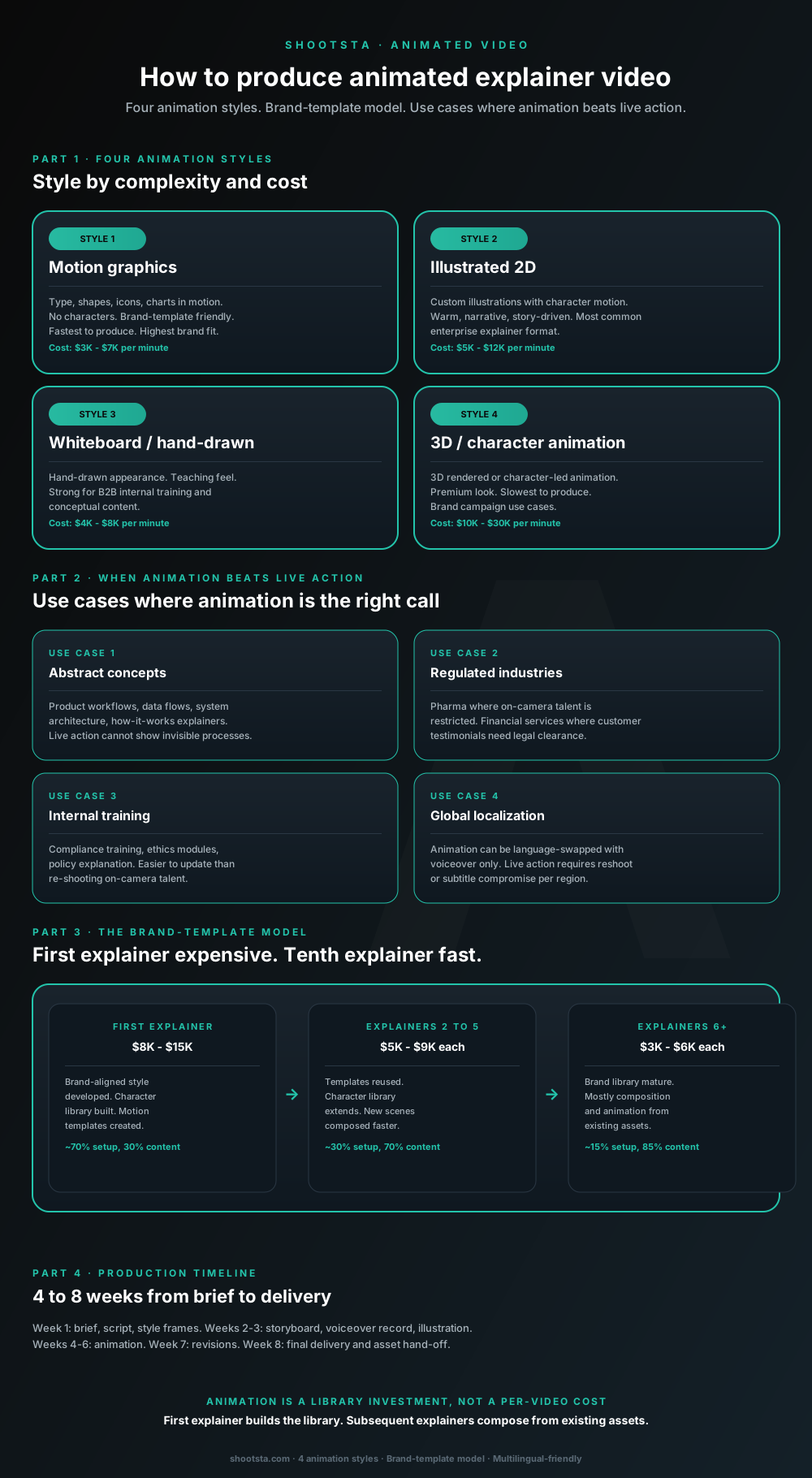
How to produce animated explainer video
Animated explainer video is the right call for abstract concepts, regulated industries, internal training and multi-region localization. The structural insight: animation is a library investment, not a per-video cost. The first explainer builds the style library; subsequent explainers compose from existing assets at 30 to 50% of the first-piece cost.
April 26, 2026
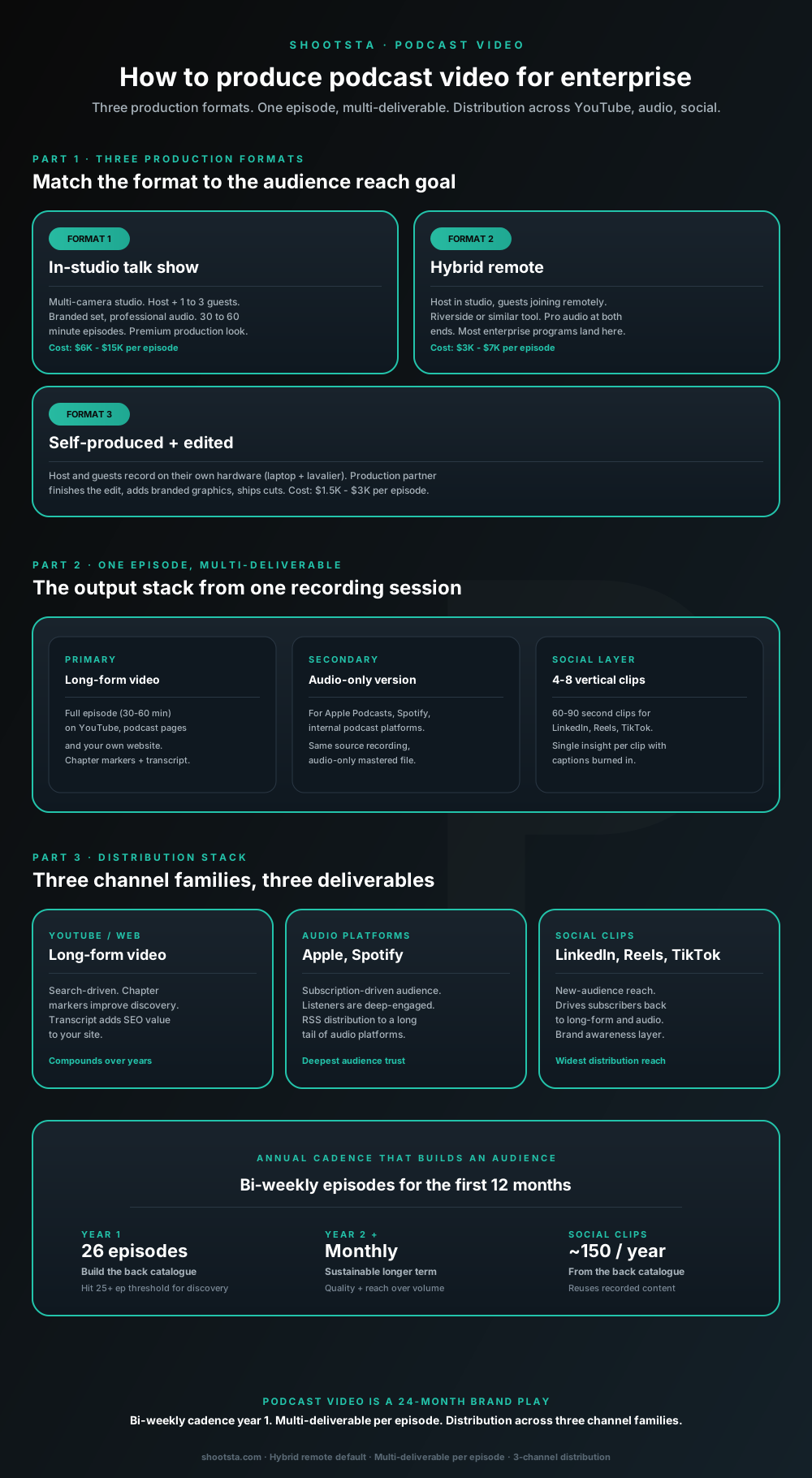
How to produce podcast video for enterprise
Podcast video sits at the intersection of thought leadership, content marketing and executive brand. Most enterprise programs that launch fail within 12 episodes because they treat each episode as a single deliverable. The structural shift is multi-deliverable per episode and three-channel distribution. Here is the production model that holds.
April 25, 2026
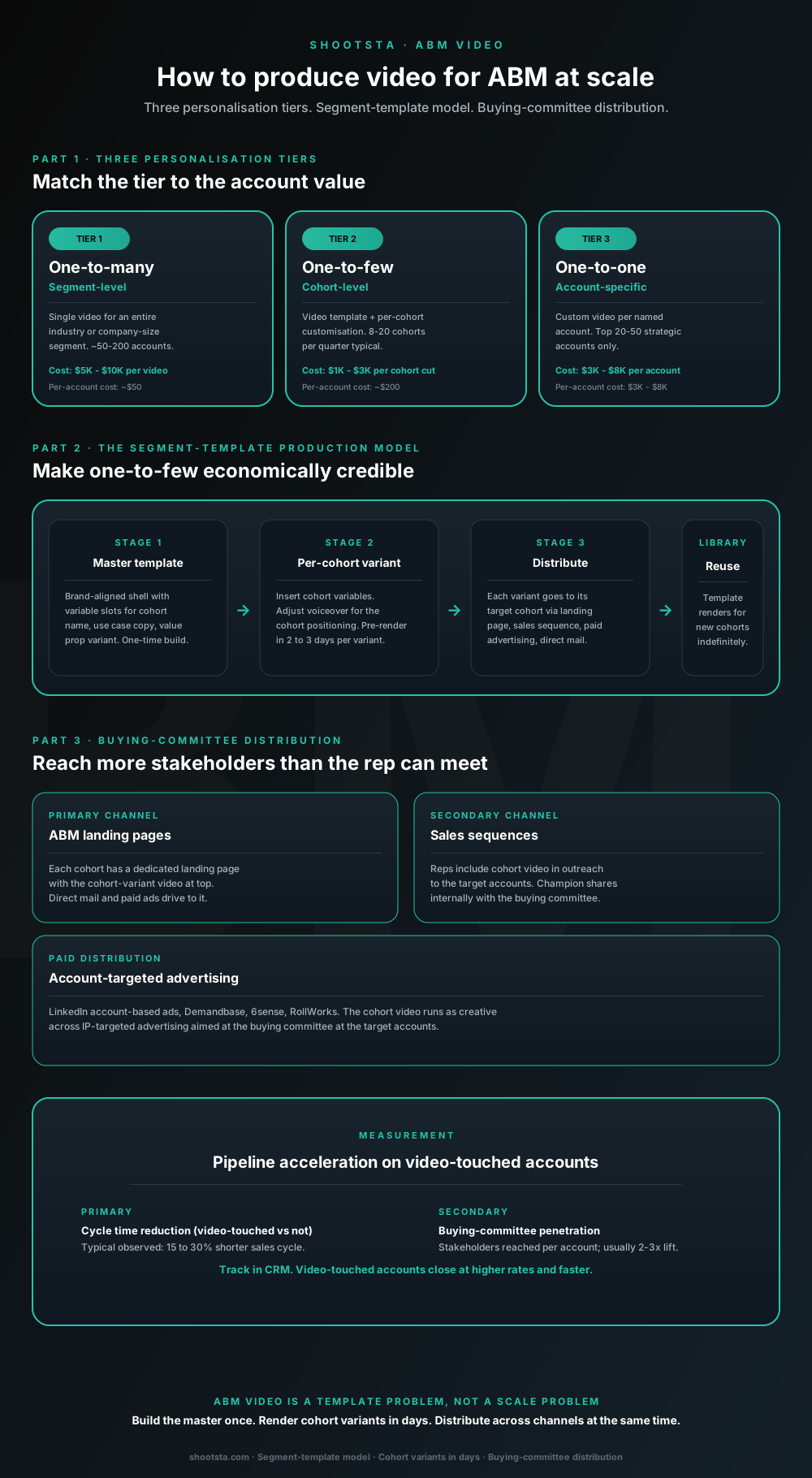
How to produce video for ABM at scale
Account-based marketing video used to mean either generic creative serving everyone or one-to-one custom video for the top 10 accounts. Neither scales. The structural shift is segment-template production for one-to-few ABM, which is where most enterprise programs live. Three personalisation tiers, the segment-template model that makes the middle tier economically viable, and the buying-committee distribution that turns video-touched accounts into faster pipeline.
April 24, 2026
How to produce video for a product launch
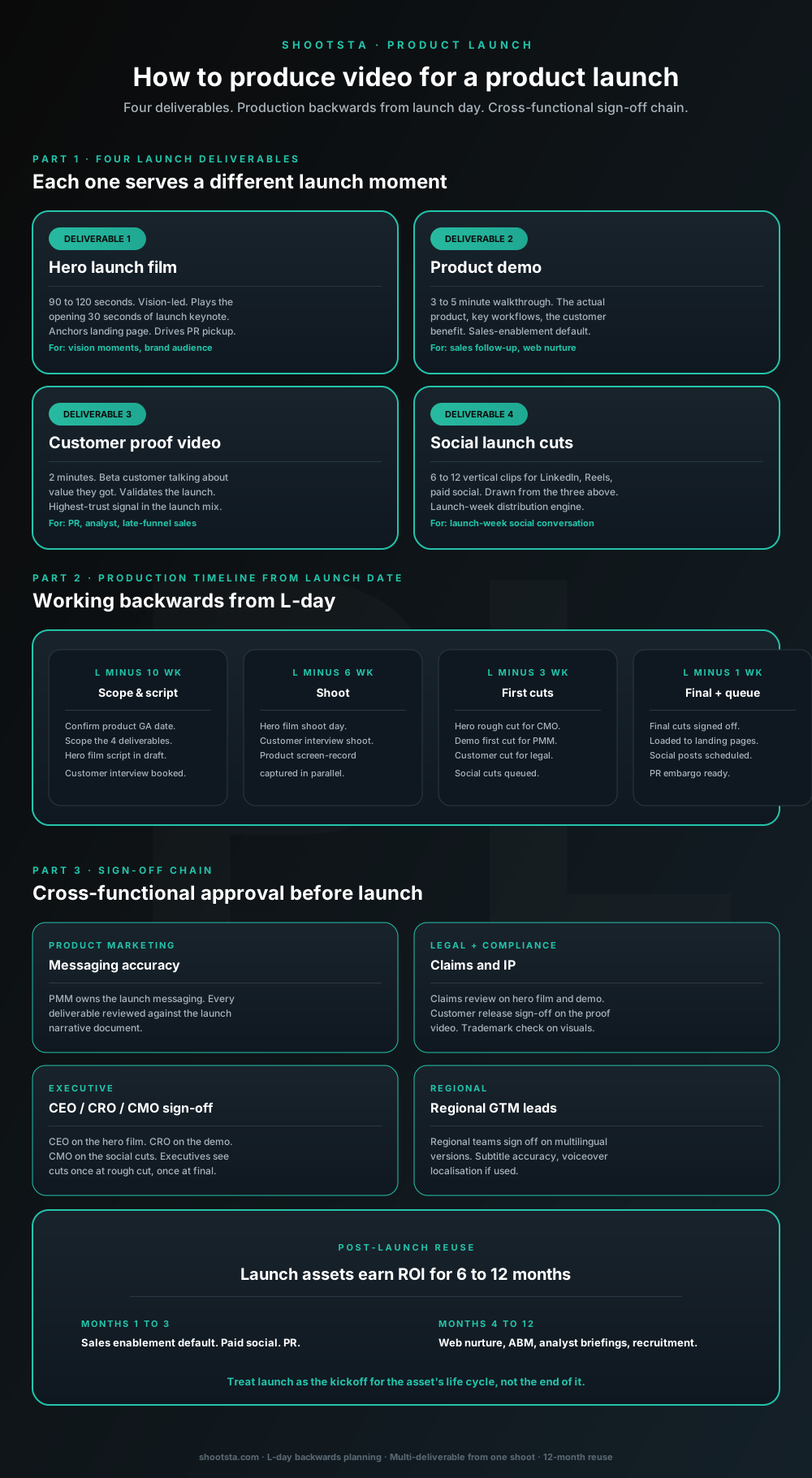
Product launch video is the highest-stakes asset most enterprise marketing teams produce in any given quarter. Four deliverables, a 10-week timeline working backwards from launch day, and a cross-functional sign-off chain that adds 1 to 2 weeks of review. The structural shift is treating launch as the kickoff of the asset's 12-month life cycle rather than as a single-day event.
April 23, 2026
How to produce video for investor relations
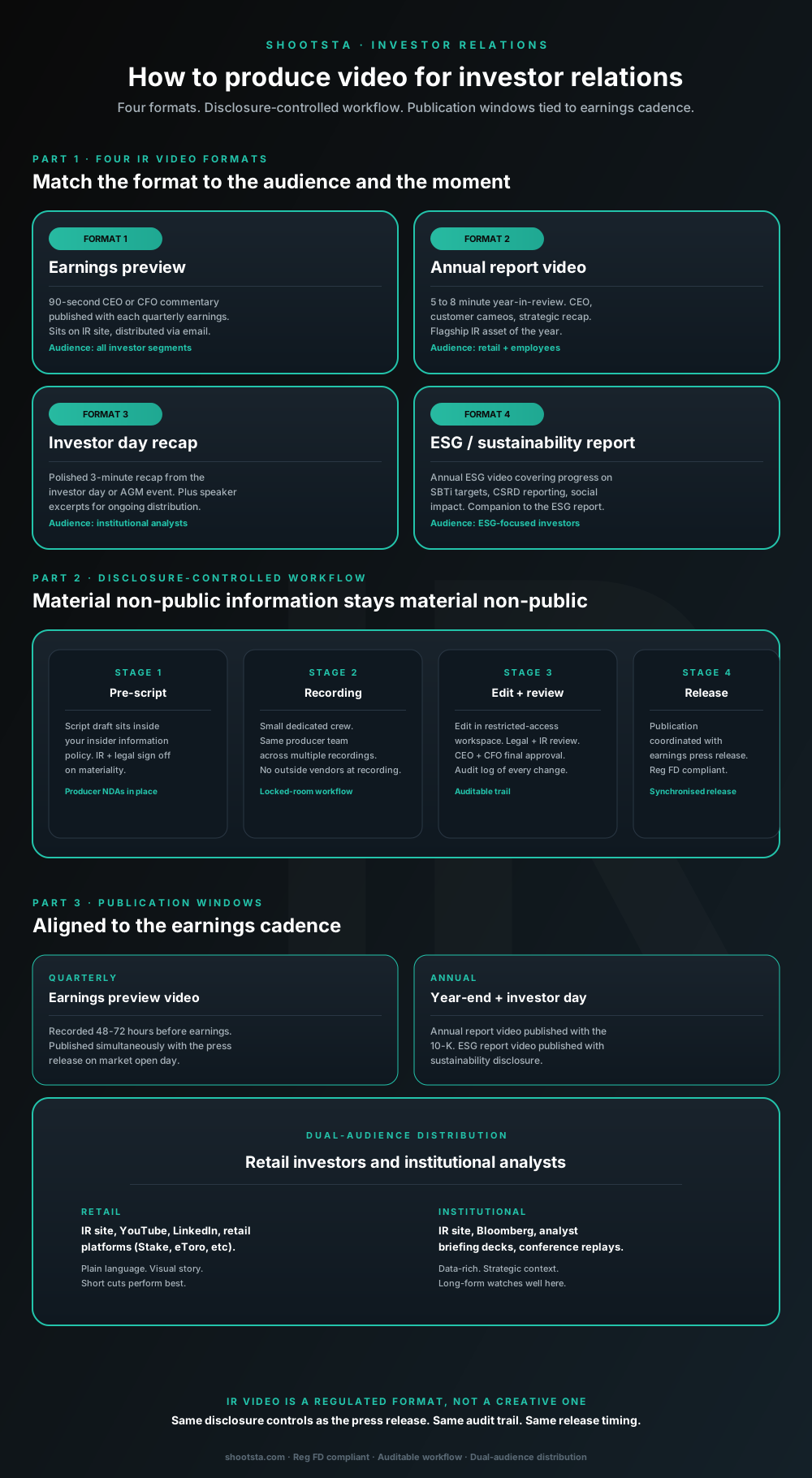
Investor relations video is a regulated format with the same disclosure controls as the press release it accompanies. Four formats, a disclosure-controlled production workflow that protects material non-public information through to release, and a dual-audience distribution model serving both retail investors and institutional analysts. Here is the production structure that does not surface material information ahead of release.
April 22, 2026
How to produce video for crisis comms
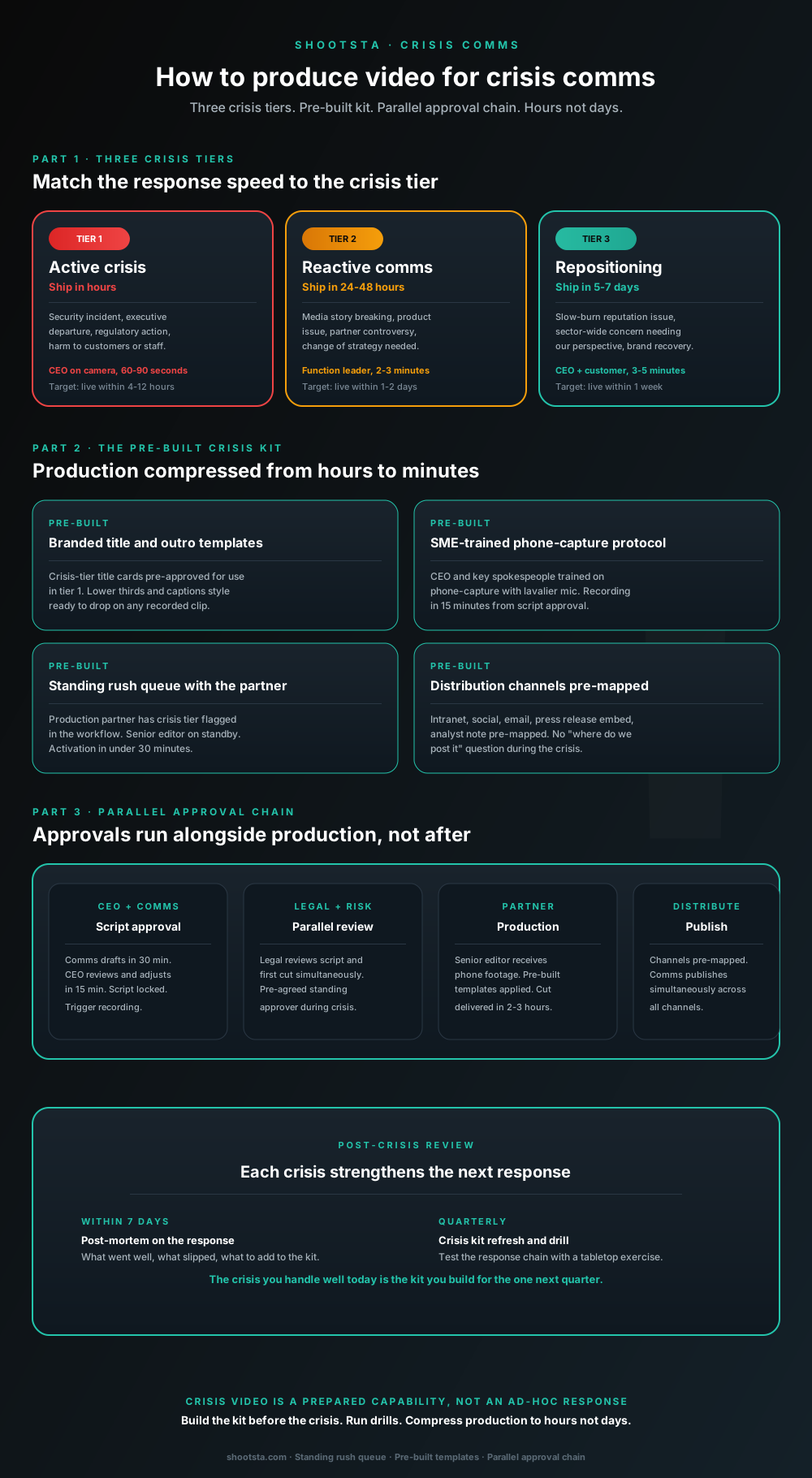
Crisis comms video is the format you build before you need it, not when the crisis lands. Three crisis tiers, a pre-built crisis kit that compresses production from 12 hours to under 2, a parallel approval chain that runs alongside production rather than gating it, and a quarterly drill that keeps the response chain warm.
April 21, 2026
How to produce thought leadership video
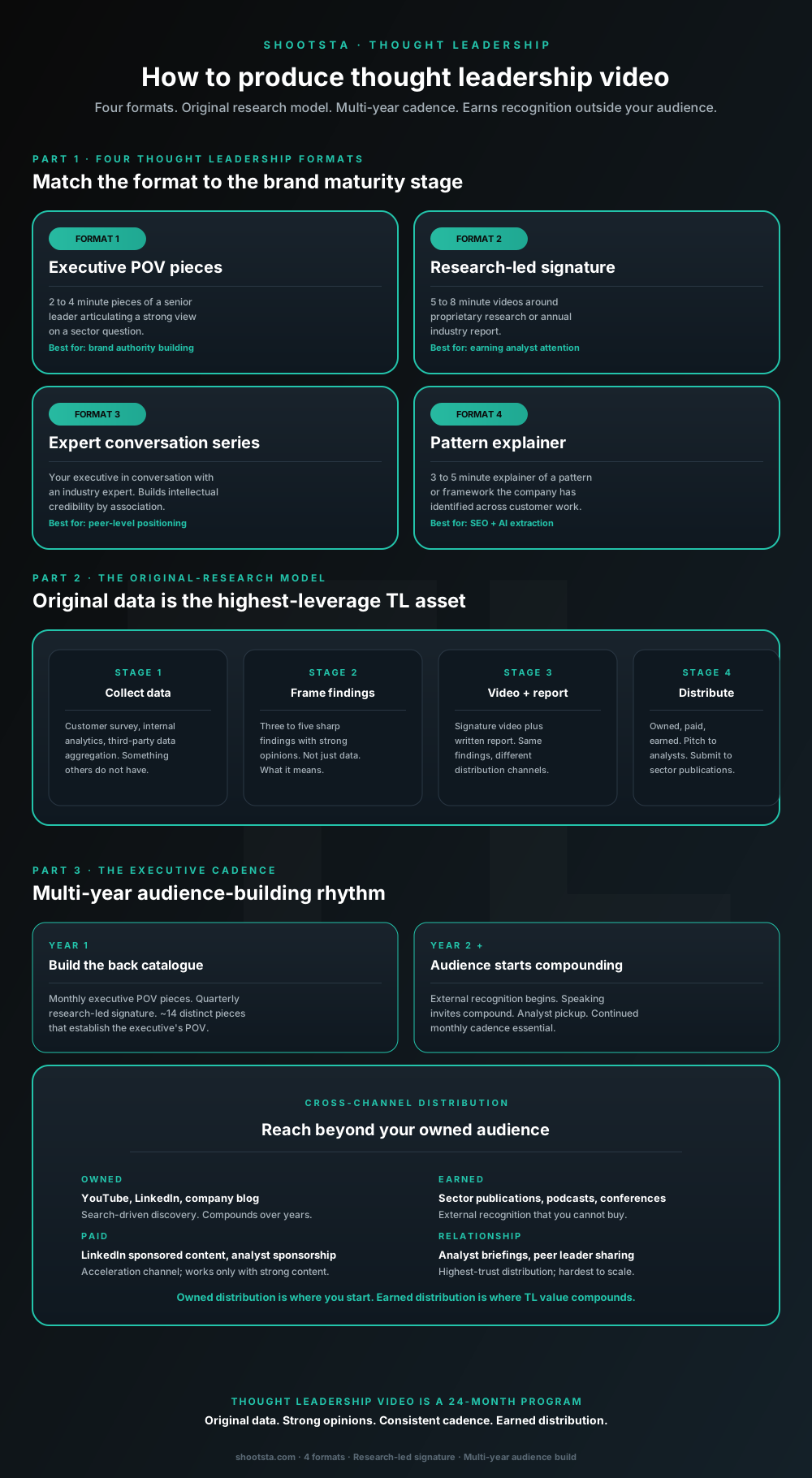
Thought leadership video builds a brand that buyers remember. Here are four formats, an original-research model for signature pieces, a cadence that earns recognition, and the distribution that puts your view in front of people your own channels do not reach.
April 20, 2026
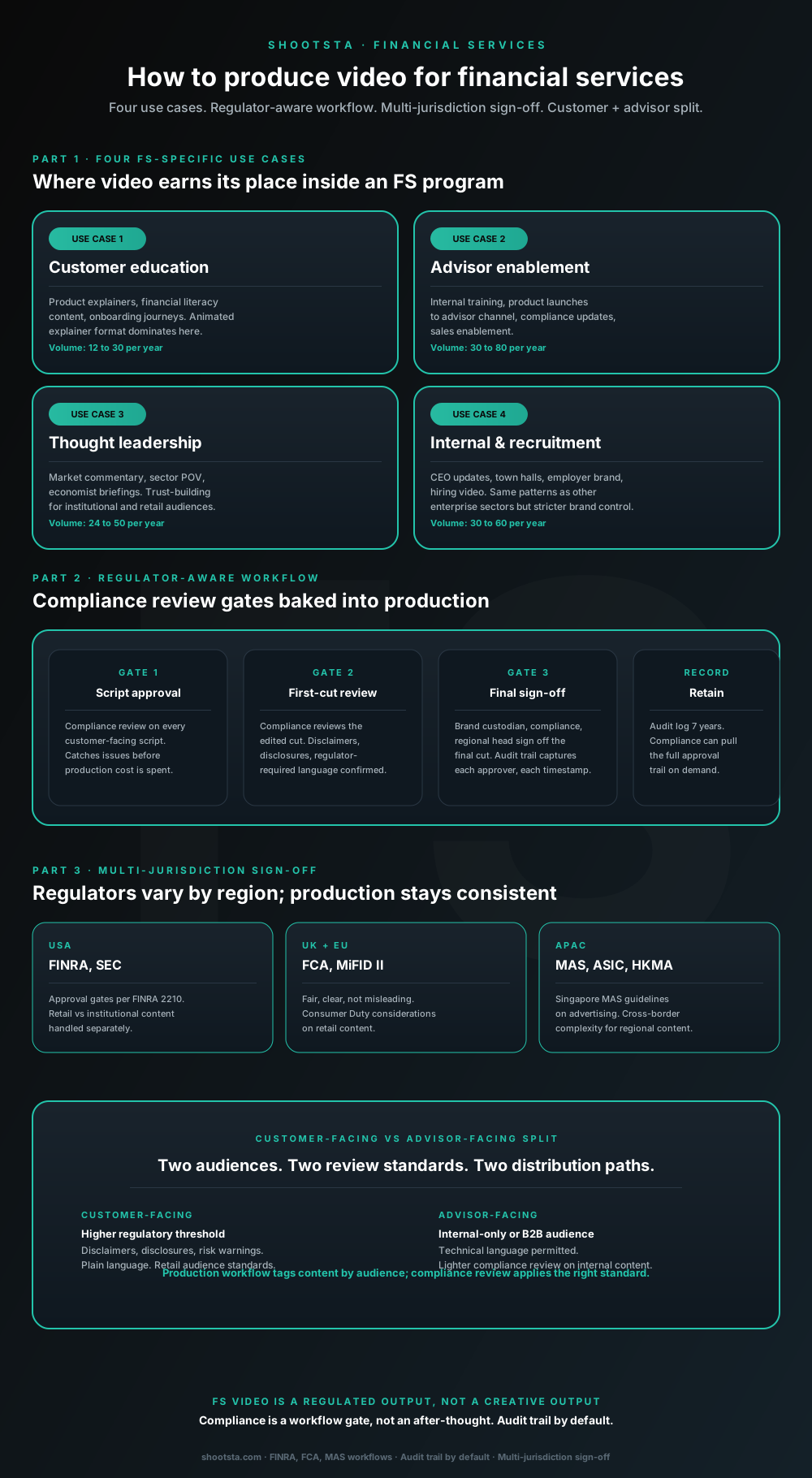
How to produce video for financial services
Financial services video sits inside a regulatory perimeter that most enterprise video partners are not built to operate inside. Four FS-specific use cases, a regulator-aware production workflow with compliance gates at script and first-cut stages, multi-jurisdiction sign-off for global firms, and the customer-versus-advisor content split that drives the program structure.
April 19, 2026
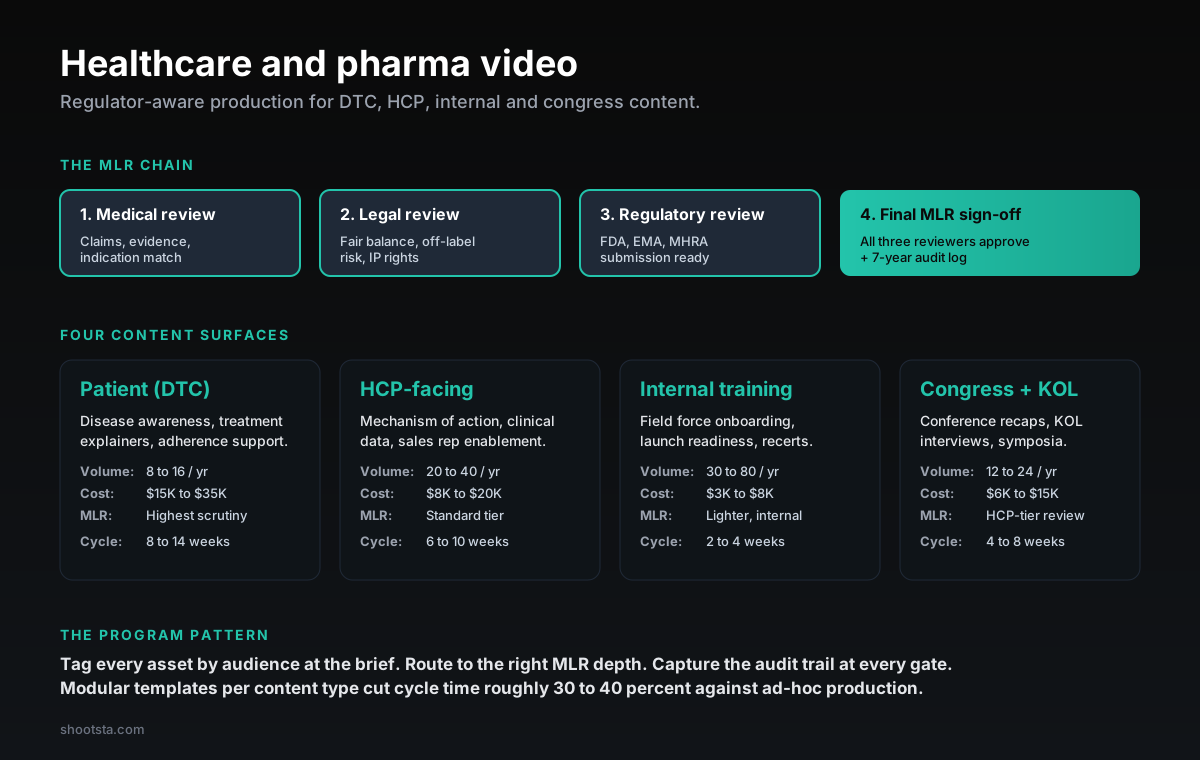
How to produce video for healthcare and pharma
Healthcare and pharma video carries the highest regulatory load of any sector. The structural difference is workflow: medical, legal and regulatory review at multiple stages, audience-tagged routing, audit trails retained for years. Four content surfaces (DTC, HCP, internal, congress), an MLR review chain that holds up at inspection, and the program pattern that protects the program from regulator action.
April 18, 2026
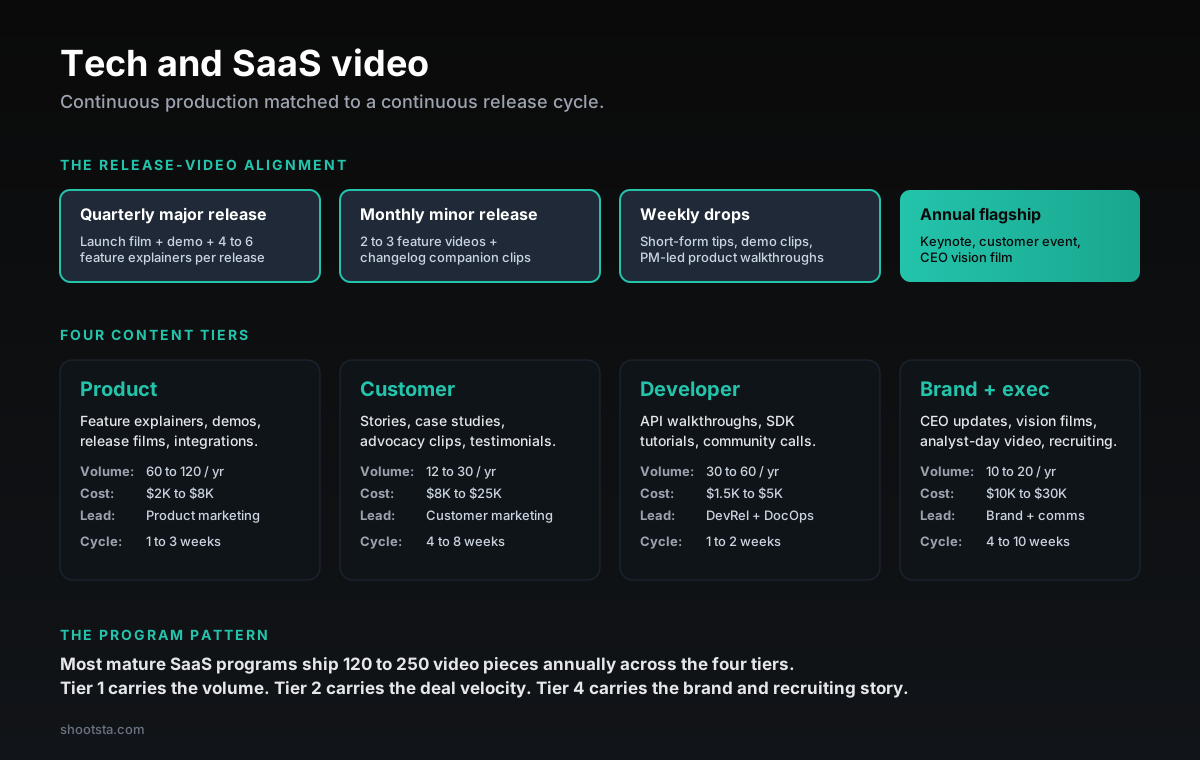
How to produce video for tech and SaaS
SaaS companies ship product continuously. A traditional campaign-led video program cannot keep pace. The shift: a continuous production model matched to the release cycle. Quarterly major release content, monthly minor release content, weekly product drops and an annual flagship. Four content tiers (product, customer, developer, brand + exec) and the unit economics that scale to 120 to 250 video pieces per year.
April 17, 2026
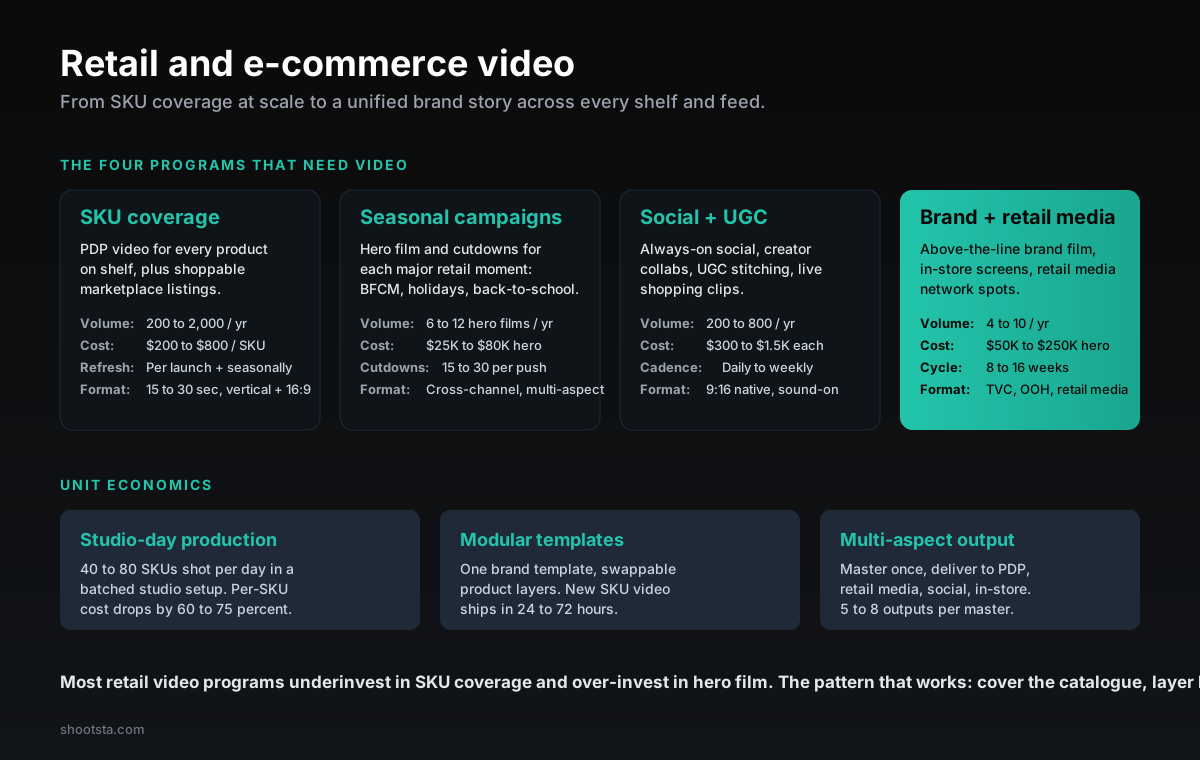
How to produce video for retail and ecommerce
Retail and e-commerce video sits across four programs: SKU coverage at scale, seasonal campaign hero film, always-on social plus UGC, and brand plus retail media. Most retail programs underinvest in SKU coverage and over-invest in hero film. The unit economics for batched studio days and modular templates that cover hundreds to thousands of SKUs per year, plus the program pattern that lifts conversion without breaking budget.
April 16, 2026
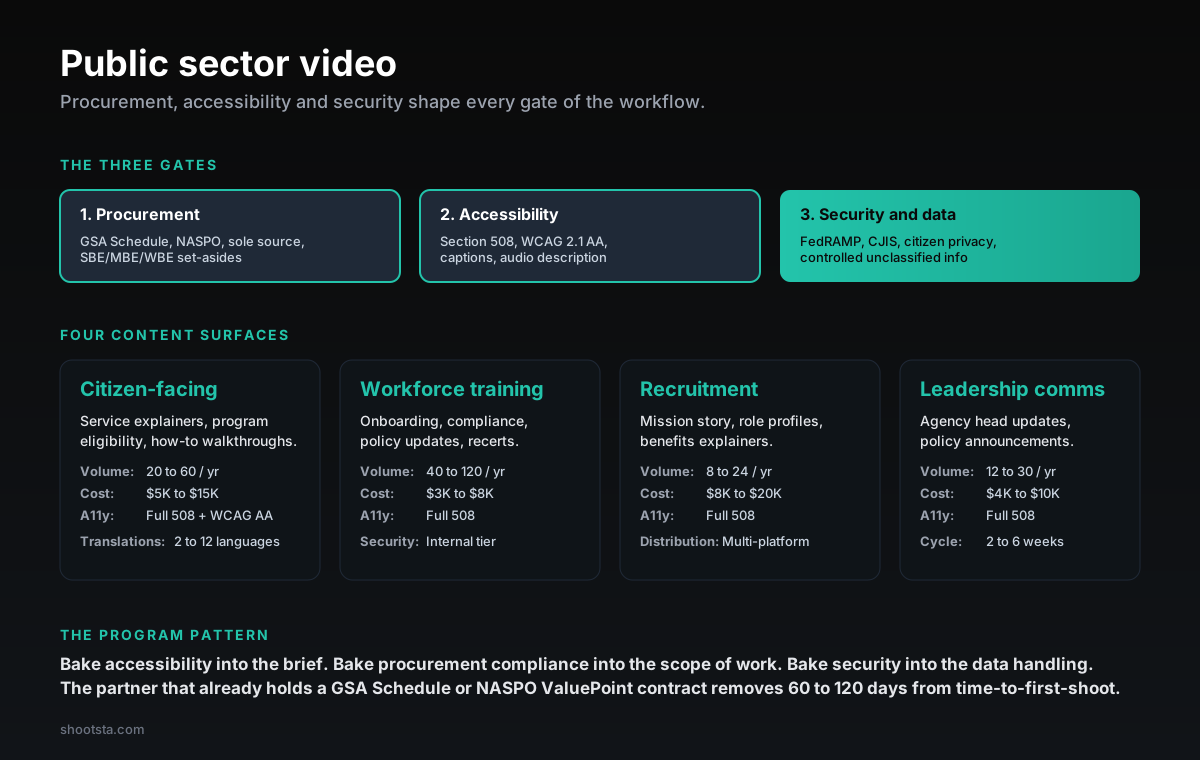
How to produce video for the public sector
Public-sector video is shaped by three gates that do not apply in the commercial sector: procurement, accessibility and security. Four content surfaces (citizen-facing, workforce training, recruitment, leadership comms), the procurement vehicles that cut 60 to 120 days off time-to-first-shoot, and the accessibility and security patterns that hold up under FOIA and ombudsman review.
April 15, 2026
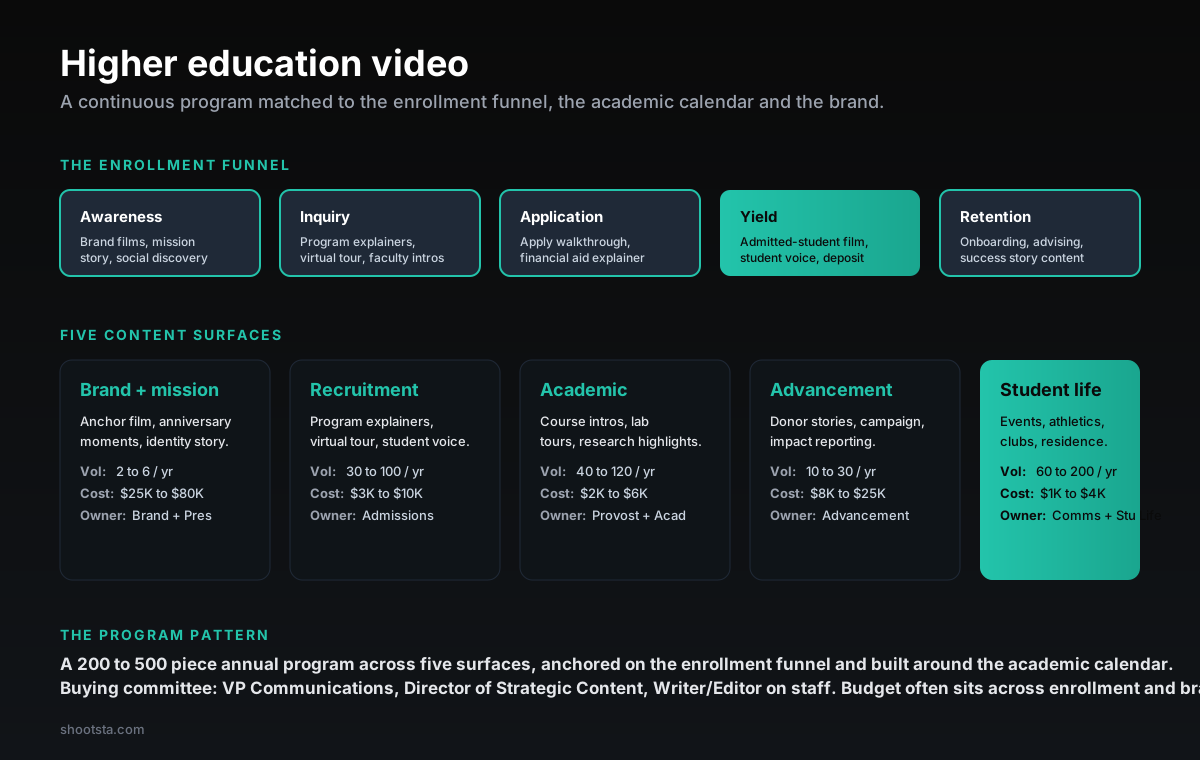
How to produce video for higher education
Higher education video sits across five content surfaces and runs against the enrollment funnel from awareness through yield to retention. The buying committee is consistent across small US private colleges: VP Communications, Director of Strategic Content, Writer/Editor. The program that holds: a continuous 200 to 500 piece annual cadence built around the academic calendar with batched faculty and student recording days.
April 14, 2026
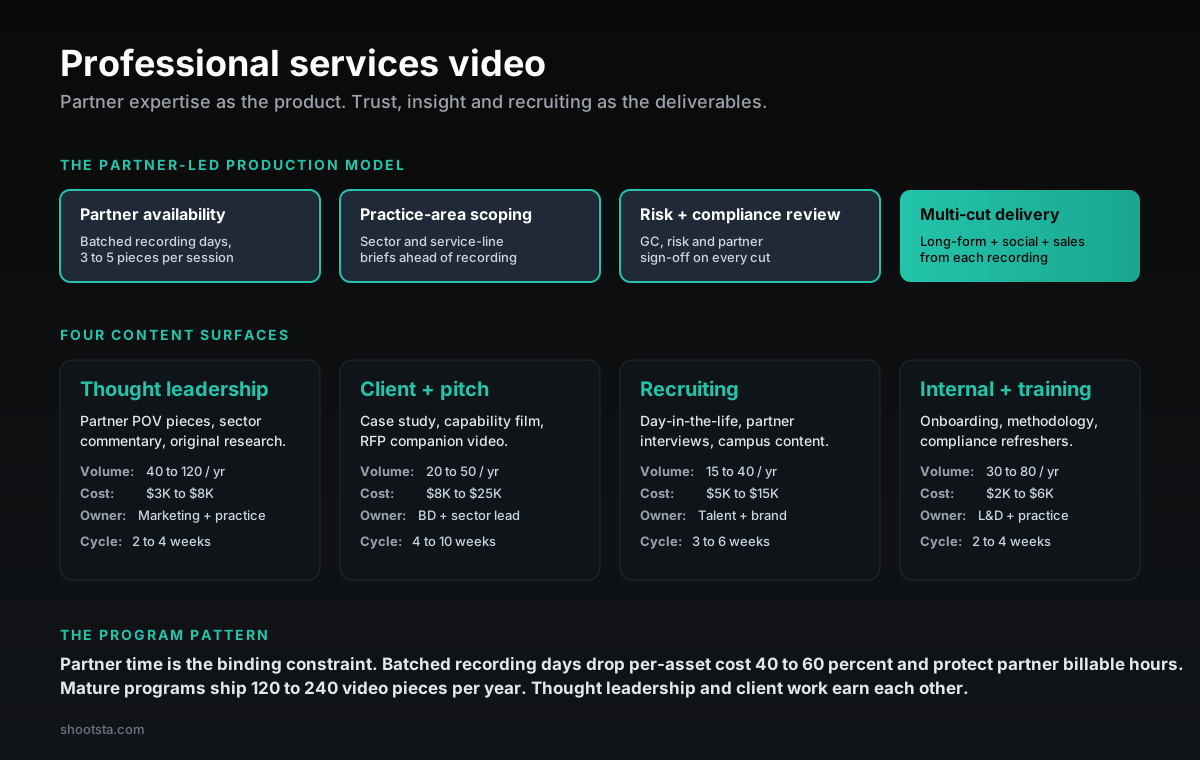
How to produce video for professional services
Professional services firms sell expertise. Video is the most efficient medium for proving it. The constraint: partner time. The model: batched recording days, practice-aligned scoping, risk and partner sign-off on every cut. Four content surfaces (thought leadership, client and pitch, recruiting, internal training) and the partner-led production pattern that ships 120 to 240 pieces per year without breaking the billable hour calendar.
April 13, 2026
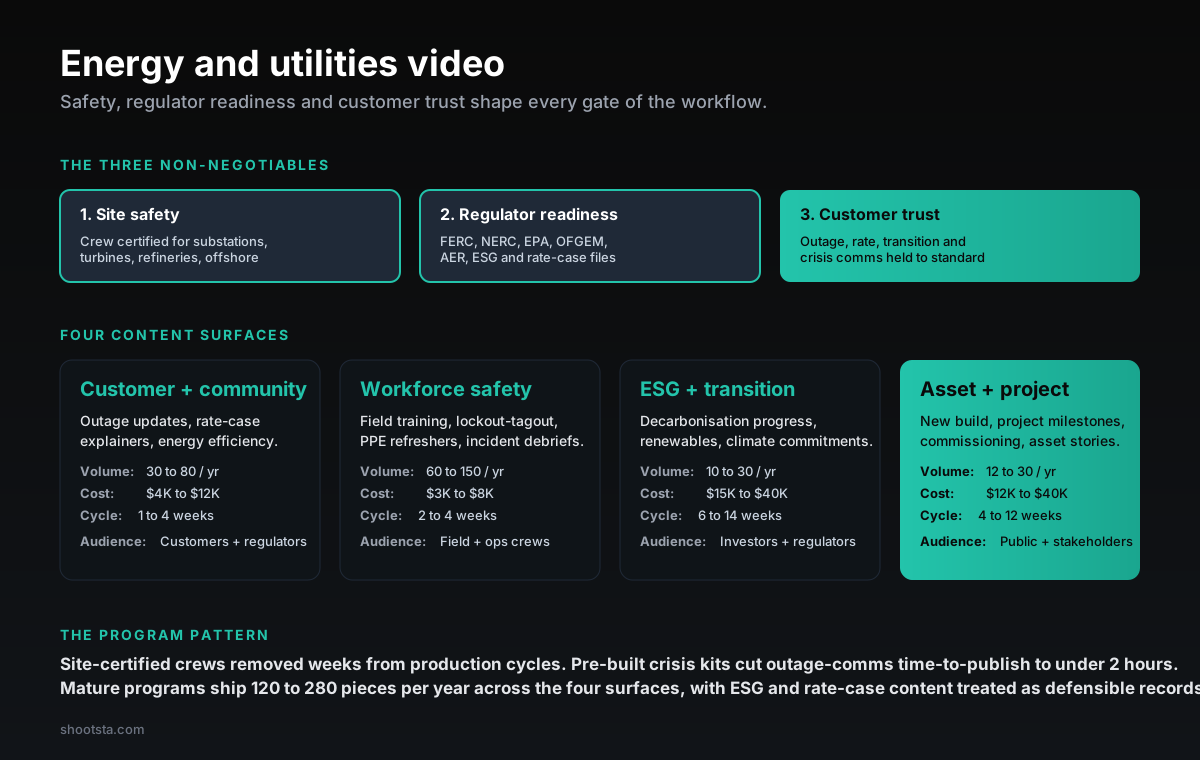
How to produce video for energy and utilities
Energy and utilities video carries three non-negotiables: site safety, regulator readiness and customer trust. Four content surfaces (customer and community, workforce safety, ESG and transition, asset and project), the pre-built outage-comms kit that publishes inside 2 hours, and the multi-site program pattern that ships 120 to 280 pieces per year across generation, transmission, distribution and retail.
April 12, 2026
How to produce video for manufacturing and industrial
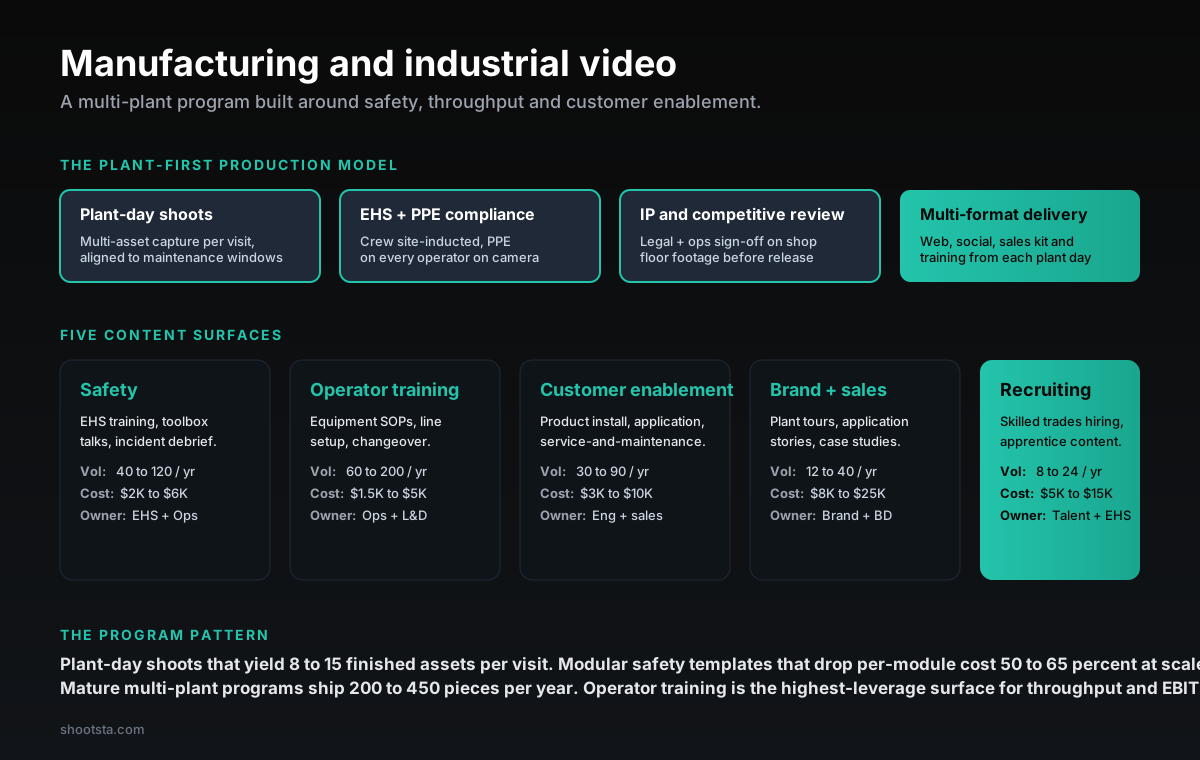
Manufacturing video runs across plants, not campaigns. The structural shift: a plant-day production model that captures 8 to 15 finished assets per visit across safety, operator training, customer enablement, brand and recruiting. EHS and PPE compliance baked into the crew. IP and competitive review gates protect shop-floor footage. The five-surface program ships 200 to 450 pieces per year across multi-plant operations.
April 11, 2026
How to produce video for travel and hospitality
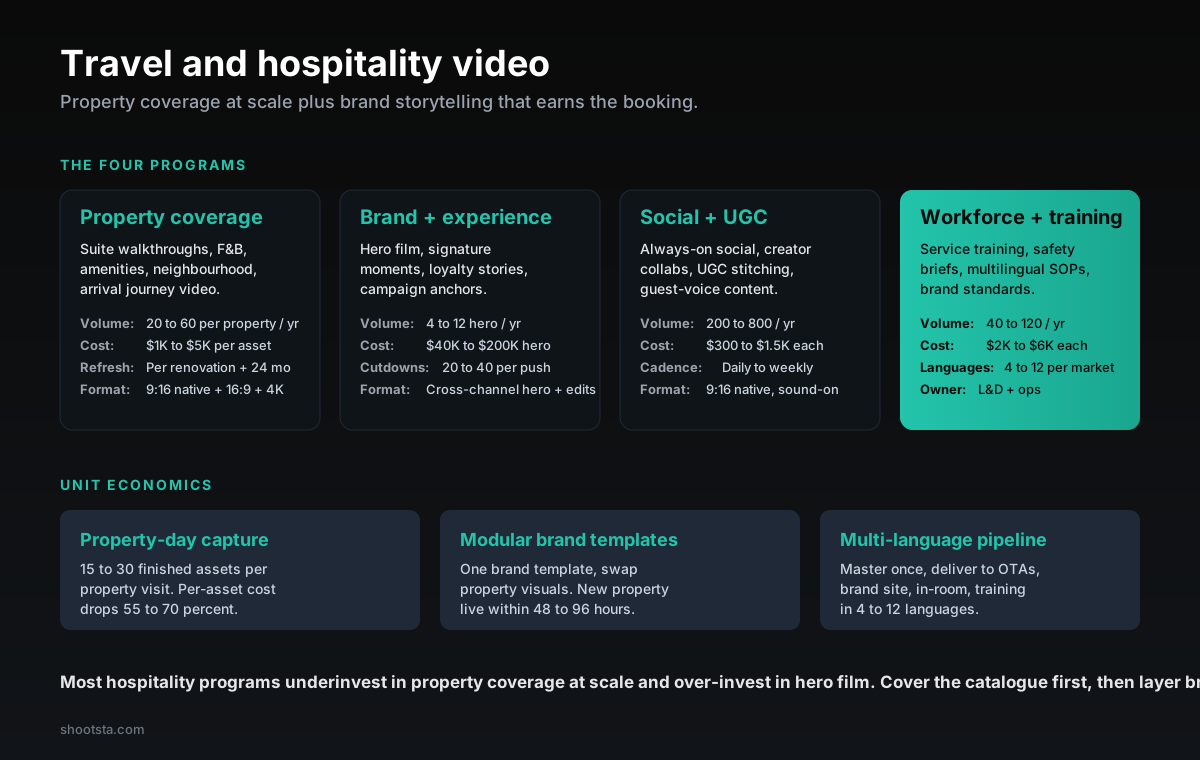
Travel and hospitality video runs against two structural needs: property coverage at scale and brand storytelling that earns the booking. Four content programs (property coverage, brand and experience, social and UGC, workforce and training), property-day capture that produces 15 to 30 assets per visit, and a multi-language pipeline that holds the program together across hotels, resorts, airlines, cruise and destination brands.
April 10, 2026
How to produce enterprise video across APAC
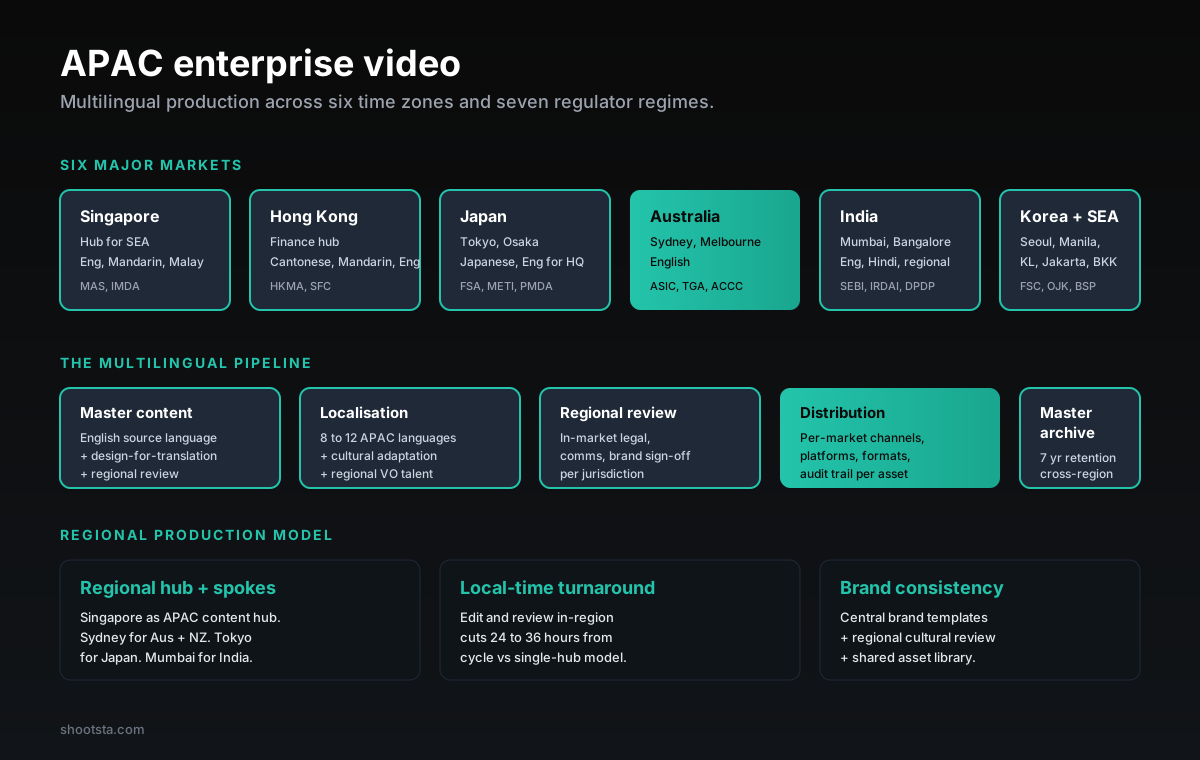
APAC enterprise video runs against six time zones, six major markets and 12+ working languages. The hub-and-spoke regional production model anchored on Singapore, the multilingual pipeline that delivers in days instead of weeks, and the regulator-aware workflow for MAS, HKMA, FSA, ASIC, SEBI and the SEA financial regulators.
April 9, 2026
How to produce enterprise video across EMEA
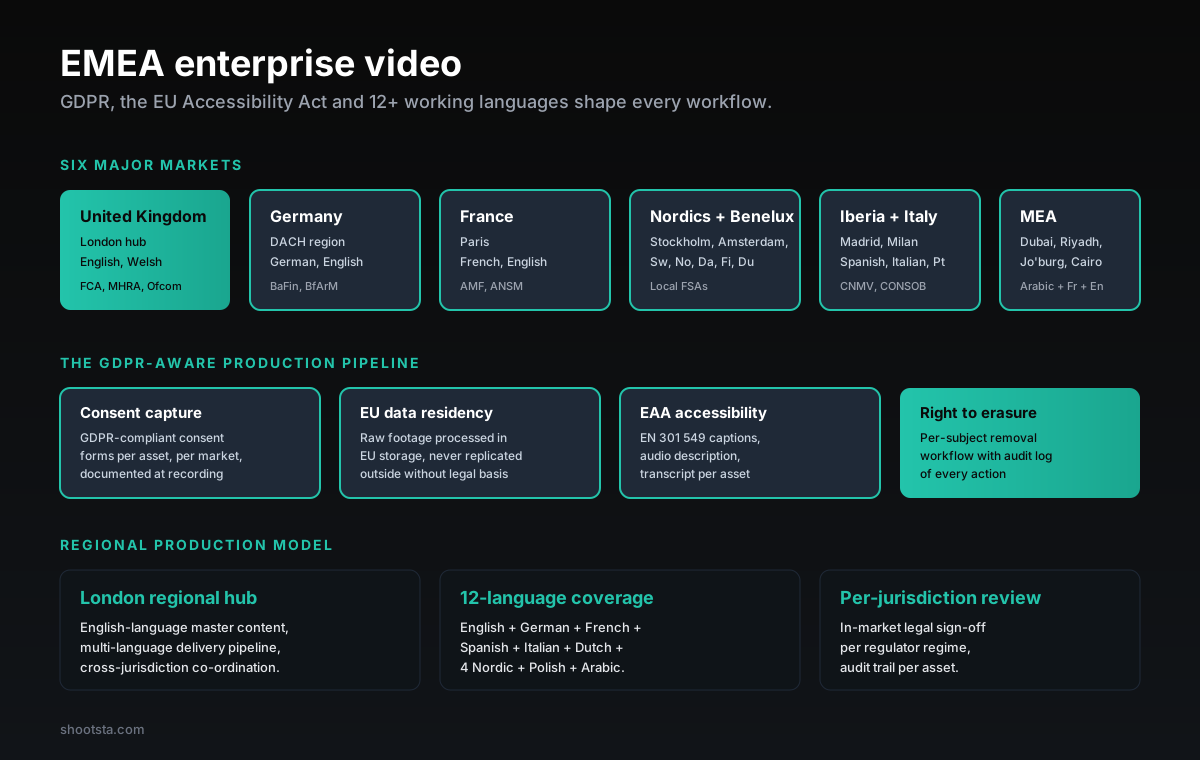
EMEA enterprise video runs against the strictest regulatory load in the world. GDPR shapes every consent and data-handling decision. The EU Accessibility Act sets the highest accessibility baseline globally. Twelve+ working languages across the region. London as the regional hub, the GDPR-aware production pipeline, and the per-jurisdiction legal sign-off pattern that ships clean across the UK, DACH, France, Iberia, Nordics, CEE and MEA.
April 8, 2026
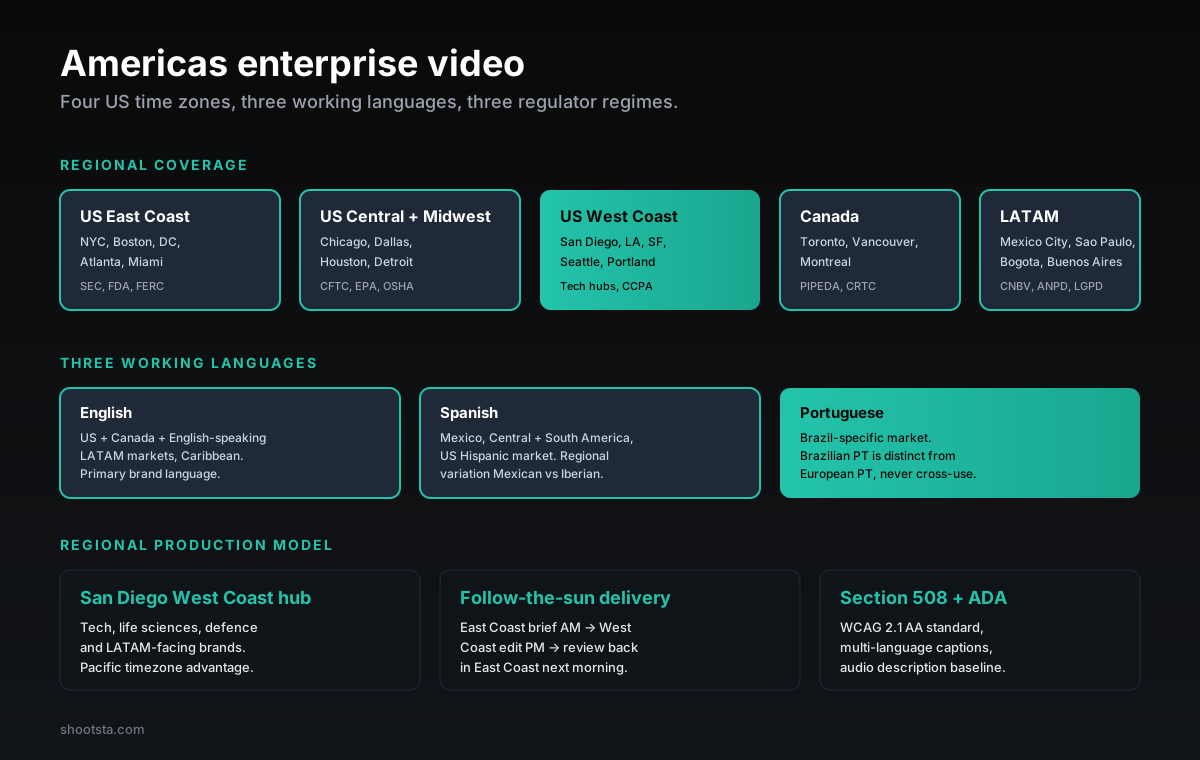
How to produce enterprise video across the Americas
Americas enterprise video runs across four US time zones, three working languages and a regulator overlay spanning SEC, FDA, FERC, CFTC, EPA, OSHA and FINRA in the US plus per-country regimes in Canada and LATAM. The follow-the-sun production model anchored on the West Coast, the multilingual pipeline for English-Spanish-Portuguese, and the Section 508 baseline that holds across customer-facing and federal content.
April 7, 2026