
shootsta.
How to Maintain Brand Consistency Across UK Video Content
By Mark Ashworth · Published September 18, 2025 · Updated October 2026

Complete guide to brand consistency video covering systematic approaches, brand guidelines video implementation, and corporate identity video standards for UK organisations.
UK organizations producing video across multiple departments, regions, or external partners run into brand consistency problems.
Marketing creates polished content while HR uses DIY tools. London HQ keeps high standards while regional offices use whatever they have. External agencies read brand guidelines differently. This mix creates a disjointed brand image that undercuts the professionalism video should build.
Reliable brand consistency needs a system that does the work, so you are not relying on each creator to remember the rules. Leading organizations embed brand guidelines into production workflows, use technology to enforce compliance, and set up governance that keeps quality high without slowing output.
This guide covers how UK businesses keep brand standards consistent across spread-out teams, different content types, and high production volumes.
Understanding Brand Consistency Video Challenges
Knowing why video brand consistency breaks down helps you fix it.
Decentralized Production
When multiple departments produce video using different agencies, freelancers, or internal resources, brand standards slip fast. Each creator reads guidelines differently, focuses on different elements, and makes independent calls that add up to drift from the intended brand.
This hits large UK organizations hardest, where marketing, HR, sales, operations, and communications all deploy video without shared oversight or resources.
Unclear or Incomplete Guidelines
Many organizations have solid print brand guidelines but nothing for video. Without specific guidance on motion graphics, pacing, audio identity, text formatting, or quality standards, creators make inconsistent choices even with good intentions.
Video brand consistency means adapting traditional guidelines for moving media and adding standards for elements that do not exist in static communications.
Variable Production Budgets
Budget gaps between departments create visible quality differences. Marketing videos get big budgets while training content gets the minimum. Viewers see those production value differences as brand inconsistency, even if the creative approach follows the rules.
Skills and Expertise Gaps
Many of the people making your videos are not video specialists. Subject experts filming training, sales teams recording demos, or regional offices making local content often lack the production skills to stay on-brand, even when they want to.
Consistency Reality
Manual oversight and periodic audits cannot catch every deviation across hundreds of annual videos. Systematic approaches that embed standards into production workflows keep compliance automatic. They also support volume growth that manual processes cannot handle.
Building Comprehensive Brand Guidelines Video
Good video brand standards go well beyond logo placement. They cover every brand element in detail.
Visual Identity Standards
Start by writing down the specific visual requirements. Define color palette usage including primary and secondary colors, approved backgrounds, and accessible color combinations. Set logo rules covering size, placement, clear space, and when to use animated versus static versions.
Set typography standards: approved fonts for graphics, text hierarchy, and on-screen text formatting.
Give visual examples showing correct and incorrect uses. Creators understand practical examples better than written descriptions.
Motion Graphics and Animation
Define guidelines for moving elements unique to video. Specify transition styles, animation timing, graphic reveal patterns, and motion graphic color schemes. Set rules for kinetic typography. Document lower third designs, title card formats, and end screen templates.
Many organizations create templated assets for common elements. This speeds up production and keeps things consistent.
Audio Identity
Brand identity extends to sound. Define music style, specify any signature audio logos, set voiceover tone and style expectations, and document audio quality standards.
For organizations using voice talent regularly, create voice guidelines covering accent, tone, pacing, and delivery style.
Content and Messaging
Brand consistency covers messaging and tone as well as visuals. Document brand voice traits, approved terms and naming, messaging frameworks for different video types, and content to avoid. Say where the brand sits on the scale from formal to casual, with an example line of script for each video type.
Quality Standards
Set minimum quality benchmarks. Specify resolution, aspect ratios, frame rates, and audio quality. Define lighting and composition standards, editing expectations, and when professional production versus user-generated content fits different categories.
Guidelines Pitfall
Overly rigid guidelines kill creativity and make production impractical. Good standards set clear guardrails while allowing flexibility. Define what must stay consistent (core brand elements) versus what allows variation (creative execution). That lets teams create diverse content while keeping the brand recognizable.
Technology Solutions for Brand Consistency Video
Modern platforms provide tools that enforce compliance automatically instead of relying on manual checks.
Centralized Brand Asset Management
Platform-based solutions provide central repositories for all brand assets. Approved logos, graphics, fonts, color palettes, music, and templates stay accessible to every creator. When standards update, changes roll out automatically so no one works from outdated materials.
This solves the common problem of regional teams or external partners using old brand packages downloaded months ago.
Templated Workflows
Templates embed brand standards into production. Pre-built graphics, title sequences, lower thirds, and end cards use approved designs. Every video gets proper brand elements in the right format. Creators focus on content while templates handle brand compliance.
Good template systems allow customization in flexible areas while locking down non-negotiable brand elements.
Automated Compliance Checking
Advanced platforms check video content automatically and flag brand guideline violations before stakeholder review. They verify logo usage, color palettes, text formatting, and technical quality. Catching issues early means corrections stay simple and cheap.
Integrated Review and Approval
Workflow tools route content to the right brand reviewers automatically. This provides oversight without slowing production. Feedback systems let reviewers comment on specific frames or elements. Version control tracks all approvals and changes.
Governance Frameworks for Brand Consistency Video
Good governance balances brand protection with production speed. The frameworks below give high-risk videos more review and let routine videos move faster.
Tiered Approval Based on Risk
Match approval levels to content visibility and brand risk. Internal training videos need minimal brand review. Regional marketing content gets standard approval. High-profile external campaigns need full creative and brand sign-off. This tiered approach keeps standards high without applying flagship processes to routine content.
Clear Brand Authority
Name specific people or teams with final brand authority. Unclear approval processes cause confusion and delays. Clear authority means decisive feedback, no endless revision cycles, and consistent standards across the organization.
Regular Brand Training
Train content creators, agency partners, and internal stakeholders on video brand requirements. Cover why standards matter, how to apply them in practice, and common mistakes. Regular refreshers address evolving standards and keep expectations clear.
Periodic Audits and Feedback
Review produced content regularly to check brand adherence across departments and creators. Audits spot drift patterns, reveal training needs, and show whether governance works. Use findings to refine standards, improve processes, and give constructive feedback.
Benefits of Strong Brand Consistency Video
Investing in systematic brand compliance gives you more than a uniform look. It changes how people recognize you, how much they trust you and how fast your team can produce.
Enhanced Brand Recognition
Consistent video across all content builds brand recognition. Audiences quickly identify your organization through consistent visual style, motion graphics, and audio identity. That recognition gets stronger when every video sends the same brand signals.
Professional Perception
Consistent video signals attention to detail and organizational sophistication. Inconsistent content looks disorganized, no matter how well run your operations are. Professional presentation across all touchpoints builds confidence in your brand and services.
Efficiency Gains
Systematic brand guidelines speed up production. Templates cut repeated creative work, and clear standards stop revision rounds that turn on personal taste. Automated compliance checks catch issues before a video reaches the reviewer. These savings add up across dozens or hundreds of videos per year.
Reduced Risk
Consistent brand video prevents off-brand content from reaching audiences. Systematic compliance cuts the risk of IP violations, confusing messaging, or visuals that clash with brand positioning. Prevention is far cheaper than damage control after bad content goes live.
Consistency Impact
Teams that run brand consistency as a system tend to see stronger brand recognition than teams that check each video by hand. They also go through fewer revision rounds and get approvals back sooner. Track your own recognition scores, revision counts and approval times before and after you add the framework, so you can show the return in your own numbers.
Measuring Brand Consistency Video Performance
Track the right metrics to make sure brand standards hold. These four measures show whether the system works and where it needs attention.
Compliance Audit Scores
Audit content samples against your video brand standards regularly. Score videos on visual identity, motion graphics, audio identity, messaging, and quality. Track scores over time to spot improvement or decline. Set targets (e.g., 95%+ compliance) and monitor results.
Revision Rate Tracking
Monitor how often videos need brand-related revisions. High rates point to unclear guidelines, poor training, or weak compliance tools. Falling rates show better understanding and stronger systems.
Brand Recognition Research
Test whether audiences recognize your brand in video content through periodic research. Check if consistency efforts translate to better awareness, recall, and perception. Strong scores confirm that compliance delivers real brand-building results.
Stakeholder Satisfaction
Survey brand guardians, content creators, and business stakeholders about video brand processes. Find out whether standards are clear, tools work well, and workflows are efficient. High satisfaction shows the system balances brand protection with practical production.
Implementation Best Practices
Setting up effective video brand systems takes attention to documentation, technology, and change management.
Document Comprehensively
Create detailed video brand guidelines covering every element above. Include visual examples of correct and incorrect use plus template assets ready to use. Keep guidelines as living documents that update as your brand evolves.
Implement Systematically
Pick platforms and tools that embed brand standards into workflows. Centralized assets, templates, and automated checking turn brand rules from nice-to-have documents into working reality. Technology keeps consistency at scales manual oversight cannot.
Train Thoroughly
Teach all stakeholders about brand standards, why they matter, and how to apply them. Train brand reviewers, video creators, and business teams commissioning work. Well-trained organizations follow standards voluntarily, reducing the need for enforcement.
Review Regularly
Run periodic audits checking video brand compliance across the organization. Use findings to refine guidelines, improve training, and optimize tools. Regular review prevents gradual drift and shows leadership commitment to consistency.
Brand Consistency Video Implementation Checklist
Use this checklist to build a complete brand compliance system. Work through it in order, since each step depends on the one before.
Brand Compliance Checklist
Documentation:
- Written brand guidelines adapted for video
- Visual examples showing correct and incorrect uses
- Template assets for common elements (logos, graphics, title cards)
- Clear standards for visual identity, motion graphics, audio, and messaging
Technology Infrastructure:
- Centralized brand asset management for all creators
- Templated workflows that embed brand standards into production
- Automated compliance checking that flags violations
- Integrated approval routing for brand review
Governance Structure:
- Clear brand authority with final decision-making power
- Tiered approval matching content risk and visibility
- Defined review timelines to prevent bottlenecks
- Regular audit schedule across the organization
Training and Education:
- Onboarding for new content creators
- Regular refresher training on guideline updates
- Practical workshops on applying standards
- Support channels for questions and guidance
Taking Action on Brand Consistency Video
Systematic brand compliance turns the standards in your brand book into the videos people see. The steps below take you from audit to rollout.
Start with an honest audit. Review recent video across departments and check brand consistency. Find common deviations, quality gaps, and areas where standards are unclear. This shows the gap between your intended brand and how it appears on screen today.
Write detailed video brand guidelines. Extend existing brand standards with video-specific requirements while keeping the core identity. Include practical examples and ready-to-use templates alongside the rules.
Pick technology platforms that embed brand standards into workflows. Manual oversight alone cannot keep up with scaled production. Systematic tools enforce compliance and support volume growth.
Set up clear governance with defined brand authority, approval processes, and compliance expectations. Vague frameworks cause confusion. Explicit governance enables decisive action and consistent standards.
Train stakeholders thoroughly on brand requirements. Education builds voluntary compliance and reduces the need for enforcement.
Roll out in phases, starting with high-visibility content before expanding to all video. Early wins build confidence, reveal process improvements, and prove value that justifies wider adoption.
Modern platforms that combine human creativity with AI-powered tools maintain brand consistency automatically through embedded standards, automated checking, and systematic workflows. Under 48-hour turnaround shows that brand compliance and speed go hand in hand.
Organizations that succeed with brand consistency treat it as a system with its own infrastructure, rather than a goal they reach through manual checks. They invest in guidelines, technology, and ongoing training to keep every video on-brand.
Frequently Asked Questions About Brand Consistency Video
How do we maintain brand consistency across external agencies and freelancers?
Start with thorough onboarding and systematic oversight. Give external partners detailed brand guidelines with visual examples. Run working sessions to walk through standards. Supply current brand asset packages with approved logos, graphics, fonts, and templates.
Set clear approval processes so brand review happens before content is finalized. Use platforms that give partners access to centralized assets and templates. Include brand compliance requirements in contracts with specific standards. Review early work closely and give detailed feedback.
Build ongoing relationships with reliable partners who develop deep brand understanding. Many organizations find that dedicated platform relationships deliver better consistency than managing multiple freelancer or agency relationships one by one.
What happens when brand guidelines change or evolve?
Brand evolution needs systematic communication and asset updates. When standards change, update centralized asset repositories right away. Tell all stakeholders what changed, why, and when the new rules take effect.
Give transition guidance for existing content. Clarify what to update, leave as is, or retire. Train teams on the new standards. Update templates and automated tools. Set clear deadlines for when old standards become unacceptable.
Archive outdated assets to prevent accidental use. Many organizations version-control brand standards to track changes over time. Phased rollouts help teams adapt while keeping consistency.
Treat brand evolution as a managed change program with an owner and a rollout date. An updated document on its own rarely reaches the people who make the videos.
How strict should brand guidelines be for internal versus external content?
Requirements should match content visibility and brand risk, not be uniform across everything. External content like marketing videos, customer comms, and public social media needs the strictest compliance because it directly shapes brand perception.
Internal content like training videos or procedure docs can use simpler branding, lighter production, or a more informal tone while still including core brand elements like colors, logos, and visual identity.
Start by separating brand-critical elements (primary colors, logo usage, core messaging) from nice-to-have elements (motion graphics polish, production sophistication).
Document these distinctions clearly so teams know when strict compliance applies and when flexibility is fine. This tiered approach keeps brand integrity without creating impractical constraints on everyday internal content.
How do we balance brand consistency with creative freedom?
Good brand guidelines balance consistency with creative room. Define non-negotiable elements that must stay the same: core brand colors, logo treatment, audio identity, messaging frameworks. These guardrails keep the brand recognizable no matter the creative approach.
Within those boundaries, allow creative freedom in storytelling, visual metaphors, pacing, design choices, and content structure. Think of brand standards as the playing field boundaries, not instructions for every move within them.
Show examples of diverse creative work that all stay on-brand. Encourage trying new things within the guidelines instead of repeating the same formula. Review creative concepts early so you can redirect before production wraps.
The balance needs clear non-negotiables alongside explicit permission to vary in other areas. Regular dialogue between brand guardians and creative teams improves this balance over time.
What technology helps maintain brand consistency video at scale?
Modern platforms offer several tools for brand consistency at volume:
- Centralized digital asset management for all approved brand materials
- Template libraries that embed guidelines into every production
- Automated compliance checking for logo versions, colors, required elements, and quality
- Workflow systems that route content to brand reviewers automatically
- Version control tracking approvals and changes
- Analytics showing compliance patterns and common issues
Integration with creative tools lets editors access approved assets directly in their software. Many organizations find that the same technology enabling brand consistency also speeds up production by cutting repeated work and reducing revisions.
Investing in the right platforms improves both compliance and efficiency. Pick tools your editors will use every day, or the approved assets will sit unused.
Keep reading
Take this article with you
Read the latest at shootsta.com/blog/brand-consistency-video-uk
You might also like
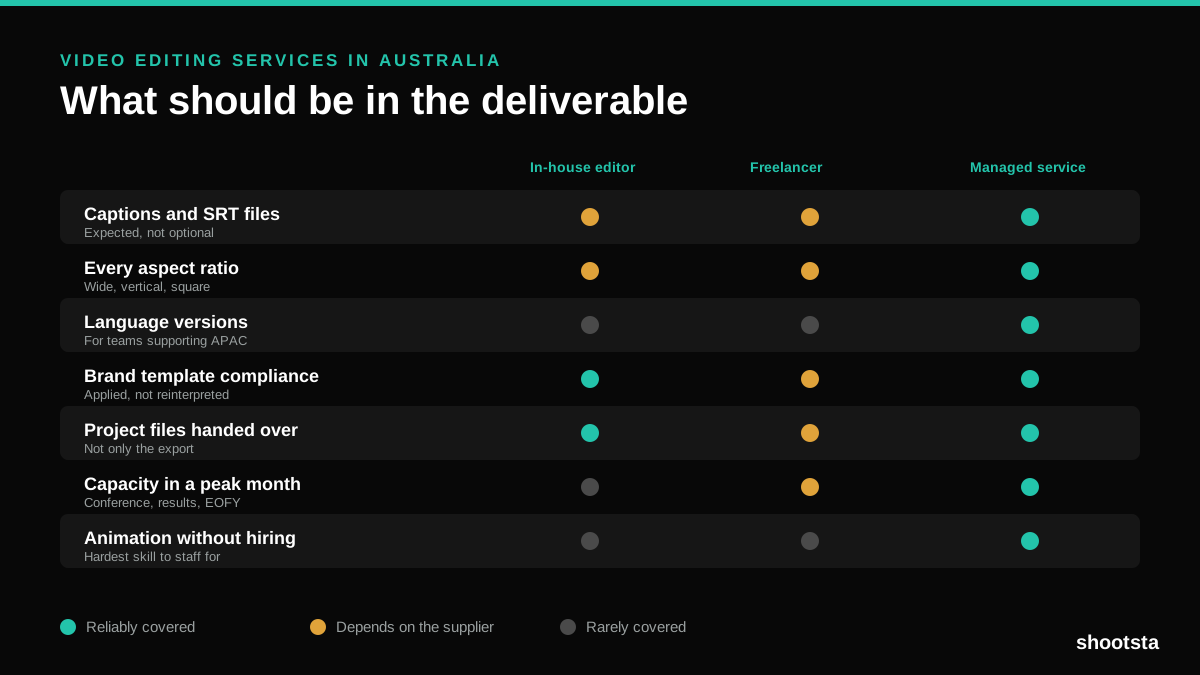
Video Editing Services in Australia
Australian teams are spread across time zones and offices, so the editing queue matters more than the editing. Here is what to expect on cost and turnaround.
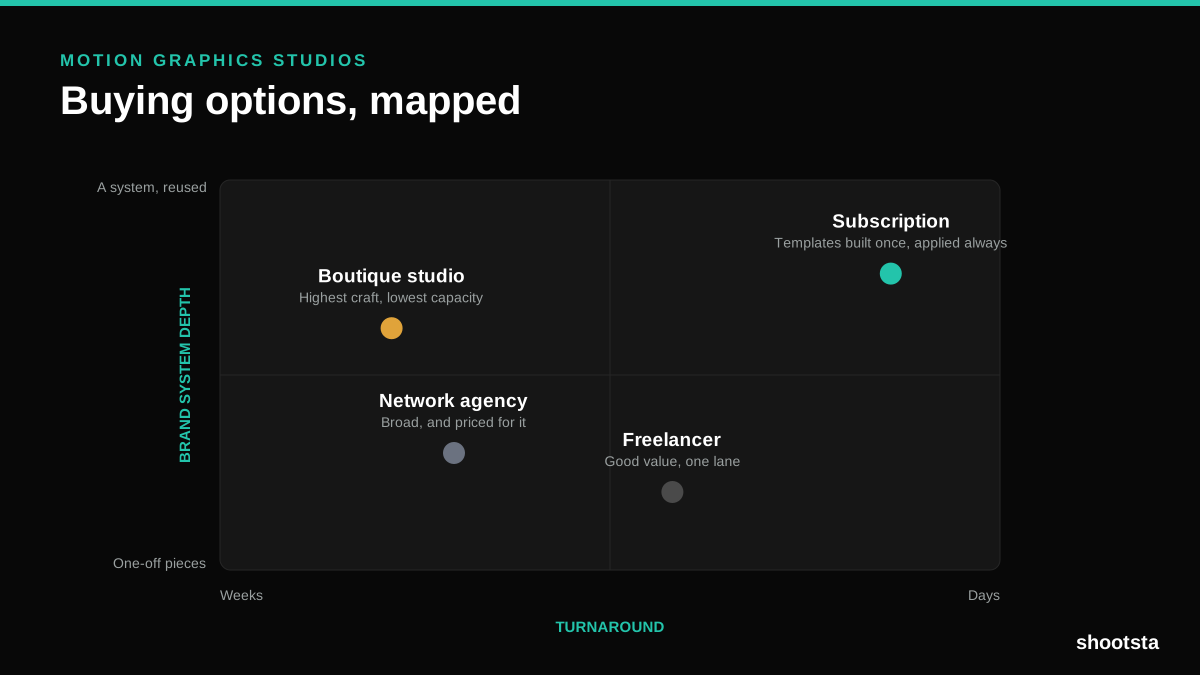
How to Choose Between Motion Graphics Studios
Every motion graphics studio has a good reel. The reel is the one thing that will not tell you how the fifth project goes. These ten criteria will.
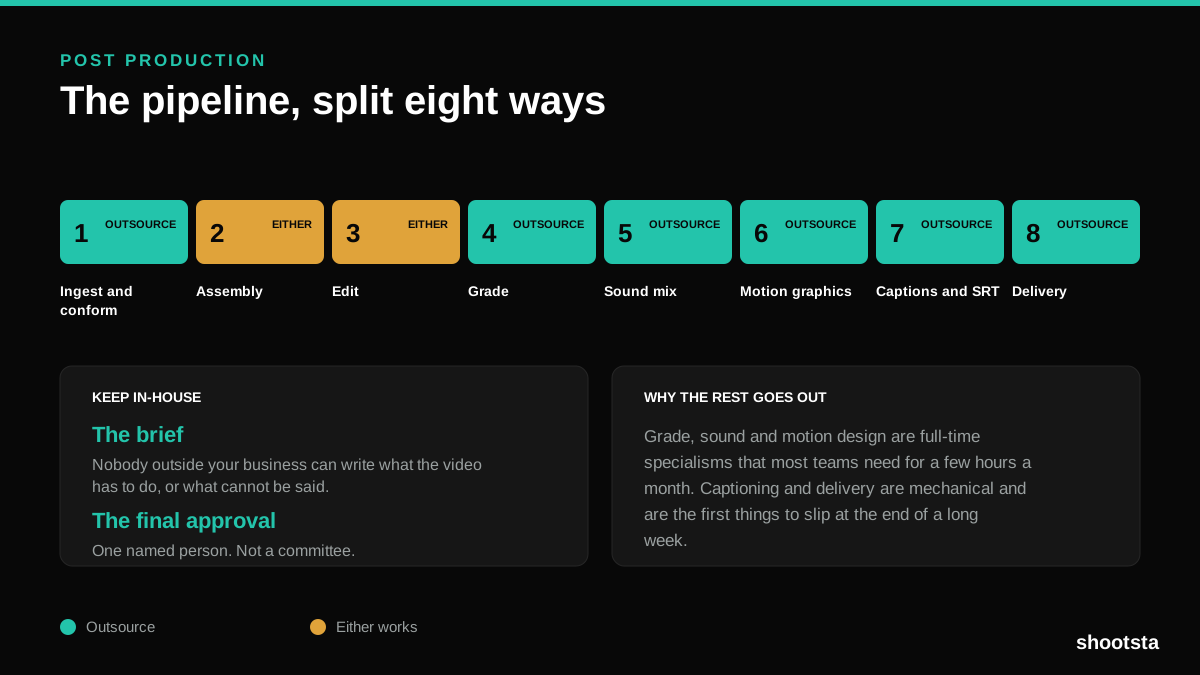
Post Production Agency or In-House Team?
Post production is eight stages, not one. Some of them need context only your team has. The rest are mechanical and are the first things worth handing over.
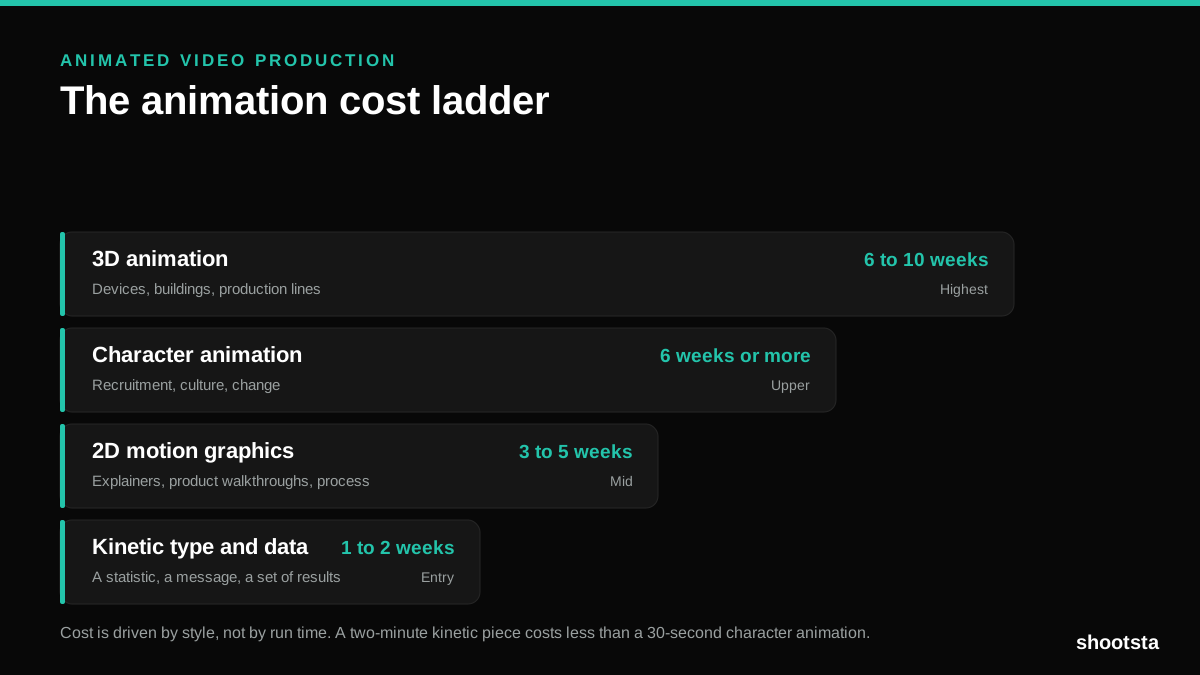
Animated Video Production Cost in the US
Animated video production costs move with style, not with length. Kinetic type, 2D motion, character and 3D sit on four rungs of a ladder. Here is what separates them.
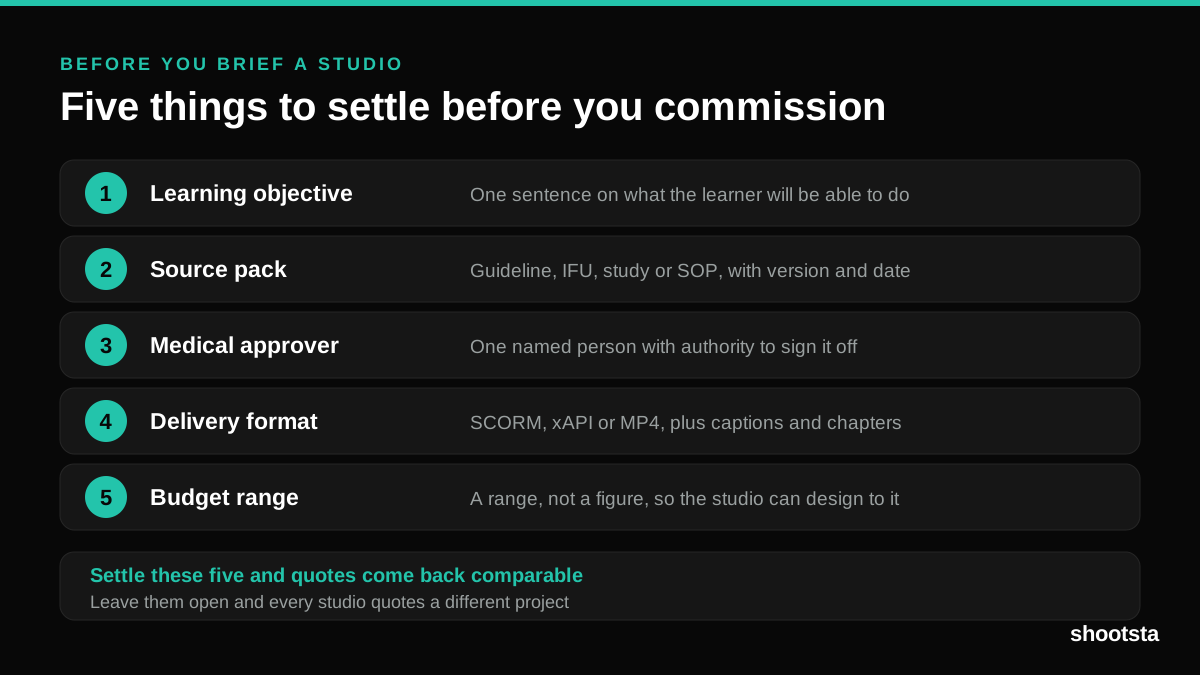
How to Commission Medical Training Animation
Commissioning a medical training animation is mostly decisions you make before anyone animates a frame. The brief fields that matter, what to ask a studio, how much expert time to budget, and the contract terms that stop a rebuild in two years.
How to Write an Animation Brief
How to Write an Animation Brief
Most animation briefs cause delays because they over-specify the visual style and under-specify the outcome. Here are the nine fields an animation production team needs to quote accurately and start without rework.