
shootsta.
Brand Messaging Through Video: A Strategic Framework
By Mark Ashworth · Published July 18, 2025 · Updated October 2026
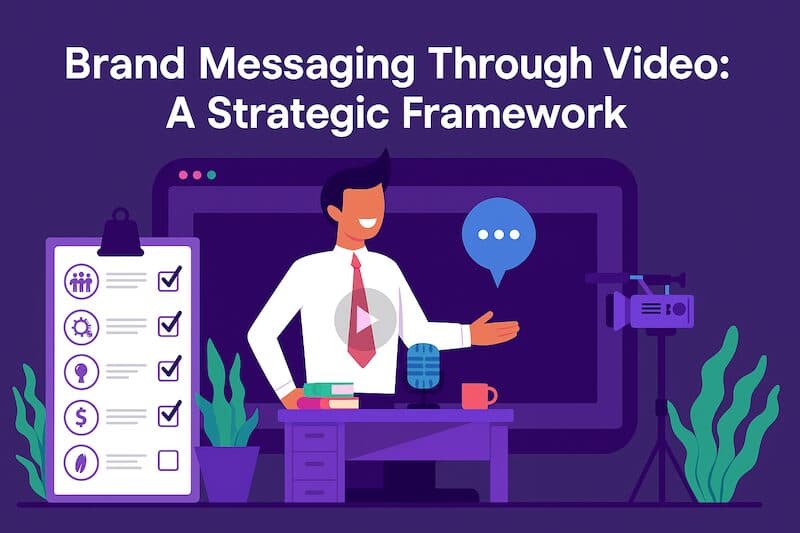
Learn how to incorporate branding into video content effectively. Complete guide to video branding strategy with examples and actionable tips.
Your brand speaks before you say a word. Every video your company creates either reinforces your brand identity or weakens it. There is no middle ground. Yet it is common to treat branding as an afterthought: a logo goes onto the finished video and it gets called branded content.
Real brand messaging through video goes deeper than surface-level visuals. It means weaving your brand's personality, values, and voice into every frame, every transition, and every word spoken. When done right, viewers should recognize your content as yours even before your logo appears.
What is Brand Messaging Through Video?
Brand messaging through video is the strategic use of your company's core identity, values, and personality in video content. Unlike standard corporate video that focuses on selling products, brand messaging videos build emotional connections and long-term recognition.
These videos communicate who you are as a company, what you stand for, and why customers should care. They can take many forms: company culture videos, behind-the-scenes content, customer testimonials, and thought leadership pieces.
The key difference between regular video and brand messaging through video is intentionality.
Every element in effective brand messaging videos works on purpose. Color choices, music, speaking tone, visual style - each part reinforces your brand identity and creates memorable viewer experiences. This approach turns standard video production into a powerful brand-building tool.
What Are the Benefits of Video Brand Messaging?
Build Recognition
Consistent brand messaging through video creates instant recognition. When viewers see your videos, they should know it is from your company right away, even without a prominent logo.
Drive Emotional Connection
Video lets you show your brand personality in ways that text and images cannot. This emotional connection leads to stronger customer relationships and more brand loyalty over time.
Increase Memorability
People remember stories and emotions better than facts and features. Brand messaging videos that tell strong stories stick with viewers long after they finish watching.
Differentiate From Competitors
In crowded markets, strong brand messaging helps you stand out. While competitors focus on features and benefits, memorable brand videos focus on values and personality that are hard to copy.
Brand Messaging Video Types and Examples
When planning your brand messaging through video strategy, think about your goals, target audience, and core message. Different video types serve different purposes. The best choice depends on what you want to say and the action you want viewers to take.
Company Culture Videos
Company culture videos show your team, workplace, and organizational values. They help potential employees, customers, and partners understand what makes your company unique beyond your products or services.
Example approach: Take viewers behind the scenes of your daily work. Feature employee stories or team collaboration on key projects. Focus on authentic moments that show your values in action rather than scripted presentations.
Leadership Thought Videos
Position your executives as industry experts through thoughtful commentary on trends, challenges, and opportunities. These videos build credibility and set your company up as a trusted voice in your field.
Example approach: Create a regular video series where leadership discusses industry developments, shares insights from company experience, or offers practical advice to your target audience.
Customer Success Stories
Let your customers tell your brand story through their own experiences. These videos combine social proof with brand messaging by showing how your values translate into real customer outcomes.
Example approach: Feature customers explaining what you did for them and how your approach and values made their experience different from working with competitors.
How to Create Effective Brand Messaging Videos
Pre-Production
Planning is everything when adding branding to video content. Follow each step carefully to keep your brand messaging focused and authentic throughout production.
01
Define Your Brand Voice
Before creating any video, clearly define your brand's personality, values, and unique point of view. This foundation guides all creative decisions and keeps your video marketing consistent.
02
Know Your Audience
Know who you are speaking to and how they like to consume content. Adapt your brand messaging to match their interests and habits while keeping your authentic brand voice.
03
Craft Your Core Message
Identify the single most important thing you want viewers to understand about your brand. All other elements should support this central message without overwhelming your audience.
04
Choose Your Story Angle
Decide how you will show your brand values rather than just stating them. Stories that show your brand in action are more persuasive than abstract descriptions of company values.
05
Plan Visual Consistency
Build a visual style guide for your video content. Include color palettes, typography, graphic elements, and filming approaches that reflect your brand personality.
06
Script and Storyboard
Write scripts that sound natural while using your brand voice consistently. Plan visuals that reinforce your brand identity through consistent style and messaging.
Production
For detailed guidance on professional video production techniques, comprehensive shooting guides provide technical expertise for high-quality results that support your brand messaging goals.
01
Equipment Setup
Good equipment ensures your brand is shown credibly in all video content. Whether using professional gear or smartphones, keep quality standards consistent across all brand content.
02
Visual Consistency
Apply your brand's visual guidelines consistently during filming. This covers lighting, color schemes, graphic elements, and camera angles that reinforce your brand identity.
03
Authentic Performance
Coach on-camera talent to embody your brand voice naturally. Authentic delivery that matches your brand personality creates stronger connections than scripted perfection.
Post-Production
Editing transforms raw footage into cohesive brand messaging that reinforces your identity and drives the actions you want from your audience.
01
Edit for Brand Consistency
Use consistent editing styles, color grading, and graphic treatments that reinforce your brand identity. Every transition and effect should feel intentional and aligned with your brand voice.
02
Add Brand Elements
Add logos, brand colors, and typography at natural points throughout the video. Focus on blending them in rather than interrupting the viewer experience.
03
Optimize for Distribution
Prepare versions for different platforms while keeping brand consistency. Each platform may need format tweaks, but never compromise your core brand identity.
Measuring Success
Track metrics that show brand building as well as engagement numbers. Focus on measurements that show effective brand messaging through video.
01
01 Brand Recognition Testing
Survey viewers to measure brand recall after watching your content. Can they name your brand without seeing logos or company names? That shows effective brand messaging.
02
02 Message Comprehension
Test whether viewers understand and remember your key brand messages. Good brand messaging videos should clearly communicate your core values to your target audience.
03
03 Emotional Response
Watch comments and feedback for emotional responses that match your brand goals. Are viewers feeling what you want them to feel about your brand?
Advanced Brand Messaging Strategies
Series-Based Brand Building
Create ongoing video series that reinforce brand messaging over time. Consistent exposure builds stronger brand recognition than one-off videos.
Implementation: Build themed video series around your brand values. This could be weekly leadership insights, monthly customer spotlights, or quarterly company updates that consistently reinforce your brand identity.
Platform-Specific Brand Adaptation
Adapt your brand messaging for each platform while keeping core consistency. LinkedIn videos might lean into professional expertise. Instagram content might highlight company culture. Both should support your overall video branding strategy.
Implementation: Create platform-specific content calendars that address different sides of your brand identity while staying coherent across all channels.
Employee Brand Advocacy
Train team members to represent your brand consistently in video content. Employee-created content often feels more authentic than polished corporate videos while still supporting your brand messaging goals.
Implementation: Give employees brand messaging guidelines for their content. Include training on brand voice, visual consistency, and key messages to reinforce.
Frequently Asked Questions
How can companies ensure brand consistency across different types of video content?
Build full video brand guidelines covering visual elements, tone of voice, and messaging frameworks. Create templates and style guides specific to video that can be adapted across formats while keeping your core identity intact. Regular training and clear approval processes help maintain consistency as you scale.
What is the difference between branding a video and creating branded content?
Branding a video means adding brand elements to existing content. Creating branded content means building the strategy and execution around brand messaging from the start. Branded content weaves brand values and personality into the story itself, making the communication more authentic and effective.
How much branding is too much in video content?
The right level depends on the content type and what the viewer expects. Educational and entertaining content works best with subtle brand touches. Promotional content can handle more direct branding. Focus on adding to the viewer experience rather than interrupting it.
Should video branding be different for different social media platforms?
Yes, but keep your core brand consistent while adapting to platform norms. LinkedIn videos might stress professional credibility. Instagram content might focus on visual appeal. Adjust how your brand comes across on each platform while staying recognizable on all of them.
How long should brand messaging videos be for best results?
Length depends on platform and purpose. Social media brand videos usually work best at 30-90 seconds. Detailed brand story videos can run 2-3 minutes. Focus on delivering your core message concisely rather than hitting a specific time target.
Common Video Branding Myths
Myth: More brand elements in video means stronger brand messaging.
Reality: Effective brand messaging often works best when woven in naturally.
Myth: Video branding is just about logo placement and brand colors.
Reality: True video branding covers voice, personality, values, and storytelling approach.
Myth: Good video branding requires large production budgets.
Reality: Consistency, authenticity, and smart thinking matter more than budget size.
Myth: Brand messaging videos should focus mainly on products and services.
Reality: The most effective brand videos focus on values, personality, and emotional connection rather than product features.
In Summary
Strategic brand messaging through video creates lasting competitive advantages beyond individual video performance metrics. When every video carries the same look, voice and message, viewers learn to recognize your brand faster, and that recognition carries across every channel where the videos appear.
Consistent brand messaging builds trust and familiarity. When viewers recognize your content right away, they are more likely to engage and remember your key messages. This recognition leads directly to increased brand consideration and preference.
Video branding strategy also makes content creation more efficient. Once you set up recognizable frameworks, they can be used across different campaigns and content types. Strong brand messaging cuts production time and costs while improving content performance.
Well-done video brand messaging sets your content apart in crowded markets. While competitors chase individual video performance, companies with strong brand messaging build cumulative impact that grows over time.
How to Measure the Success of Brand Messaging Through Video
Companies that invest in strategic video brand messaging see clear returns through better brand metrics, higher customer engagement, and stronger conversion rates. Studies show consistent brand presentation across all platforms can increase revenue.
Video content with strong brand messaging typically performs better across all key metrics. This includes engagement rates, completion rates, and conversion rates. Better performance means better marketing ROI and lower customer acquisition costs.
Long-term benefits include stronger brand equity, higher customer lifetime value, and lower marketing costs as brand recognition drives organic sharing and word-of-mouth.
Implementation Considerations
Start by auditing your existing video content. Find your current brand messaging strengths and gaps. Then build video-specific brand guidelines for the unique needs of moving content across different platforms.
Invest in training for your content team, whether internal or external. Consistent brand messaging needs everyone involved in content creation to understand and apply your brand strategy.
Create systems and templates that make consistent brand messaging easier. This could include branded video templates, pre-approved music libraries, and standard graphic elements that can be applied quickly to new content.
Consider working with video production partners who understand brand messaging. They can help develop and run consistent brand strategies across all your content.
Video Brand Messaging Readiness Assessment
Rate your organization's current capabilities (1-5 scale):
- Leadership video communication training completed
- Video-specific brand guidelines and templates developed
- Consistent visual identity across all video content
- Brand-aligned music and audio identity established
- Storytelling frameworks that reinforce brand values
- Platform-specific brand adaptation strategies in place
- Brand messaging measurement and optimization processes
- Team training on video brand implementation completed
Scoring:
32-40 points: Excellent brand messaging foundation |
24-31 points: Good foundation with room to improve |
16-23 points: Significant gaps that need attention |
Below 16 points: You may need a full brand messaging strategy overhaul
Need a Partner to Create Your Brand Messaging Videos?
Shootsta helps businesses bring their brand messaging ideas to life. We guide you through pre-production, production and post-production, and edits come back within 24 to 48 hours depending on your package.
Explore Shootsta's Video Solutions: From full production support for capturing high-quality branded footage to a team of dedicated editors who understand brand consistency, Shootsta gives businesses everything they need to create brand videos that connect with their audience.
Use the Power of Video Branding: With a focus on creating videos that authentically represent your brand values and personality, Shootsta is a trusted partner for businesses looking to maximize the impact of their brand messaging through video.
Contact Shootsta today to learn how we can help strengthen your video brand messaging strategy and reach your business goals through professional video production.
Keep reading
- Video Content Strategy for B2B Companies
- How to Maintain Brand Consistency Across Video
- Video Marketing UK: Strategy for UK Businesses
Related reading
- Brand messaging on the video level starts with one clear message per piece. Read about crafting key messages that land.
Take this article with you
Read the latest at shootsta.com/blog/brand-messaging-through-video-a-strategic-framework
You might also like
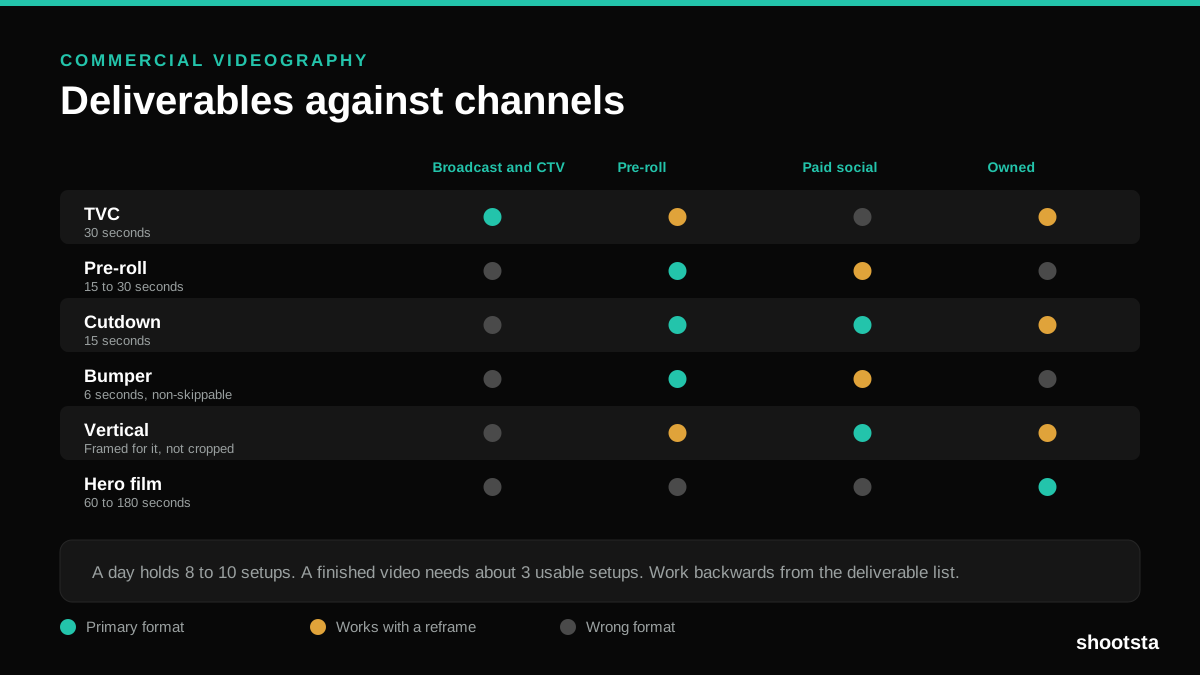
Commercial Videography: Cost and Scope
Commercial videography is priced by the day and judged by the deliverable. Most projects go wrong because those two numbers were never reconciled.
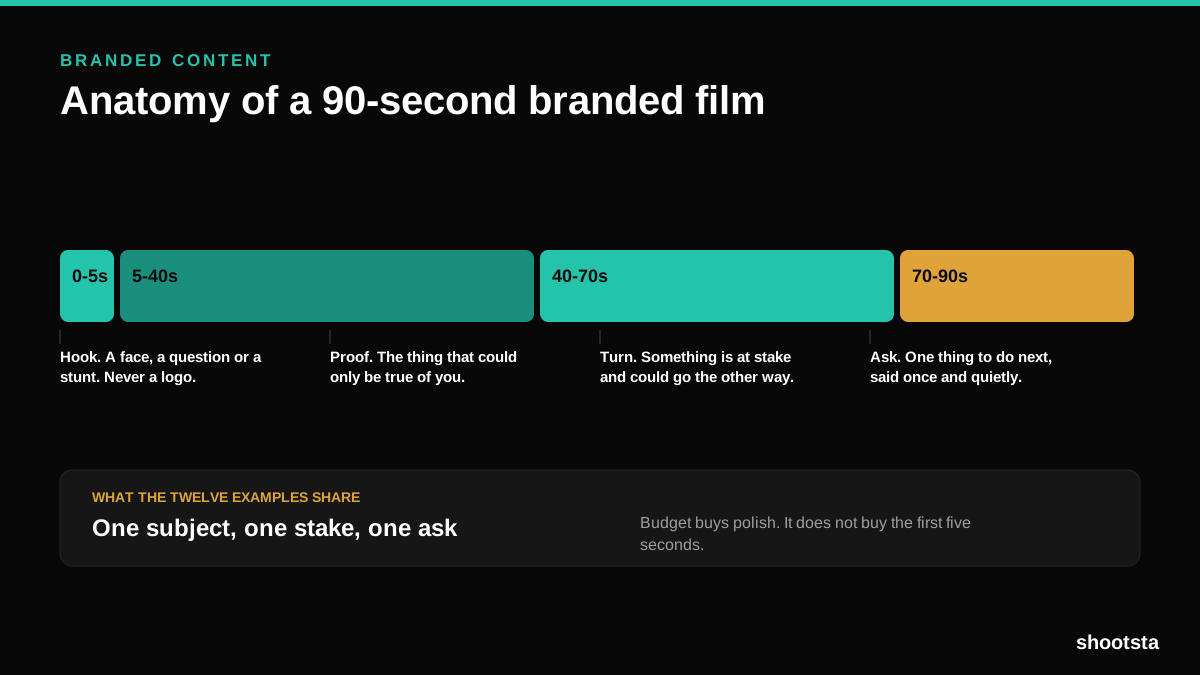
12 Branded Content Examples That Worked
Twelve pieces of branded content that people chose to watch, what each one got right, and the structure underneath all of them.
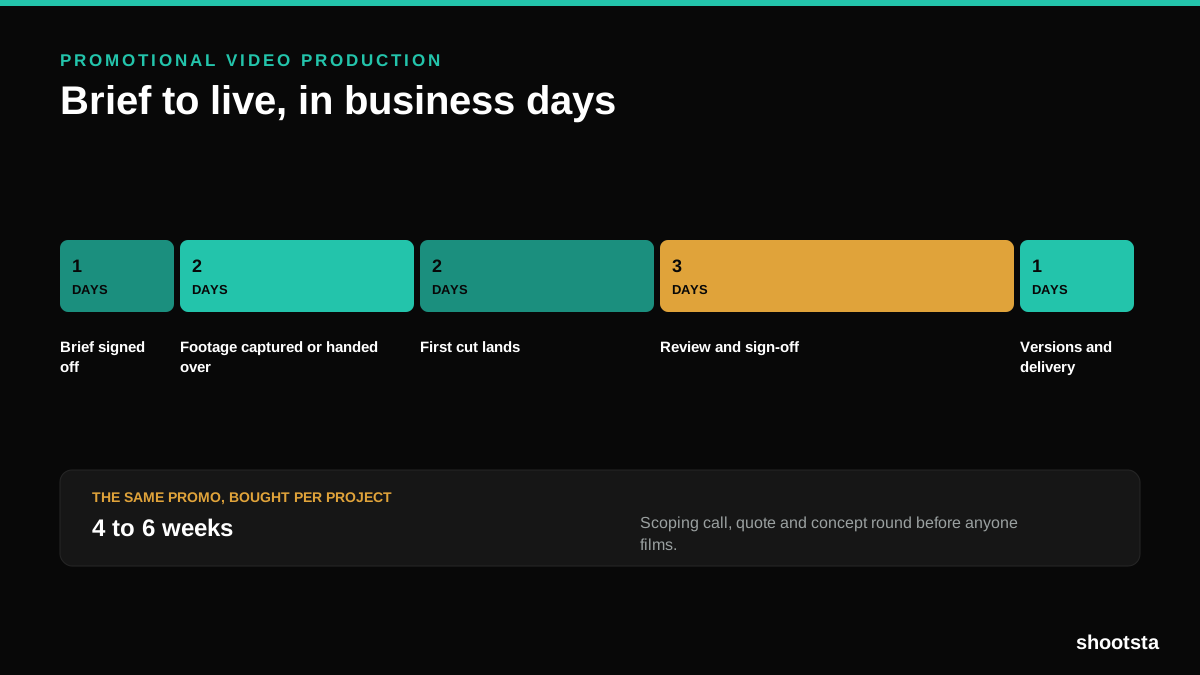
Promotional Video Production: Cost and Time
Most promotional video production schedules are not slow because of the edit. They are slow because of the approval chain. Here is where the days go.
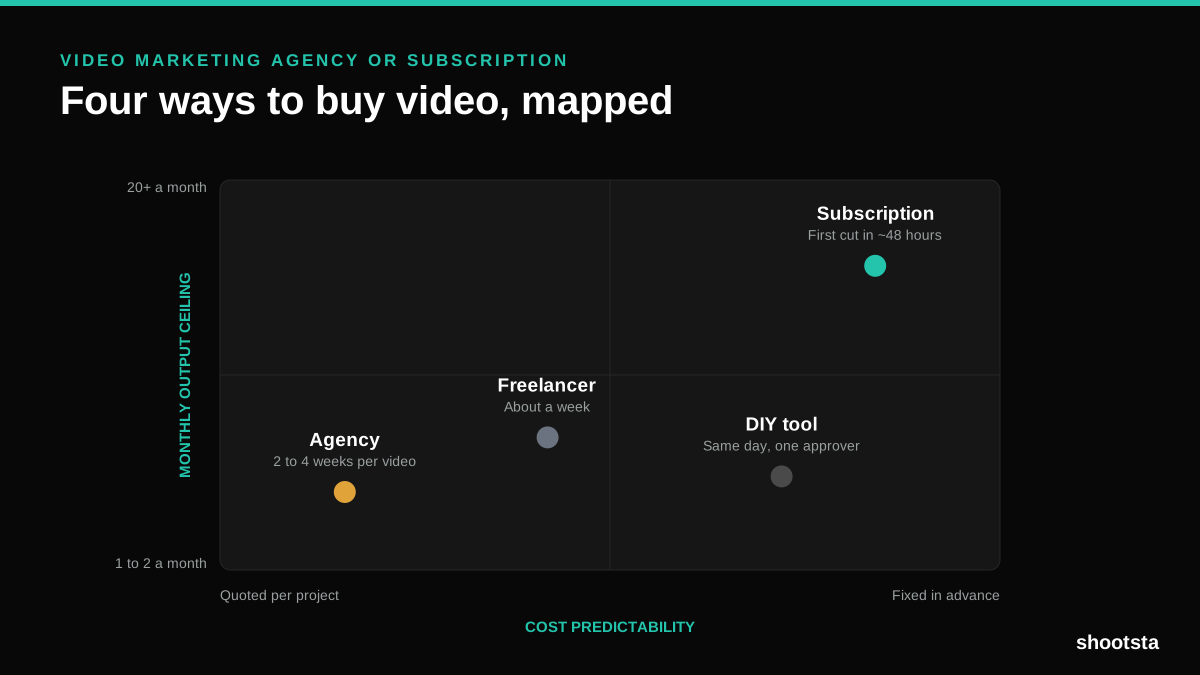
Video Marketing Agency or Subscription?
A video marketing agency prices per project and works in weeks. A subscription prices the year and works in days. Which one fits depends on how often you publish, not on which is better.

B2B Video Production: Costs and Buying Models
There are five ways to buy B2B video production. Each one works well up to a point and then breaks, usually at a volume nobody planned for. Here is what each costs and where the ceiling sits.
How to Measure Video Speed-to-Market
How to Measure Video Speed-to-Market
Speed-to-market is the lag between needing a video and publishing it. For marketing teams it is a revenue metric. Here is how to measure and improve it.