
shootsta.
Videography for Advertising: Best Practices Guide
By Mark Ashworth · Published July 10, 2025 · Updated October 2026

Master videography advertising with proven best practices. Learn marketing company video strategies that drive results and maximize advertising ROI.

Ad success today depends on video that cuts through digital noise and drives real business results. Yet a big ad budget can still buy a video that fails. When that happens, the cause is usually a focus on production polish rather than strategic messaging that changes viewer behavior.
The gap between video ads that generate leads and expensive content that gets ignored comes down to core advertising principles. These principles tie creative work to marketing goals.
Companies that get these principles right report 67% higher engagement and 45% better conversion rates compared to old-school approaches.
Performance Reality: Video ad campaigns built for business results get 3.2x better ROI than productions focused on creative awards or visual flair without clear objectives.
Understanding Modern Corporate Video Needs
Corporate video needs have changed as companies shift to digital-first communication. Today's businesses need diverse video content: executive messages, product demos, training materials, customer stories, and marketing campaigns. All of it must stay on-brand.
The old model of hiring agencies for one-off video projects can not keep up with modern speed and volume demands. Companies need production systems that support regular content creation while keeping quality and brand consistency.
Understanding Advertising Videography Fundamentals
Good video advertising balances creative storytelling with direct response principles that drive action. This balance separates successful ads from generic promo content that entertains but never converts.
The best video ads focus on solving real customer problems rather than showing off company skills. Audiences respond to content that shows you understand their challenges and offer genuine solutions.
Strategic Messaging in Video Advertising
Messaging is the foundation of effective video advertising. It decides whether your video grabs attention, builds interest, creates desire, and prompts action. Without clear messaging, even polished videos miss their goals.
Strong video ads start with audience research. You need to know specific pain points, motivations, and buying criteria. This research shapes messages that connect emotionally while giving logical reasons to act.
Essential Messaging Elements:
- Clear value proposition that speaks to specific customer needs
- Emotional hook that matches target audience motivations
- Logical benefits that justify the purchase or engagement decision
- Strong call-to-action guiding specific viewer behavior
- Social proof that builds credibility and trust
- Urgency that encourages action now rather than later
Visual Storytelling for Commercial Success
Commercial video needs visual storytelling that supports your marketing goals, with artistic choices that serve the message. Clear communication and audience engagement matter more than complex film techniques that may distract from your message.
Use composition, lighting, color, and movement to reinforce your message and guide attention toward key info and calls-to-action. This makes sure videos work even without sound or in noisy settings.
Target Audience Analysis for Video Advertising
Good video advertising starts with thorough audience analysis. You need to know demographic traits, preferences, and behavior patterns that shape how people watch and respond to video. This analysis drives creative, messaging, and distribution choices.
Success depends on knowing who your audience is and how they like to get information. Find out what drives their buying decisions and which concerns might stop them from acting. With that knowledge, your video ads can answer those concerns on screen.
Demographic and Psychographic Profiling
Detailed audience profiles let you speak directly to specific customer groups with the right message, tone, and value pitch. Generic video ads rarely match the impact of content tailored to specific audience traits.
Demographic analysis looks at the age, gender, income and location of your buyers. Psychographic profiling looks at values, interests, lifestyle, and communication styles. Both shape how audiences receive and react to your video ads.
Behavioral Pattern Analysis
Knowing when, where, and how your audience watches video helps you optimize for maximum impact. This guides decisions about video length, platform choice, messaging approach, and call-to-action timing.
Behavioral analysis covers viewing habits, device preferences, attention spans, and buying processes. This data drives smarter creative and distribution decisions.
Technical Excellence in Advertising Video Production
Professional video ads need technical skill that meets audience expectations while supporting marketing goals. Poor execution can ruin even the best messaging and hurt brand credibility.
Technical quality includes both production standards and optimization for specific platforms and viewing conditions. Video ads must work well across multiple devices and environments.
Production Quality Standards
Professional quality builds the credibility that makes ads work. Low-quality production hurts brand perception and weakens your message. Quality standards should match audience expectations and brand positioning.
Key technical elements include clear audio, sharp visuals, good lighting, steady camera work, and clean editing. These work together to create polished video that reflects your brand well.
Technical Quality Checklist:
- Crystal clear audio with professional sound design and mixing
- Sharp, well-composed visuals with appropriate lighting and color correction
- Stable camera work with purposeful movement and professional framing
- Smooth editing with appropriate pacing and clean transitions
- Optimized file formats and compression for target platforms
- Consistent brand elements including logos, colors, and visual identity
- Professional graphics and text overlays that add value and keep the eye on the message
- Quality review to make sure standards meet brand needs
Platform-Specific Optimization
Each ad platform has its own specs and creative needs. Video must be optimized for platform algorithms, audience behaviors, and technical limits that affect visibility and engagement.
Platform optimization covers aspect ratios, video lengths, caption needs, thumbnail design, and metadata. These factors improve reach and performance across channels.
Creative Strategy Development
Good video advertising needs a clear creative strategy that ties artistic vision to marketing goals. This keeps each creative choice tied to an outcome you can measure, as well as to how the ad looks.
Start with clear goals and success criteria. These guide every creative decision during production. Without this base, teams may produce great-looking content that fails to deliver business results.
Concept Development and Ideation
Smart concept development blends creative thinking with proven ad principles. The best concepts mix familiar triggers with fresh execution. They cut through ad clutter while keeping messages clear.
Test multiple creative approaches against your audience and goals before committing to full production. Testing finds the strongest directions while reducing the risk of expensive production mistakes.
Script Writing for Commercial Impact
Good ad scripts blend storytelling with direct response writing that drives action. They must engage emotions while giving viewers solid reasons to take the next step.
Strong scripts include attention-grabbing openings, clear value, solid benefits, social proof, and strong calls-to-action. Script structure has a big effect on video performance and conversion rates.
Measuring Advertising Video Performance
Good measurement drives ongoing improvement and proves video ad value to stakeholders. Track both instant engagement metrics and longer-term business impact to justify spending and guide optimization.
Success means connecting video performance to business outcomes: lead generation, sales attribution, brand awareness, and customer acquisition costs. These links show clear ROI and support continued investment.
Key Performance Indicators
Key KPIs include both platform engagement metrics and business outcome indicators. Instant metrics give feedback on content. Business indicators show strategic value and return on ad spend.
Match metrics to the specific goals of each campaign. Brand awareness campaigns focus on reach and engagement. Direct response ads focus on conversions and cost per acquisition.
Key Advertising Video KPIs:
- View completion rates and audience retention patterns
- Click-through rates and website traffic attribution
- Lead generation and conversion tracking from video campaigns
- Cost per click, cost per lead, and cost per acquisition metrics
- Brand awareness lift and message recall improvement
- Social sharing, comments, and engagement quality indicators
- Return on advertising spend (ROAS) and overall campaign ROI
- Customer lifetime value tied to video ad touchpoints
Performance Optimization Strategies
Ongoing optimization improves ad results through data-driven changes and testing. This includes both creative tweaks and distribution adjustments that boost performance over time.
Test different creative elements, messages, targeting options, and distribution tactics. Find the best combos for your audience and goals. Regular testing and tuning lift video ad performance.
Budget Allocation and Cost Management
Smart budget allocation makes video ad investments deliver top returns while keeping quality high. Understanding cost drivers and savings chances helps you spend more wisely.
Video ad budgets must balance production quality with media spend. Many companies over-invest in production while under-funding distribution. This limits reach despite great content.
Production vs. Distribution Budget Balance
Plan a share of the budget for distribution and promotion from the start, and do not spend it all on production. The right split depends on your campaign goals, audience size and competition. Paid reach is what gets a good ad in front of the people it is meant for.
Focus production spending on elements that directly improve ad performance rather than expensive techniques that look impressive but do not boost business results.
ROI Optimization Techniques
Getting the best ROI means knowing which creative and strategic elements drive the strongest results. Then you shift budget toward those elements. This takes both upfront planning and ongoing performance-based changes.
Top-performing video ads typically have clear value propositions, strong calls-to-action, real customer stories, and focus on specific problems rather than generic brand messaging.
Frequently Asked Questions
What makes advertising videography different from other types of video content?
Advertising video focuses on driving measurable business results like sales, leads, or brand awareness through strategic messaging and persuasion. Unlike educational or entertainment video, ad video prioritizes conversions, clear calls-to-action, and changing viewer behavior over pure information or creative expression.
How long should advertising videos be for maximum effectiveness?
The right length depends on the platform, the audience and your goal for the ad. Social media ads work best at 15-30 seconds. Longer ads of 60-120 seconds suit complex products or services that need more explanation.
Whatever the length, keep viewers engaged from start to finish. Cut any scene that does not help deliver your full message.
What budget should companies allocate for videography advertising campaigns?
Budgets vary based on production complexity, audience size, and goals. Companies typically put 60-70% of video ad budgets toward distribution and 30-40% toward production. Total budgets should line up with customer acquisition costs and expected return on ad spend.
How can companies measure the success of their advertising videography campaigns?
Track both engagement metrics like view completion and click-through rates, and business outcomes like lead generation, sales attribution, and return on ad spend. The metrics that matter most depend on your campaign goals - whether that is brand awareness, leads, or direct sales.
What are the most common mistakes in advertising videography production?
Common mistakes include focusing on production quality over clear messaging, making generic content without targeting a specific audience, weak or missing calls-to-action, putting too little budget toward distribution, and not optimizing for specific platforms.
Strategic Advantages of Professional Advertising Videography
Companies with a systematic approach to video ads gain real competitive advantages through better communication, stronger customer engagement, and measurable business results.
Proven Business Benefits:
- Conversion Improvement: Professional video ads increase conversion rates by 67% versus amateur production
- Brand Recognition: Consistent video ads build brand awareness 89% faster than text-based campaigns
- Customer Engagement: Video ads generate 73% more qualified leads than static ads
- Cost Efficiency: Systematic video ad production cuts customer acquisition costs by 34%
- Competitive Edge: Professional video sets brands apart in crowded markets and builds stronger customer ties
Smart video advertising also builds long-term brand equity, higher customer lifetime value, and a stronger market position that supports growth.
ROI and Business Impact Analysis
Companies investing in professional video ads report average ROI gains of 52% within six months. This comes from better targeting, stronger messaging, higher production quality, and smarter distribution.
The business impact goes beyond ad metrics. It includes a better brand reputation, improved customer relationships, and stronger market position that supports long-term growth.
Quantifiable Business Results:
- 52% improvement in ad ROI within six months
- 67% increase in lead quality and conversion rates
- 34% reduction in customer acquisition costs
- 89% faster brand recognition and awareness
- 73% improvement in campaign engagement and response rates
Implementation Strategy and Best Practices
Successful video ad programs combine creative quality with strategic marketing and performance tracking. This mix makes sure spending delivers measurable business value.
Start with clear goals, thorough audience research, and strategic planning. Then align each creative concept with a business goal. This step prevents costly mistakes and keeps video ads in sync with your broader marketing.
Strategic Planning Framework
Good planning covers audience analysis, competitive research, messaging strategy, concept testing, and measurement setup - all before you start production. This prep greatly improves campaign success and ROI.
Also think about long-term brand building alongside instant response goals. This creates video ads that deliver both quick results and lasting competitive strength.
Production Workflow Optimization
Simplified workflows cut costs while keeping quality high. Good workflows include solid pre-production planning, efficient shoot schedules, organized post-production, and quality checks for consistent output.
Your editors need room to be creative, and the workflow needs to stay efficient. You want high-quality video ads that stay within budget and timeline limits.
Videography Advertising Readiness Assessment
Check your readiness for effective video advertising:
Rate Your Current Capabilities (1-5 scale):
- Strategic Foundation: Clear ad goals and target audience understanding
- Creative Resources: Access to professional creative talent and production
- Technical Setup: Equipment and software for professional video production
- Budget Planning: Proper resource split between production and distribution
- Performance Tracking: Systems to measure video ad results and ROI
- Brand Consistency: Guidelines and processes keeping brand standards across all video
- Distribution Strategy: Clear plans for ad placement and audience targeting
- Optimization Skills: Processes for testing and improving video ad performance
- Team Knowledge: Internal understanding of video ad best practices and trends
- Competitive Awareness: Understanding of market conditions and competitor video ads
Assessment Results:
- 40-50 points: Great base for advanced video ad programs
- 30-39 points: Good basics needing targeted improvements
- 20-29 points: Gaps that need planned development and investment
- Below 20 points: Basic needs must be met before launching video ad campaigns
Next Steps for Advertising Video Success
Start with a full audit of your current video ad needs, available resources, and goals. Find the highest-impact chances for video advertising. Prioritize efforts that deliver fast value while building long-term skills.
Build an implementation plan that covers immediate needs while creating lasting video ad abilities. Include specific timelines, resource needs, and success metrics to track progress.
Action Plan for Implementation
- Goal Setting: Set clear, measurable goals for video ad campaigns
- Audience Research: Run thorough analysis of target customer traits and preferences
- Creative Strategy: Build messaging and concepts tied to business goals
- Production Planning: Set resource needs and quality standards
- Distribution Strategy: Pick the best platforms and targeting for maximum reach
- Measurement Setup: Put tracking in place for full performance analysis
- Team Growth: Build internal skills for ongoing video ad management
Transform Your Advertising Video Strategy
Shootsta helps companies create professional video ads that drive real business results through smart creative work and organized production. Our platform combines human creativity with AI tools to deliver quality ad video content that hits marketing goals fast.
Full Advertising Video Solutions:
- Strategic creative work that ties artistic vision to business goals
- Professional production delivering polished ad content in 24-48 hours
- Performance tools that maximize video ad results and ROI
- Scalable workflows supporting ongoing video ad campaign needs
- Built-in measurement and analytics showing clear business value
Get Better Ad Results: From concept through optimization, Shootsta helps companies make video ads that cut through noise and drive meaningful business results.
A partner who plans each ad around a business goal can help you improve your video advertising. Contact Shootsta to learn how our platform helps you create ad video that hits your marketing goals while getting the most from your ad spend.
Keep reading
Take this article with you
Read the latest at shootsta.com/blog/videography-advertising-best-practices
You might also like
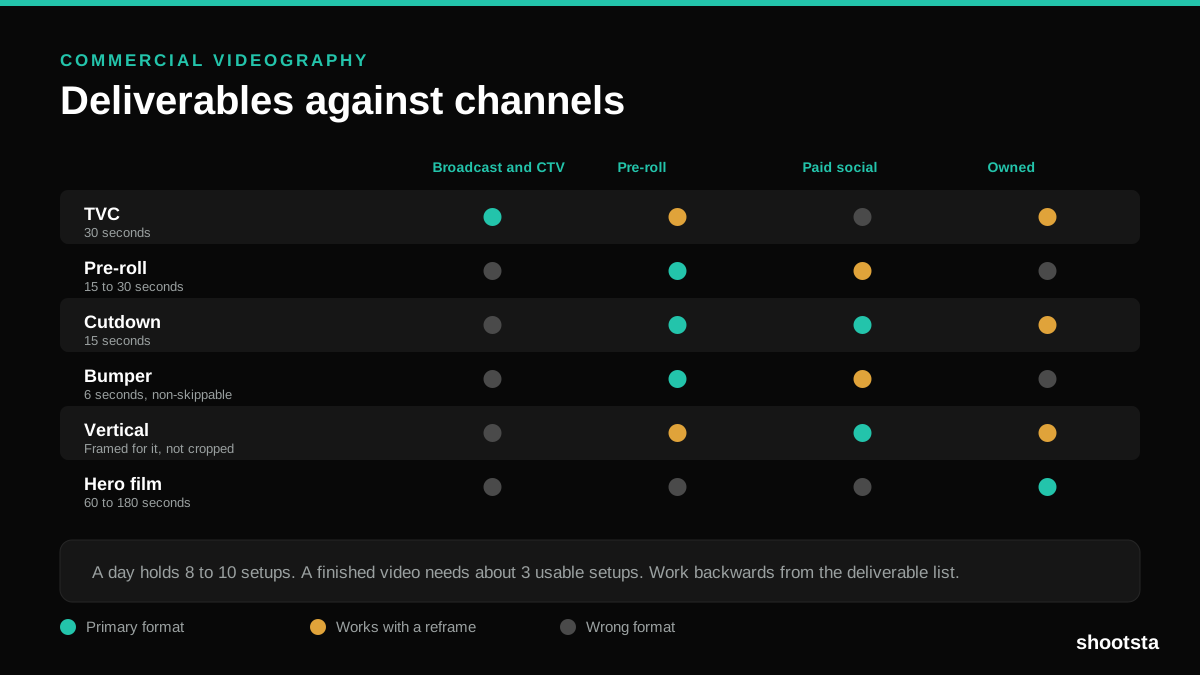
Commercial Videography: Cost and Scope
Commercial videography is priced by the day and judged by the deliverable. Most projects go wrong because those two numbers were never reconciled.
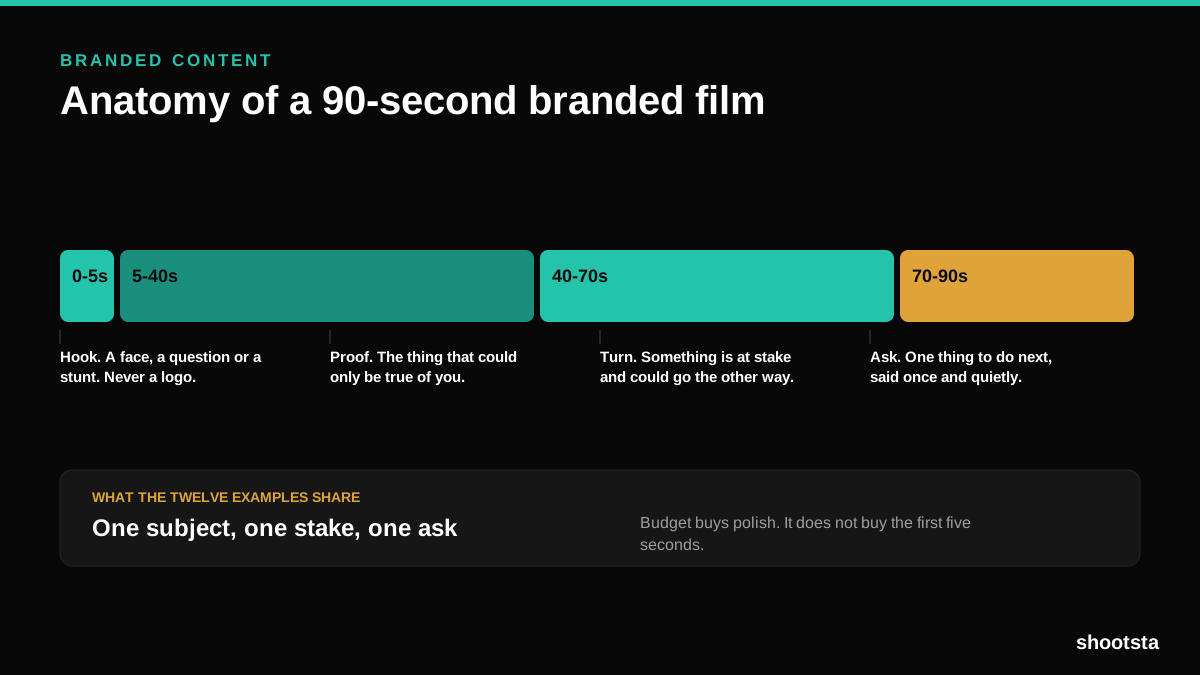
12 Branded Content Examples That Worked
Twelve pieces of branded content that people chose to watch, what each one got right, and the structure underneath all of them.
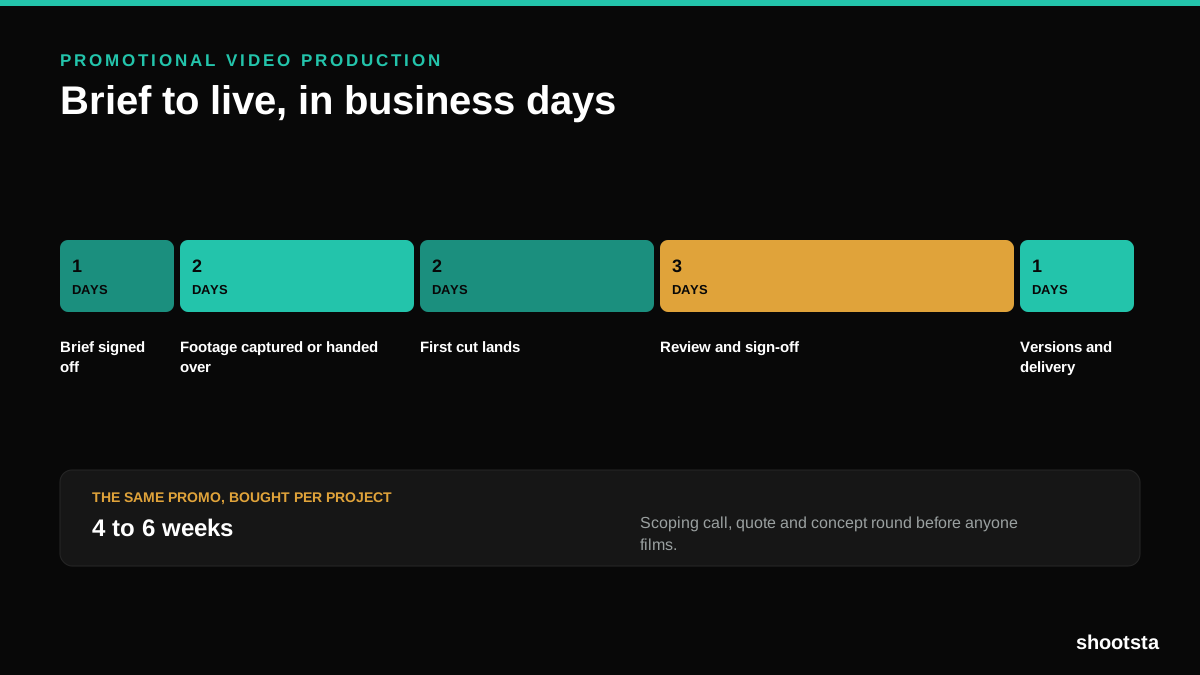
Promotional Video Production: Cost and Time
Most promotional video production schedules are not slow because of the edit. They are slow because of the approval chain. Here is where the days go.
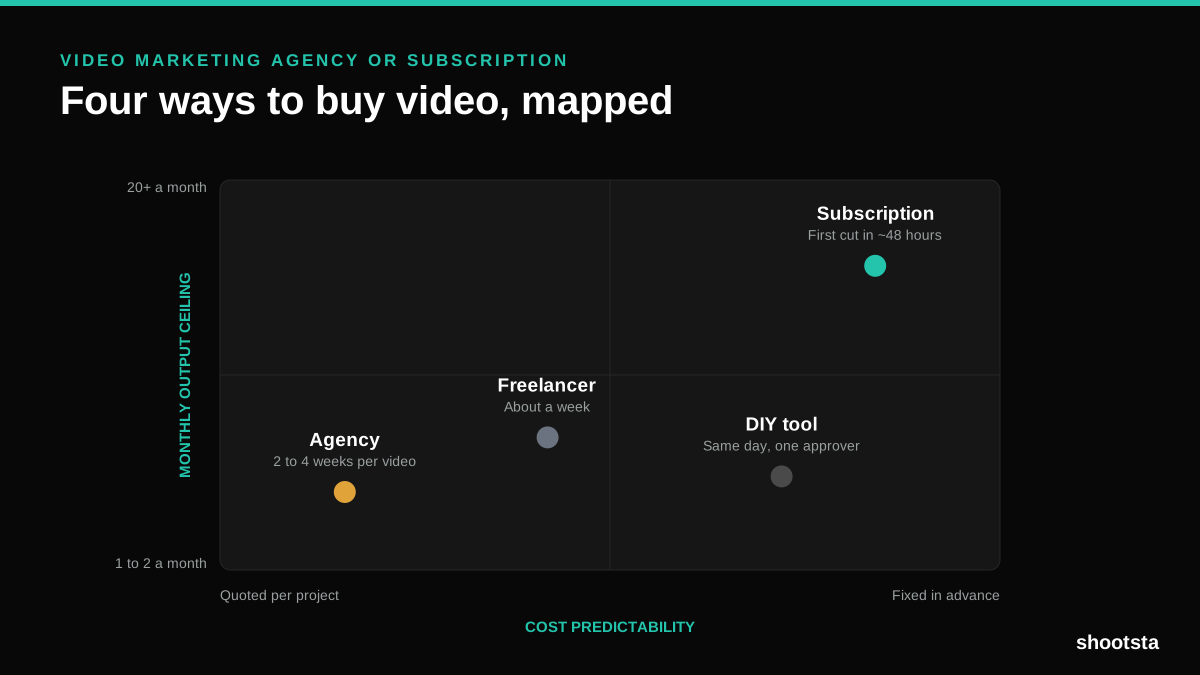
Video Marketing Agency or Subscription?
A video marketing agency prices per project and works in weeks. A subscription prices the year and works in days. Which one fits depends on how often you publish, not on which is better.

B2B Video Production: Costs and Buying Models
There are five ways to buy B2B video production. Each one works well up to a point and then breaks, usually at a volume nobody planned for. Here is what each costs and where the ceiling sits.
How to Measure Video Speed-to-Market
How to Measure Video Speed-to-Market
Speed-to-market is the lag between needing a video and publishing it. For marketing teams it is a revenue metric. Here is how to measure and improve it.