
shootsta.
Social Media Video: Platform-Specific Strategy
By Mark Ashworth · Published August 14, 2025 · Updated October 2026
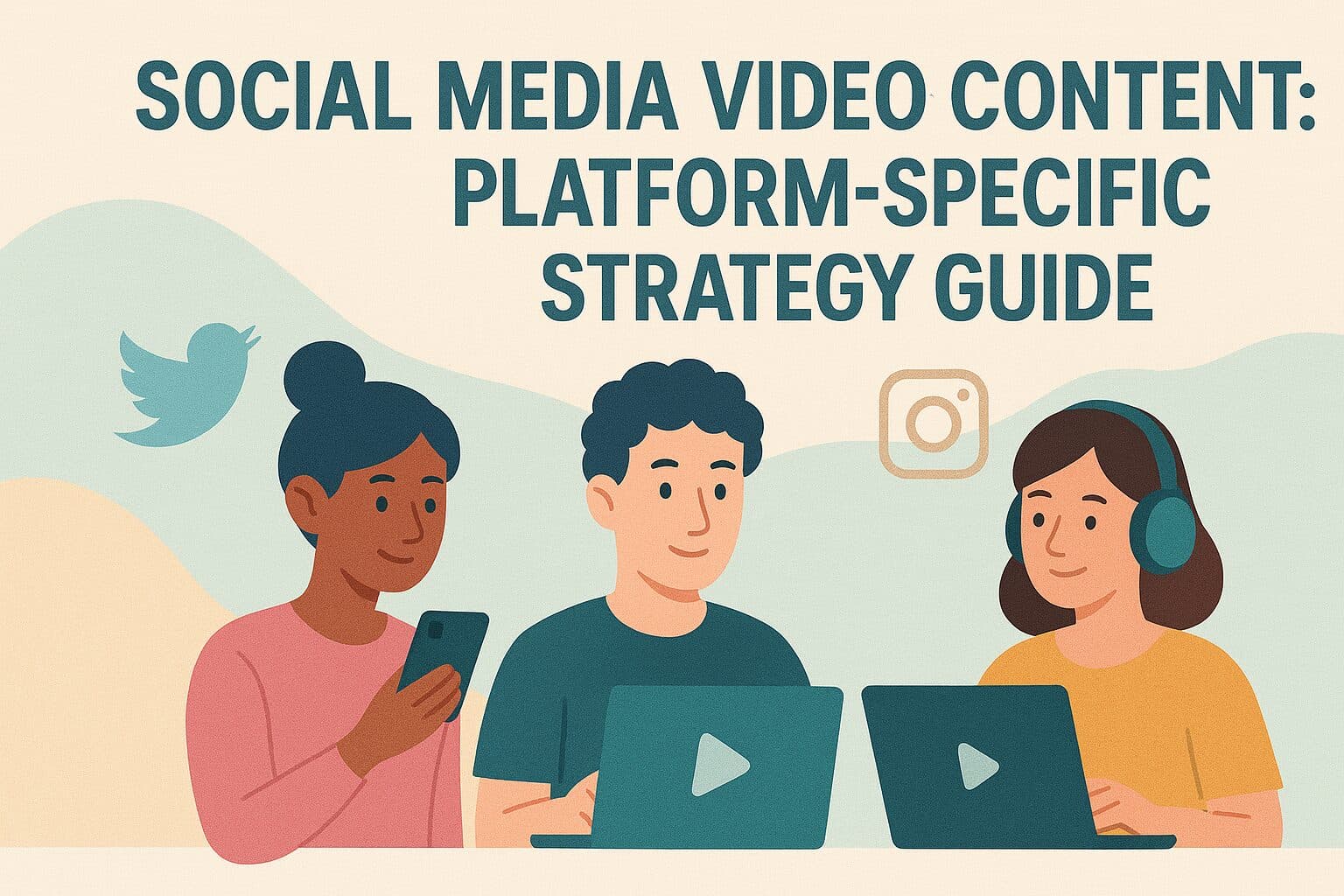
Master platform-specific social media video content strategies that drive engagement across LinkedIn, Instagram, Facebook, YouTube, and TikTok for business success.
Understanding Social Media Video Content Strategy
A good social media video content strategy keeps your brand consistent while each video meets its platform's specs, format and audience. To plan a business social media strategy, start with how each algorithm favors native uploads. Audiences also differ from channel to channel. Technical details, from aspect ratio to caption placement, change how a video performs.Why Platform-Specific Strategy Matters
Generic social media video content falls flat because people expect a different tone on each platform. The algorithms also push native uploads, so a clearly cross-posted video gets less reach. Platform-specific corporate social video does better because it fits what users expect when they open the app. It meets the specs, and its message suits the mood people are in on that channel. Platform Differentiation Requirements- Audience Mindset: Users consume content differently on professional LinkedIn versus entertainment-focused TikTok requiring tone adjustments
- Technical Specs: Aspect ratios, file sizes, duration limits, and caption requirements vary significantly across platforms
- Algorithm Preferences: Each platform prioritizes native uploads, engagement patterns, and content types differently
- Content Formats: Stories, reels, posts, and live streaming serve different purposes across platforms
- Engagement Behaviors: How audiences interact with content through comments, shares, and saves differs by platform
- Discovery Methods: Content discovery through hashtags, search, recommendations, or connections varies significantly
LinkedIn Video Strategy for Business
LinkedIn favors thought leadership, industry insight and business stories. People browse it during the working day, looking for useful information more than entertainment. Corporate social video on LinkedIn works best when it gives the viewer something to use, such as an expert view, a case study or a practical tip. Keep the tone professional.LinkedIn Video Best Practices
LinkedIn video does well when executives speak plainly and employees tell their own stories. Teaching something shows your expertise, while heavy sales messages get scrolled past. Feed videos on LinkedIn usually run 30-90 seconds, and in-depth thought leadership can run 3-10 minutes. Use a square or vertical frame for mobile, and add captions for people watching with the sound off. LinkedIn Content Approach- Thought Leadership: Executives share their view on industry trends, which builds your authority
- Behind-the-Scenes: A real look at your workplace culture, which helps you attract talent
- Educational Content: Practical tips and advice that are useful without a sales pitch
- Employee Stories: Team members in the spotlight, which builds your employer brand
- Product Education: Feature explanations and use cases for B2B buyers who are researching options
- Event Coverage: Conference highlights that show your company is active in its market
For a complete breakdown of LinkedIn video formats, posting cadence, and measurement, see our LinkedIn video strategy hub. We also cover building a thought leadership video program on LinkedIn and using employee advocacy video on LinkedIn.
Instagram Video Strategy for Visual Storytelling
Instagram is a visual platform. People browse Reels, Stories and feed posts in their downtime and expect video that looks good. Social media video content on Instagram needs a strong visual identity and a hook that grabs attention fast. Use Reels and Stories, and keep the brand look the same across both.Instagram Format Optimization
Reels are how new people find you. The algorithm pushes Reels under 90 seconds that entertain, teach or join a trend. Shoot in vertical 9:16 and use trending audio when it suits your brand. Stories let you show up every day with quick brand moments and behind-the-scenes glimpses. Polls and question stickers invite replies and build a relationship over time. Instagram Video Formats- Reels: Short vertical videos (15-90 seconds) built for discovery and entertainment
- Stories: Daily clips (15 seconds each) that disappear and keep people coming back
- Feed Videos: Polished square or vertical videos (3-60 seconds) that keep your grid on brand
- IGTV/Long-Form: Longer videos (1-15 minutes) for in-depth stories and teaching
- Live Video: Real-time sessions where you can talk with your audience directly
Facebook Video Strategy for Community Building
Facebook takes everything from short clips to long-form video. Its feed favors posts that start conversations among friends, family and interest groups. A business social media strategy on Facebook mixes promotion with useful how-to videos and community stories. The audience spans a wide age range, so let your brand's personality show in a way that suits it.Facebook Video Optimization
Upload video to Facebook directly, because the algorithm ranks native uploads above shared links. Use a square or vertical frame for the mobile feed, and add captions for sound-off viewing. Facebook videos can run from 15 seconds up to 3-5 minutes for a fuller story. Whatever the length, say what the viewer gets in the first few seconds so they stop scrolling. Facebook Content Strategy- Educational Content: How-to videos and tutorials that people save and share
- Customer Stories: Testimonials and case studies that build trust because the praise comes from your customers
- Live Streaming: Real-time Q&A sessions, events and behind-the-scenes moments where viewers can talk back
- Community Content: Posts made by your users and spotlights on your customers
- Product Demonstrations: Feature walkthroughs and use cases for people weighing up a purchase
YouTube Strategy for Long-Form Content
People come to YouTube looking for something, through search or a recommendation. They will sit through a longer video if it covers the topic in depth. Corporate social video on YouTube builds thought leadership through tutorials, webinars, product demos and teaching series. Over time these build subscribers who come back for more.YouTube Optimization Tactics
YouTube is a search engine, so write titles, descriptions and tags around the words your audience types. The thumbnail decides whether people click, and the opening seconds decide whether they stay. Videos of 7-15 minutes tend to do well on YouTube. Shorter tutorials of 3-5 minutes and longer in-depth videos of 20-45 minutes also have a place when the topic calls for them. YouTube Best Practices- SEO Optimization: Titles, descriptions and tags that use the words people search for
- Thumbnail Design: Custom thumbnails with clear text and a strong image that earns the click
- Content Series: Playlists and recurring formats that grow subscribers and watch time
- Value Delivery: Enough useful detail to reward a viewer for giving you ten minutes
- Call-to-Actions: Clear CTAs that ask for a subscribe, a site visit or the next video
- Consistent Schedule: A regular upload day, so the algorithm and your audience know when to expect you
TikTok and Short-Form Video Strategy
TikTok's algorithm ranks a video on how people respond to it, so even a new account can reach a big audience. Users scroll for fun and expect videos that feel creative and often funny. A business social media strategy on TikTok has to fit a culture where personality counts for more than polish. Join trends when they suit you and keep a brand voice that sounds human to a younger audience.TikTok Business Content Approach
Business videos on TikTok work when they teach something or show what goes on behind the scenes. Employees with big personalities help, while stiff corporate messages get skipped. Shoot TikTok videos in vertical 9:16 and keep them to 15-60 seconds. Open with a strong hook and present the way people on the platform talk, which is far looser than a corporate update.Cross-Platform Content Adaptation Strategy
An efficient social media video content strategy takes one core idea and adapts it for each platform, instead of starting from scratch for every channel. Adapting well starts before the shoot. Capture several shapes and lengths on the day, so the editor can cut a version for each platform without losing quality.Strategic Content Planning
Plan each shoot to capture horizontal, square and vertical framing at once, and let the camera roll longer than you need. Then the editor can cut anything from a 15-second clip to a 5-minute version. At the planning stage, pick the messages that can travel across platforms and the ideas that belong on one channel only. A trend-based TikTok rarely works on LinkedIn. Adaptation Framework- Core Concept: One central message or story that each platform version is built from
- Format Capture: Several aspect ratios and framings shot on the day so the footage can be reused
- Duration Variants: Enough footage to cut short, medium and long edits
- Platform Customization: Captions, graphics and wording changed to suit each platform and its audience
- Technical Optimization: File specs, thumbnails and metadata set for each platform
- Performance Tracking: Analytics for each platform that shape what you make next
Frequently Asked Questions
How much should businesses invest in platform-specific social media video content?
Your social media video content budget depends on how often you post, the production level you need and how many platforms you cover. Two or three main platforms cost far less than a weekly program on every channel. A simple talking-head edit sits at the low end and a crewed shoot with motion graphics at the high end. Customers who move agency work to Shootsta pay 50-60% less per video. Spend most of the budget where your audience is active, rather than spreading it thin.Which social media platforms should businesses prioritize for video content?
The right platforms depend on who your audience is, what you want to achieve and how much your team can produce. B2B companies usually start with LinkedIn for professional audiences and add YouTube for teaching and thought leadership. B2C brands often focus on Instagram and TikTok to reach younger people, or Facebook for a wider age range. You will usually get more from two or three platforms with steady, good video than from every platform with too little behind it. To choose, look at where your audience spends time, which platforms serve your goals and where your competitors have built a following.How can businesses measure social media video content success?
Start with each platform's own metrics: views, completion rate, likes, comments, shares, follower growth and clicks to your site. Then track business results, such as leads, traffic from social and conversions you can trace to a post. Audience insights show who is watching, which helps you plan the next video. Compare platforms to see which return the most, and move budget toward them. Set a baseline and track change over time, so a spike in views doesn't distract you from business results.What are common mistakes businesses make with social media video content?
The most common mistake is posting the same file on every platform without changing it. Others include putting polish ahead of usefulness, posting on an irregular schedule and pushing sales messages with nothing to learn from them. Many businesses also ignore native features like Stories and Reels, skip captions for people watching with the sound off, and leave comments unanswered. A few more traps are chasing trends that don't fit the brand, expecting results in the first week and spreading the budget across too many platforms. You can avoid most of these with a plan, a version cut for each platform and a schedule your team can keep.How often should businesses post social media video content?
How often you post depends on each platform's algorithm, how much good video you can make and what your audience expects. LinkedIn works well with 2-4 posts a week. Instagram rewards daily Stories plus 3-5 feed posts or Reels a week, and Facebook does well with 3-5 posts a week. YouTube needs a steady schedule, whether that is weekly or every second week, and TikTok favors daily posting if you can keep it up. Quality beats volume, so two useful videos a week will do better than seven weak ones. Pick a pace your team can hold without the standard slipping. Then check your analytics to find the best days, times and frequency for each audience.Social Media Video Content Readiness Checklist
Use this list to check whether your social media video strategy is ready to run: Strategic Foundation- You have chosen priority platforms based on where your audience is and what the business needs
- A content calendar keeps posting steady across those platforms
- Each platform has its own plan that reflects its specs and its audience
- You have agreed the success metrics you will measure
- The budget and team time match the quality and frequency you have planned
- Shoots capture several formats and aspect ratios so each video can be adapted
- Each idea keeps the brand consistent and still suits the platform it is made for
- Your quality standard looks professional and is one the team can keep up
- Captions and other accessibility features are added for people watching with the sound off
- Your brand guidelines say how tone and presentation change from platform to platform
- Analytics are set up on every platform you post to
- You review results on a regular schedule and change the plan based on them
- Someone watches the comments and replies, so a community can form
- Someone tracks algorithm changes and adjusts the plan when reach drops
Transform Your Social Media Video Performance
Shootsta helps your team make social media video content cut for each platform. Our editors work alongside your in-house team, so you can post high-quality video on your priority channels every week without hiring. Complete Social Video Solutions:- Advice on a plan for each platform, built around the engagement and business results you need
- Shoots and edits that deliver several formats and lengths from the same footage
- Professional editing that keeps to your brand standards on every platform
- A first cut in about 48 hours, so you can keep to a regular posting schedule
- Performance insights that feed into the next round of videos
Keep reading
Take this article with you
Read the latest at shootsta.com/blog/premier-social-media-video-content-strategy
You might also like
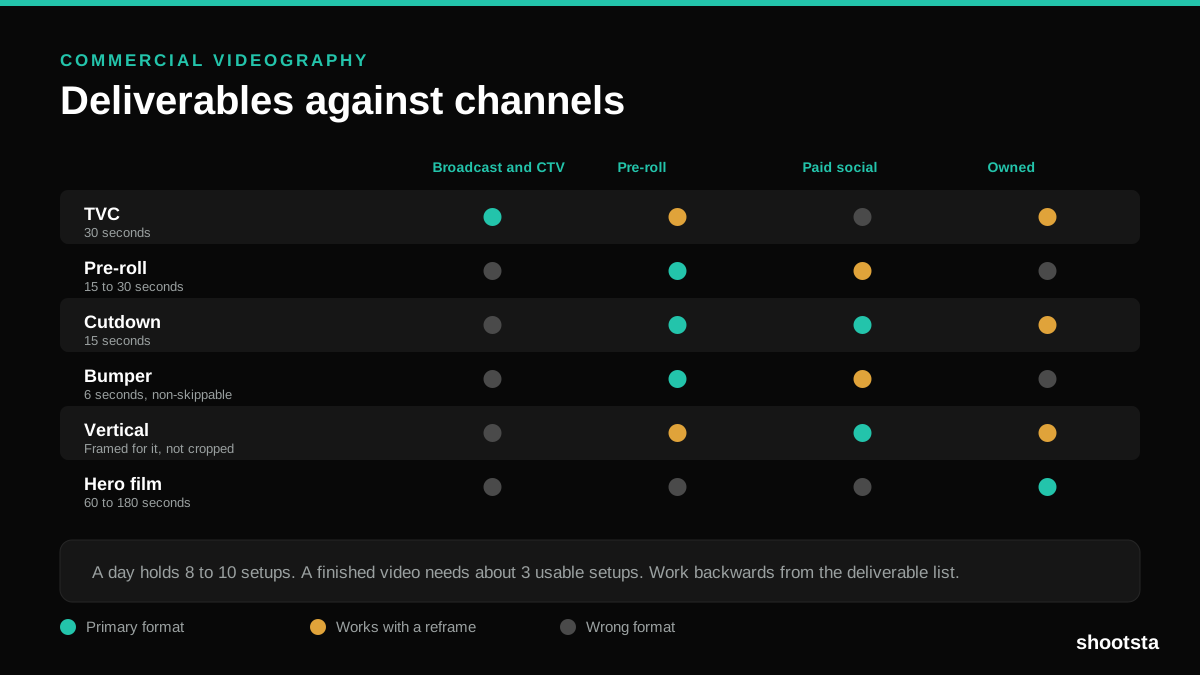
Commercial Videography: Cost and Scope
Commercial videography is priced by the day and judged by the deliverable. Most projects go wrong because those two numbers were never reconciled.
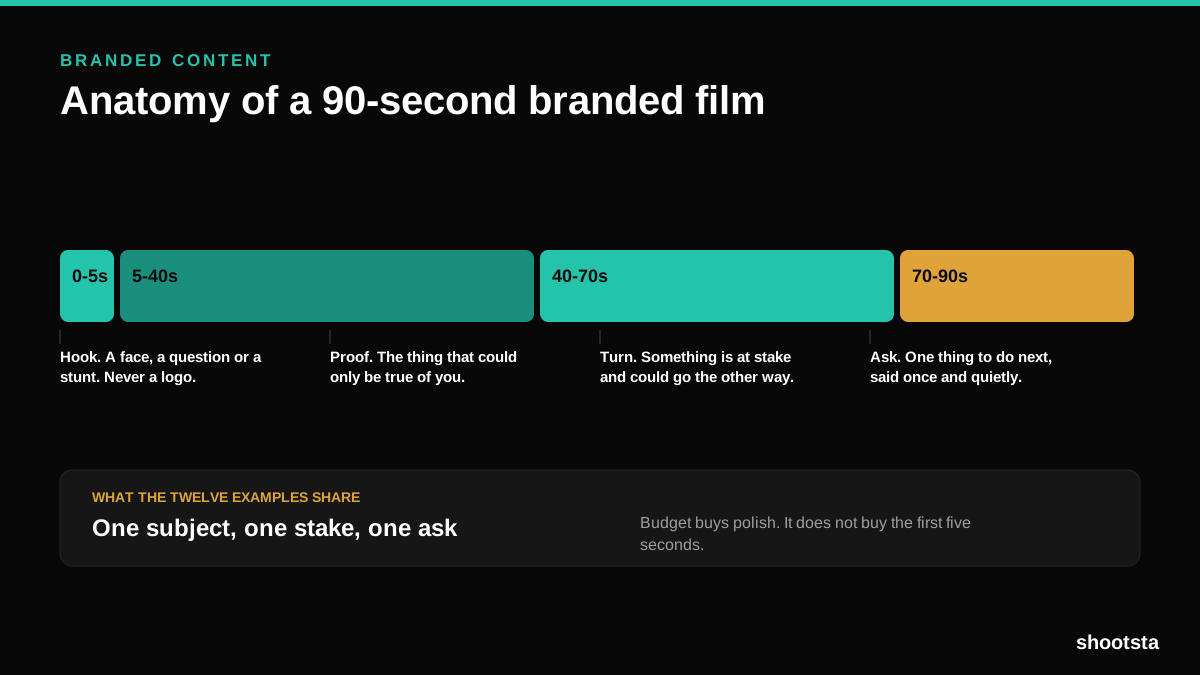
12 Branded Content Examples That Worked
Twelve pieces of branded content that people chose to watch, what each one got right, and the structure underneath all of them.
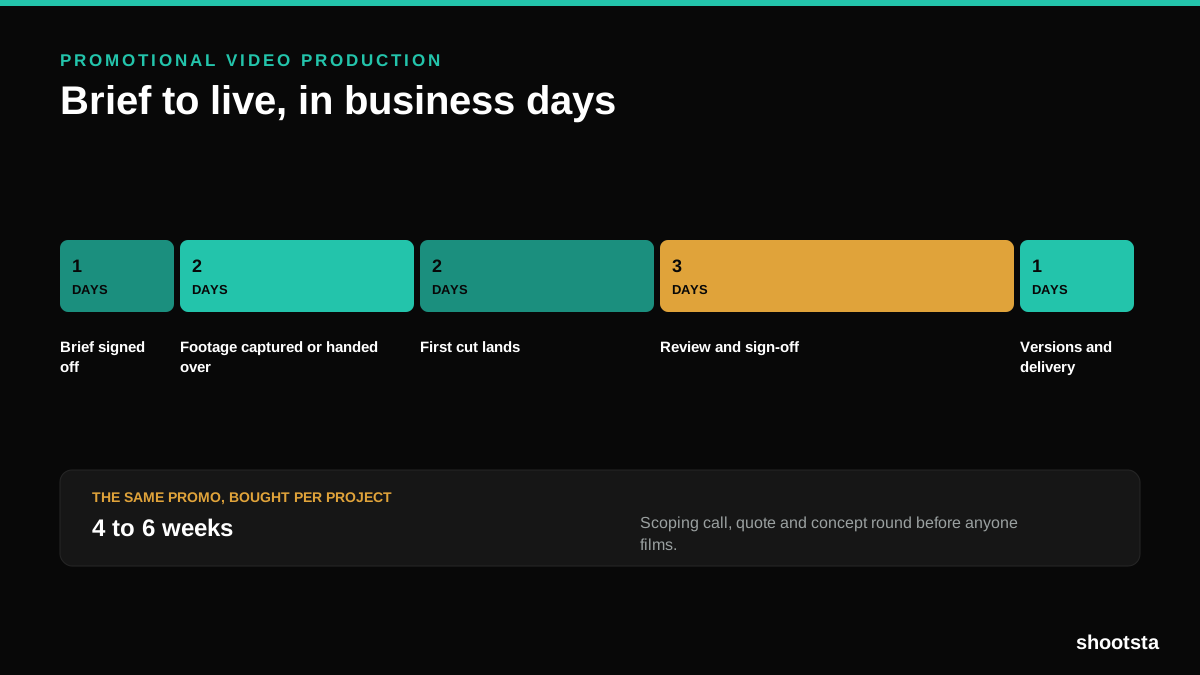
Promotional Video Production: Cost and Time
Most promotional video production schedules are not slow because of the edit. They are slow because of the approval chain. Here is where the days go.
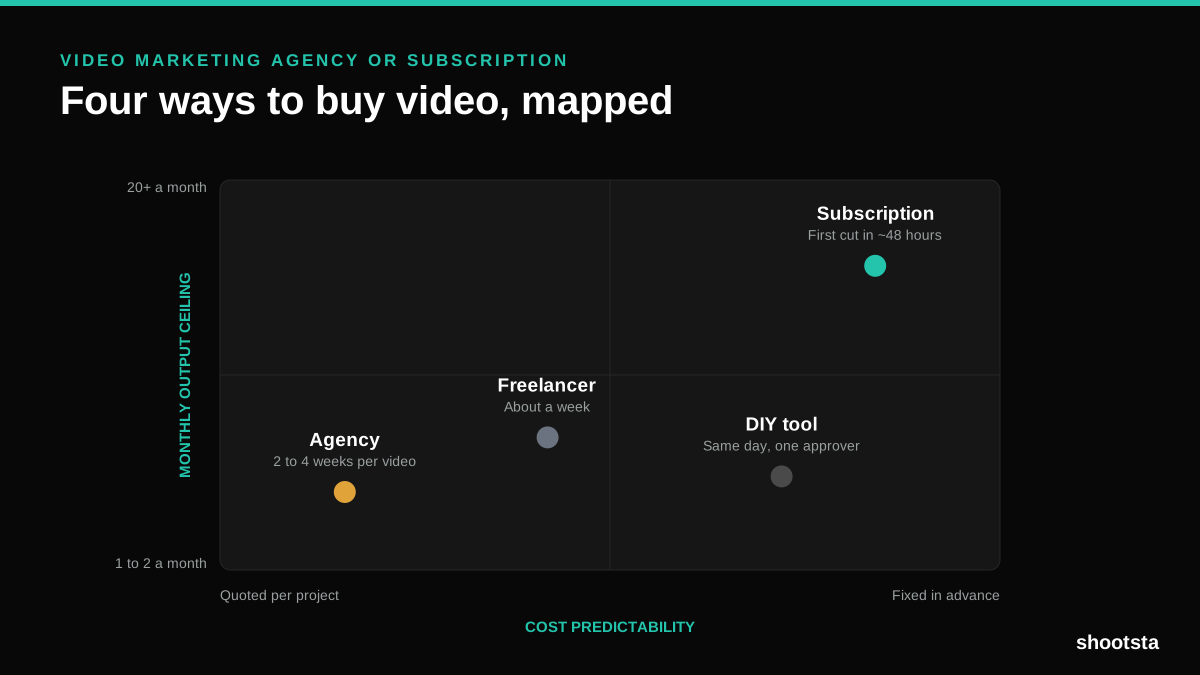
Video Marketing Agency or Subscription?
A video marketing agency prices per project and works in weeks. A subscription prices the year and works in days. Which one fits depends on how often you publish, not on which is better.

B2B Video Production: Costs and Buying Models
There are five ways to buy B2B video production. Each one works well up to a point and then breaks, usually at a volume nobody planned for. Here is what each costs and where the ceiling sits.
How to Measure Video Speed-to-Market
How to Measure Video Speed-to-Market
Speed-to-market is the lag between needing a video and publishing it. For marketing teams it is a revenue metric. Here is how to measure and improve it.