
Video Isn't a Campaign, It's a Capability
shootsta.
Video Isn't a Campaign, It's a Capability
By Shootsta · Published July 27, 2026 · Updated October 2026
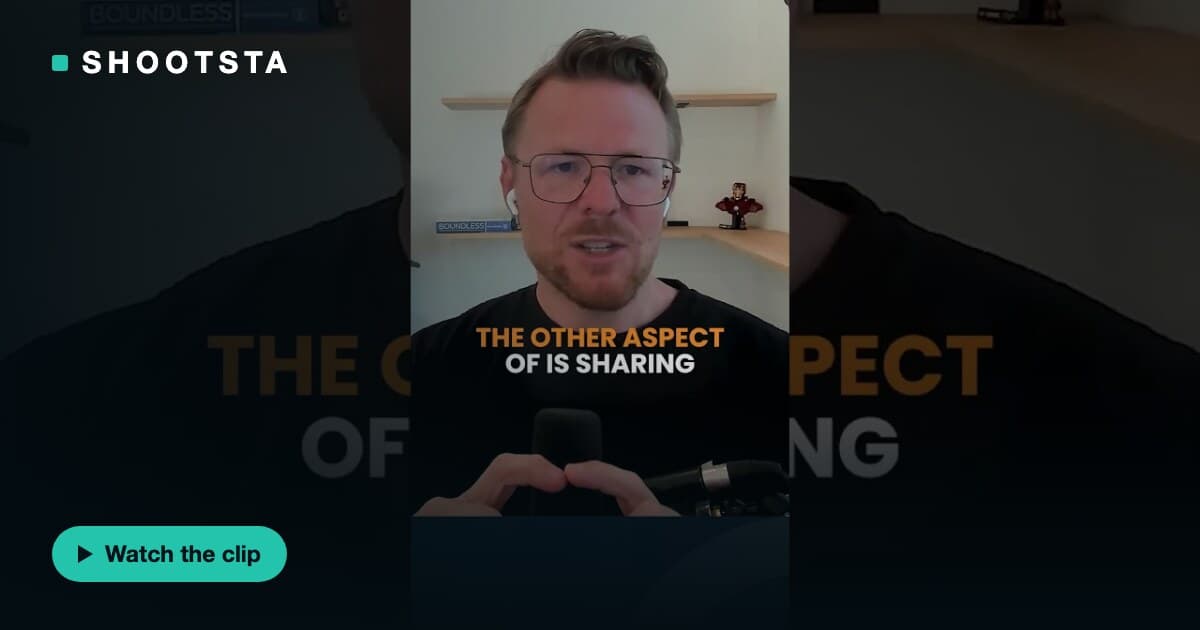
Chad Lakin, Senior Vice President of Growth at Shootsta, explains why the teams getting real results from video have built a repeatable capability rather than run another campaign, and the three habits that make it work.
Every marketing leader wants better results from video. The teams that get them have stopped chasing more output and started building better systems for making it.
That is the thread Chad Lakin, Senior Vice President of Growth at Shootsta, pulls on in the clip below, walking through what separates enterprise teams that scale video from the ones that stall. His point is that video works best as a capability you build and keep, rather than a campaign you run once and close.
Watch the clip above, then read the three patterns we see over and over in high-performing teams.
What does treating video as a capability mean?
A campaign has a start and an end. You brief it, run it, measure it and move on. A capability works another way, as a repeatable system for producing, approving and publishing video that any part of the business can draw on every week. Output keeps flowing after a single project wraps.
The distinction changes where you invest. Campaign thinking spends on one flagship video and hopes it lands. Capability thinking spends on the process, the enablement, and the platform that let you make the next hundred videos without starting from scratch.
Three habits of teams that scale video
Across more than 70,000 video projects for global brands, the same three habits show up in the teams that pull ahead.
They test and measure relentlessly
Winning teams treat every video as an input to a number they care about: view-through rate, lead conversion, sales cycle length, training completion. They know which hook, length, and thumbnail works because they check. When a video underperforms, they treat the result as data and adjust the next one. If you are still guessing, start with the B2B video ROI KPIs that actually matter and pressure-test the numbers with the video ROI calculator.
They enable teams beyond marketing to create content
The best video operations do not sit inside one department. They give sales, internal comms, product, and L&D a safe way to create on-brand video without a producer in the room for every clip. Templates, brand guardrails, and a fast edit turnaround make that possible. Marketing sets the standard, and everyone else gets to contribute inside it. The trick is keeping brand consistency as video scales, so more creators never means messier output.
They stay consistent, even when a piece misses
Not every video performs, and the teams that win expect that. They keep publishing anyway, because regular output builds on itself over time. An audience that hears from you every week is worth far more than one big launch followed by six months of silence. The teams that quit after a single failed experiment never give the capability time to pay off.
What a video capability looks like in practice
A video capability is an operating model that covers your process as well as your platform. We describe it as Peak, Pulse, and Presence. Peak is your flagship, high-craft work: the brand films worth going big on. Pulse is the steady drumbeat of hub content that keeps audiences engaged between peaks. Presence is the always-on help content, the explainers and updates your teams need on demand.
It is easy to over-invest in Peak and neglect the other two. A real capability runs all three at a cost and speed that make regular publishing sustainable. That usually means a managed partner and a platform working together: an enterprise video editing service that turns raw footage into finished video in about 48 hours, so your team can film on Monday and publish by Wednesday. We break the full system down in the enterprise video operating model.
The goal is to operationalize video across every business touch-point, from the sales call to the town hall to the onboarding module, so the value keeps compounding well past any single quarter.
Frequently asked questions
Is video a campaign or a capability?
Both can be true, but they scale very differently. A campaign is a finite project with a start and an end date. A capability is the repeatable system that lets you produce video on demand across the business. High-performing teams treat campaigns as outputs of a capability they have already built.
How do enterprise teams scale video without losing brand consistency?
They set clear templates, brand guidelines, and approval guardrails, then let teams outside marketing create inside those rules. A fast, tailored edit process keeps quality high even when the raw footage comes from a phone. The standard is written into the system, so it does not depend on one person remembering it.
How long does it take to produce a professional video at scale?
With a managed edit workflow, finished video can come back in about 48 hours from footage to final cut. That turnaround is what makes consistent, high-volume publishing realistic for a busy enterprise team.
If you want to turn video from a campaign into a capability, Book a video strategy call and we will map the system to your team.
Take this article with you
Read the latest at shootsta.com/blog/video-isnt-a-campaign-its-a-capability
You might also like

How to Plan Video Team Capacity Around Leave
Your only editor just booked two weeks off, and you already know which projects will slip. Chad Lakin explains how to plan video team capacity so the work keeps moving when someone is away.
Corporate Video Editing Standards: Full Guide
A two-page editing standard does more for consistency than a forty-page brand book. Here is what it should cover, who owns each part, and how to enforce it with an in-house editor or an outside partner.
Quality Control in Outsourced Video Editing
When editing leaves the building, quality has to be checked by a system rather than by whoever happens to look. Here is the system: acceptance criteria, two QA gates, counted revision rounds and a quarterly audit.
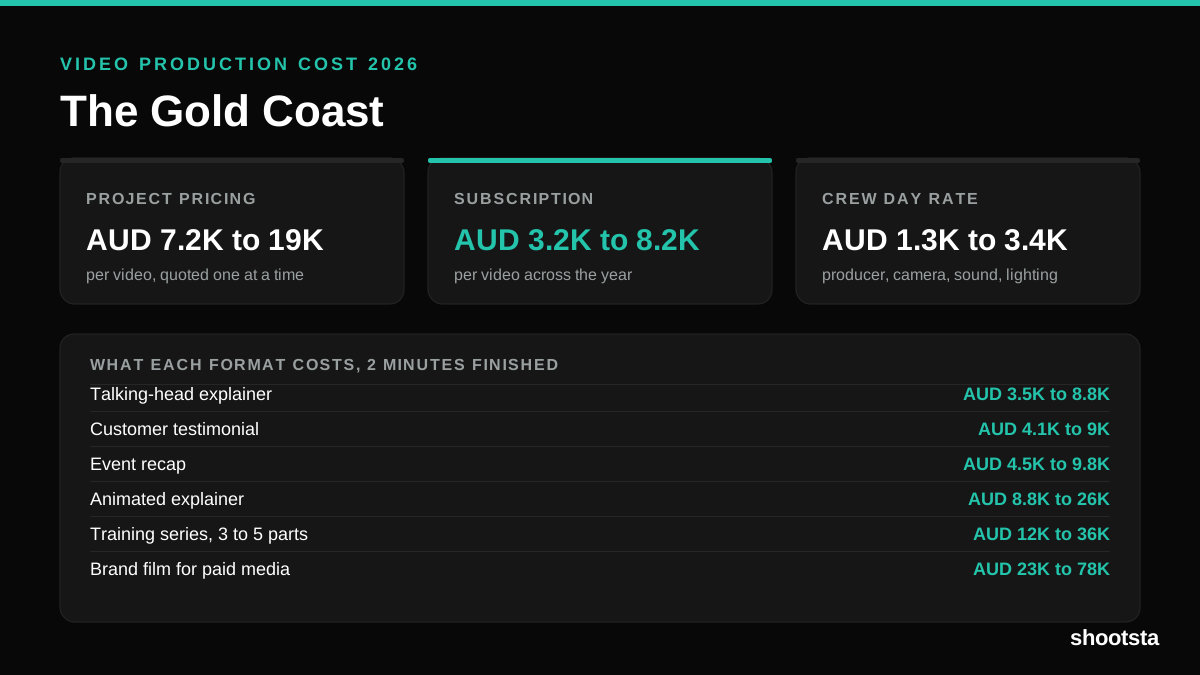
Video Production Cost on the Gold Coast 2026
Video production in the Gold Coast costs AUD 3,200 to AUD 8,200 per finished video on a subscription model, and AUD 7,200 to AUD 18,500 for one-off project work. Here is what you are paying for, and how the three pricing models compare.
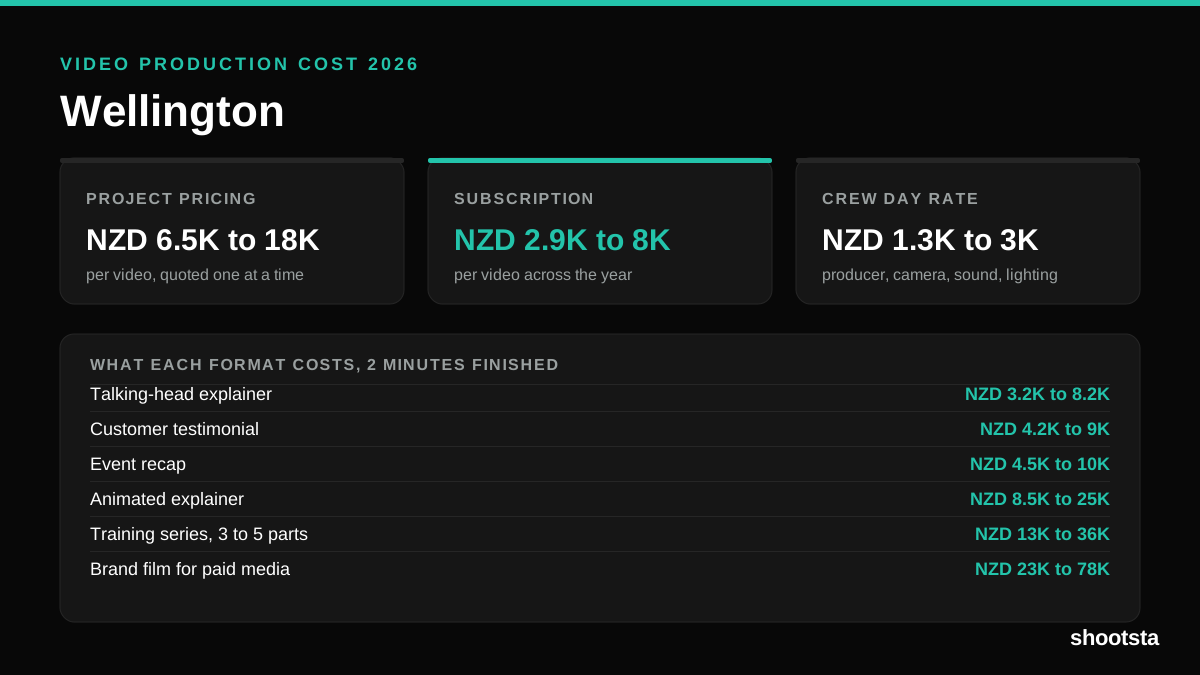
Video Production Cost in Wellington (2026)
Video production in Wellington costs NZD 2,900 to NZD 8,000 per finished video on a subscription model, and NZD 6,500 to NZD 18,000 for one-off project work. Here is what you are paying for, and how the three pricing models compare.
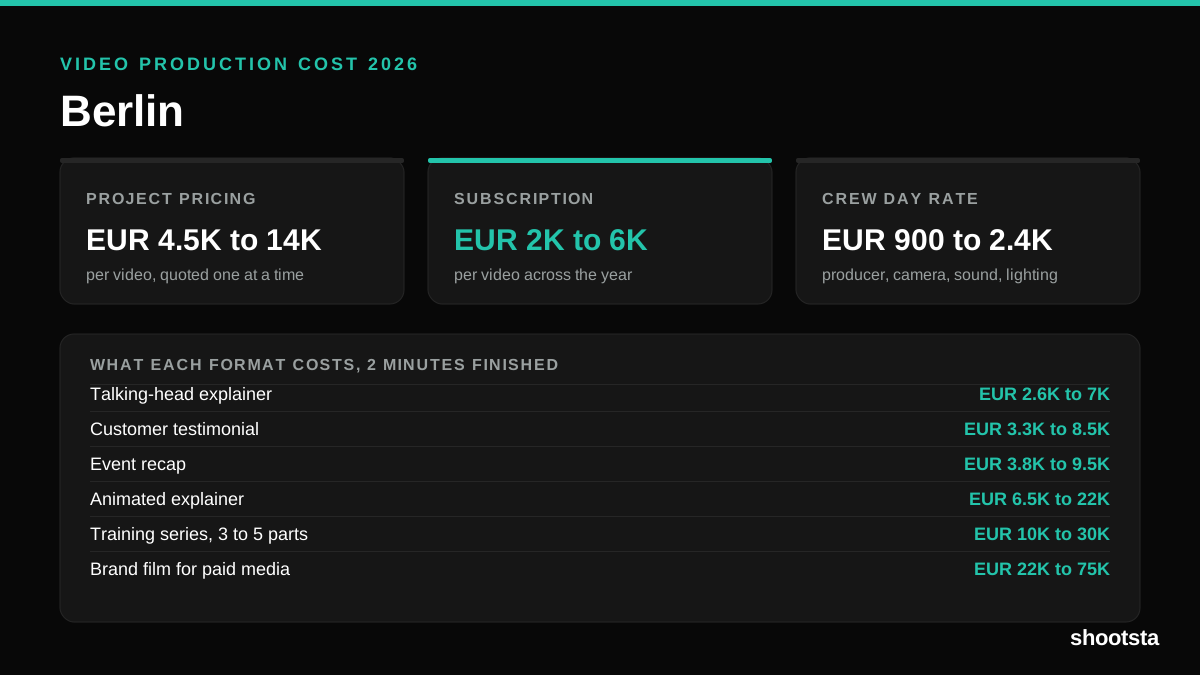
Video Production Cost in Berlin (2026)
Video production in Berlin costs EUR 2,000 to EUR 6,000 per finished video on a subscription model, and EUR 4,500 to EUR 13,500 for one-off project work. Here is what you are paying for, and how the three pricing models compare.