
shootsta.
High-End Video Production: A Complete Guide
By Mark Ashworth · Published January 11, 2025 · Updated October 2026
Discover how professional video production delivers superior business results through strategic creative development, technical excellence, and compelling storytelling that engages audiences.
Understanding High-End Video Production Excellence
Video production at the premium level combines full creative development, advanced technical work and a close fit with your business plan. Together they turn your organization's messages into visual stories your audience remembers. Those stories should lead to business outcomes you can measure. Professional video production covers pre-production planning, the shoot itself and post-production. Through every stage, the team keeps your business goals, your audience and your brand position in view. That focus is what sets you apart in a crowded market and builds thought leadership.Distinguishing Premium from Standard Production
High-end video services get better results because of who does the work and what they work with. Experienced creative teams use professional-grade equipment and advanced post-production techniques. They also advise on how each video fits your business goals, while keeping production values high. Premium production handles subtle storytelling, technical complexity and hard messaging problems. These need specialist skills that consumer-grade tools and less experienced teams do not have. Premium Production Characteristics- Creative Excellence: Storytelling that captures what your brand stands for and gives the audience something to feel and think about
- Technical Mastery: Cinema-quality camera work, lighting and sound design that lifts the video above standard production
- Strategic Alignment: A business-first approach that ties every video to your goals and to results you can measure
- Brand Sophistication: Consistent visuals and messages that back up a premium market position
- Production Value: Care over every frame, which shows the standard your organization holds itself to
- Audience Understanding: Research into what your audience prefers, which shapes the creative choices and the messages
Business Value of Premium Video Investment
Premium video production pays back in several ways. People think more of your brand, remember your message and feel closer to you. Those gains show up in performance numbers that support marketing goals across several business functions. The returns come from more leads, better sales conversion and better-informed customers. A stronger brand position also gives you an edge in a crowded market.Strategic Approach to High-End Video Production
Professional video production needs a plan that ties the creative work to your business goals. The video has to land with your audience and deliver results that justify the spend. A good plan starts with business analysis, audience research and early creative development. By the end of it, you should have clear objectives and success criteria before anyone picks up a camera.Discovery and Strategic Planning
Effective high-end video services start with a thorough discovery phase. The team learns your business context, your competitors, your audience and your goals. Along the way they spot creative openings and technical needs that shape the production plan. Discovery should cover brand position, message priorities, audience insights, distribution plans and success metrics. These guide the creative work and keep the video in line with your wider marketing plan. Strategic Planning Elements- Business Objectives: Clear definition of intended outcomes including lead generation, brand awareness, or customer education goals
- Audience Analysis: Deep understanding of target viewer demographics, preferences, pain points, and decision-making processes
- Competitive Context: Assessment of market positioning and differentiation opportunities through unique creative approaches
- Brand Alignment: Making sure the video supports your existing brand identity, and lifting visual standards where it helps
- Message Architecture: Structured approach to communicating key messages that resonate with audiences and drive desired actions
- Distribution Strategy: Planning content format and technical specifications optimized for intended distribution channels
Creative Development Process
Premium creative development turns those insights into stories. Your stakeholders take part, and the creative team uses its experience to shape a story that moves people while still getting the business message across. Creative development has to balance artistic vision with business sense. It should draw on audience insights and technical limits, so the final video meets its goals and connects with the people it was made for.Production Excellence and Technical Mastery
High-end video production needs strong technical work in cinematography, lighting, sound recording and production management. The creative vision has to hold through all of it, and every frame should meet your quality and brand standards. On the day, you need an experienced team with professional equipment. They use advanced techniques to create visual impact and emotion that standard production or consumer-grade tools cannot match.Cinematography and Visual Storytelling
Professional cinematography lifts a video through deliberate camera work, careful composition and technical precision. Good shots hold interest, guide the viewer's eye and support the structure of the story from start to finish. Strong cinematography depends on equipment, lens choice, camera movement and framing. These decisions work together to build one visual language for the story, at a production value that matches premium standards. Cinematographic Excellence Standards- Camera Systems: Professional cinema cameras and lenses providing superior image quality and creative flexibility
- Composition: Sophisticated framing techniques that guide viewer attention while creating visual interest and emotional impact
- Camera Movement: Purposeful motion including stabilized handheld, dolly, crane, and gimbal shots supporting narrative flow
- Depth Management: Strategic use of focus, aperture, and focal length controlling visual depth and isolating subjects effectively
- Visual Consistency: Maintaining cohesive look throughout production while adapting to varied shooting environments and conditions
- Technical Quality: Proper exposure, color accuracy, and image sharpness ensuring content meets broadcast and cinema standards
Lighting Design and Atmosphere
Professional lighting design can make an ordinary room look striking on camera. It reveals detail, sets the mood and tells the viewer where to look, which keeps them watching. Lighting has to work within the limits of the location. Careful placement and control of light can still flatter the people on screen, keep them looking natural and match the tone of the story.Post-Production Refinement and Polish
Post-production turns raw footage into a finished video through editing, grading, sound design, motion graphics and quality control. Each step lifts the production value and keeps the video on target for its goals. Good post-production needs technical skill, creative judgment and attention to detail. The editor keeps the focus on story flow, pacing and emotional impact, because that is what holds an audience and gets the message across.Editorial Excellence and Story Crafting
Professional editing shapes raw footage into a story through shot selection, pacing and structure. The aim is to keep viewers watching while the message comes through clearly and supports your business goals. The edit has to balance creative storytelling with business sense. Stakeholder feedback gets folded in, but the audience's needs come first in every decision. Professional Editing Components- Story Structure: Logical narrative flow that maintains engagement while building toward clear conclusions or calls to action
- Pacing Management: Strategic timing decisions keeping viewers engaged while allowing message absorption and emotional resonance
- Shot Selection: Choosing optimal takes and angles that serve story while maintaining visual interest and production quality
- Transition Design: Smooth scene changes that keep the story flowing without drawing attention to the edit
- Audio Synchronization: Perfect alignment of dialogue, sound effects, and music supporting visual storytelling
- Brand Integration: Natural incorporation of brand elements without disrupting narrative or appearing overly promotional
Color Grading and Visual Enhancement
Professional color grading enhances visual appeal while establishing consistent look, correcting technical issues, and creating mood that supports narrative objectives and reinforces brand identity across all video content. Color processes should enhance rather than overwhelm footage while maintaining natural appearance and ensuring technical compatibility with distribution platforms and playback environments.Sound Design and Audio Excellence
Professional audio pulls the viewer in through clear dialogue, atmospheric sound design and a music score. Together they add emotional weight, and the technical quality still meets broadcast standards. Good audio takes specialist skill, professional equipment and close attention to detail. The sound team balances several layers of sound so they support the pictures and keep people watching.Dialogue and Voice Recording
Professional dialogue recording gets clear, natural speech through the right microphones, sound recording technique and control of the room. It also captures real performances that connect with your audience. Voice recording should put clarity and a natural tone first. The crew manages background noise and technical problems, because poor audio pulls attention away from the message. Professional Audio Standards- Recording Quality: Clean, clear audio capture free from distortion, noise, and technical artifacts
- Microphone Selection: Appropriate equipment choices based on recording environment and desired sonic character
- Performance Direction: Guiding talent toward authentic, engaging delivery that resonates with target audiences
- Acoustic Management: Controlling recording environment to minimize unwanted reflections and background noise
- Technical Processing: Professional editing, equalization, and dynamics control optimizing clarity and presence
- Mix Integration: Balancing dialogue with music and effects creating cohesive, professional soundscape
Music and Sound Effects
Well-chosen music and sound design add emotional impact and help set the pace of the story. They also carry your brand identity in ways viewers feel without noticing. Music and effects should sit under the dialogue and leave room for it. Done well, they add production value and emotional depth that standard video production without careful sound design misses.Motion Graphics and Visual Effects
Professional motion graphics add moving text, data visualization and animated elements to a video. They make complex information clearer, keep the screen interesting and support your brand identity. Motion design should serve the message. It also needs to stay visually consistent and match the quality your brand stands for.Graphic Design and Animation
Professional graphic design creates visuals that explain information clearly. Well-made graphics stay on brand and add production value at the same time. Animation should balance creative expression with clear communication. The technical work has to meet professional standards, and the result must stay accessible on every platform you publish to. Motion Graphics Applications- Title Design: Sophisticated text treatments establishing tone while communicating essential information clearly
- Data Visualization: Animated charts and graphs making complex information accessible and engaging for viewers
- Brand Elements: Consistent visual identity reinforcing organizational branding throughout video content
- Lower Thirds: Professional name and title graphics identifying speakers while maintaining visual polish
- Transitions: Branded animation elements connecting scenes while maintaining narrative flow and visual interest
- Explanatory Graphics: Visual aids clarifying complex concepts or processes for better audience understanding
Visual Effects and Enhancement
Professional visual effects solve production problems and help realize the creative vision. A skilled artist blends the effects in so smoothly that viewers never notice the post-production work. Effects should support the story and stay believable. When they look wrong, viewers stop following the message.Distribution and Optimization Strategies
Distribution planning makes sure your video reaches the right audience on the right channels. It also sets the technical specs, formats and delivery methods that give each video the best chance of being watched. Your distribution plan should account for platform rules, audience habits and performance. The video also has to look good on every device and in every viewing setting.Platform Optimization
Each distribution platform has its own technical requirements. Professional optimization meets them while keeping quality high, so viewers get the same experience on any device, screen size or connection speed. The work is a trade-off between quality and file size. Every file still has to meet platform specs and viewer expectations on social media, websites, broadcast and other channels. Distribution Considerations- Format Requirements: Meeting technical specifications for resolution, aspect ratio, and codec requirements across platforms
- Compression Optimization: Balancing file size with quality maintaining visual appeal while ensuring reliable playback
- Caption Integration: Adding subtitles and accessibility features expanding reach and meeting compliance requirements
- Thumbnail Design: Creating compelling preview images that drive click-through rates and initial engagement
- Metadata Optimization: Strategic tagging and description supporting discoverability and search performance
- Version Creation: Developing platform-specific edits optimizing content for different viewing contexts and requirements
Performance Measurement
Analytics tracking lets you improve video content based on data. It also shows the business value of the work and informs future production decisions, which lifts results and ROI over time. Measure both engagement metrics and business outcomes. The findings should tell you what to change in your content plan and your production approach.Frequently Asked Questions
What distinguishes high-end video production from standard video services?
High-end video production uses experienced creative teams, professional cinema equipment and advanced post-production. The team also links the work to your business goals, so your messages become visual content people remember. Premium services include full pre-production planning, on-set creative direction, cinema-grade lighting and sound, professional grading and motion graphics. You also get advice on how each video meets its business goals while keeping production values high.How much should organizations budget for professional video production?
Budgets for professional video production vary with scope, length, complexity and production needs. Split the budget across pre-production planning, the shoot, post-production and project management, with the shoot usually taking the largest share. Flagship campaigns cost more, because they need more creative development, several shoot days, complex post-production and closer advice on business goals. Ask each partner for a quote against the same brief so you can compare like with like.What timeline should organizations expect for high-end video production?
The timeline from first consultation to final delivery depends on how complex the project is and how many stakeholders need to sign off. The schedule covers discovery and creative development, pre-production planning, the shoot, post-production and review rounds. The shoot is usually the shortest stage. Projects with several locations, a lot of talent or heavy animation take longer, because they need more planning.How can organizations measure the ROI of premium video production investment?
Measure video ROI by tracking engagement metrics such as view completion, click-through rates and social shares. Set these beside business outcomes such as leads, sales conversion, customer education and brand awareness. The return usually comes from better marketing results, stronger sales enablement, smoother customer onboarding and a stronger brand position. Track both direct attribution and assisted conversions so you can see where video shapes the customer journey.What preparation helps ensure successful high-end video production outcomes?
Good outcomes start with clear business goals, a defined audience and full brand guidelines. You also need stakeholders who agree, a realistic timeline and the right budget. Before production begins, prepare a detailed creative brief and gather background material. Pin down your key messages, secure talent and locations, and set a clear approval process. With that preparation done, the creative team can build a strong story that stays in line with your business plan and standards.Strategic Advantages of Professional Video Production
Organizations that invest in high-end video services gain an edge from stronger creative work, professional production quality and a close link to business goals. That combination sets a brand apart in a crowded market and produces results you can measure. Proven Production Benefits- Audience Engagement: Higher engagement from strong storytelling and professional execution
- Brand Perception: Better brand recall and a more premium market position from well-made visual content
- Conversion Performance: Better conversion rates from clear messaging and persuasive storytelling
- Content Longevity: Premium production quality lets you use a video for several years before it looks dated
- Market Differentiation: Clearer distance from competitors through original creative ideas and careful execution
- Business Impact: Stronger ROI from better marketing results and sales enablement across the customer journey
Production Partnership Selection Criteria
The production partner you pick has a large effect on how the project turns out. Look at their creative work, technical skill, grasp of your business and cultural fit, because those decide how well you work together. Check the portfolio, client testimonials and industry experience. Ask how open they are about their process and how well they communicate. It also helps to see whether their values and working style match yours.Evaluating Creative Capabilities
To judge creative ability, review the portfolio and ask the team to walk you through their creative process. Look at how well they tell stories, and whether they can turn business goals into visual stories your audience will care about. Weigh how good the work looks against how well it did its job. The right partner understands your business context and can balance creative vision with practical business needs. Partnership Evaluation Criteria- Portfolio Quality: Demonstrated creative excellence and technical mastery across diverse project types and industries
- Strategic Approach: Business-focused methodology ensuring video content supports organizational objectives effectively
- Industry Experience: Relevant sector knowledge understanding unique communication challenges and audience expectations
- Technical Capabilities: Professional equipment, facilities, and expertise delivering cinema-quality production values
- Process Transparency: Clear communication, realistic timelines, and comprehensive project management throughout production
- Cultural Alignment: Collaborative working style and organizational values supporting positive partnership relationships
Understanding Production Process
A professional production partner should explain the process clearly and give you a realistic timeline. They should also document the full scope and show transparent pricing, so you can decide and budget with confidence. Ask about deliverables, revision policies, ownership rights and success metrics. Agree up front how you will communicate and when stakeholders need to be involved during production.Video Production Readiness Assessment
Evaluate your organization's readiness for professional video production investment: Production Readiness Framework Rate your current capabilities on a 1-5 scale: Strategic Foundation- Clear business objectives and success criteria for video content initiatives
- Defined target audiences and understanding of their preferences and pain points
- Comprehensive brand guidelines and visual identity standards for consistency
- Stakeholder alignment and appropriate budget allocation for professional production
- Key messages and differentiators clearly articulated and ready for creative development
- Available subject matter experts and spokesperson talent for on-camera participation
- Location access and coordination capabilities supporting production requirements
- Existing content assets and materials supporting creative development and production
- Realistic timeline expectations and stakeholder availability for production coordination
- Clear approval processes and decision authority supporting efficient project progression
- Distribution strategy and technical requirements defined for content optimization
- Performance measurement capabilities tracking video effectiveness and business impact
- 48-60 points: Excellent readiness for comprehensive professional video production implementation
- 36-47 points: Good foundation requiring targeted preparation in specific areas before production
- 24-35 points: Moderate preparation needed ensuring successful outcomes and optimal investment return
- Below 24 points: Additional strategic planning and organizational alignment recommended before proceeding
Next Steps for Video Production Excellence
Start with a consultation that covers your business goals, creative options and production needs. Use it to set clear success criteria and a realistic timeline, so the project returns what you put in. Pick a production partner that brings business thinking, strong creative work and technical skill. They should also work with you closely and keep you informed through the whole production. Strategic Action Plan- Objective Definition: Clarify business goals, target audiences, and success metrics guiding production approach
- Partner Evaluation: Research production companies assessing creative capabilities and strategic fit
- Initial Consultation: Discuss project scope, creative approach, timeline, and investment requirements
- Creative Development: Collaborate on concept development ensuring alignment with business objectives
- Production Planning: Finalize logistics, talent, locations, and technical requirements supporting execution
- Production Execution: Implement creative vision through professional filming maintaining quality standards
- Post-Production: Refine content through editing, color grading, sound design, and motion graphics
- Distribution Optimization: Prepare content for platform requirements ensuring maximum reach and effectiveness
Transform Your Brand Through Premium Video
Shootsta Premier gives enterprise organizations an award-winning creative team, cinema-grade production and advice on business goals. The team turns your business messages into visual stories built to deliver measurable results. Complete Premium Production Solutions:- Award-winning creative expertise, with work recognized in international competitions
- Cinema-quality production capabilities including professional equipment and experienced technical teams
- Strategic consultation ensuring video content aligns with business objectives and drives measurable outcomes
- Comprehensive production services from concept development through final delivery and optimization
- Brand storytelling excellence creating authentic narratives that resonate with audiences and build connections
Keep reading
Take this article with you
Read the latest at shootsta.com/blog/premier-high-end-video-production-complete-guide
You might also like
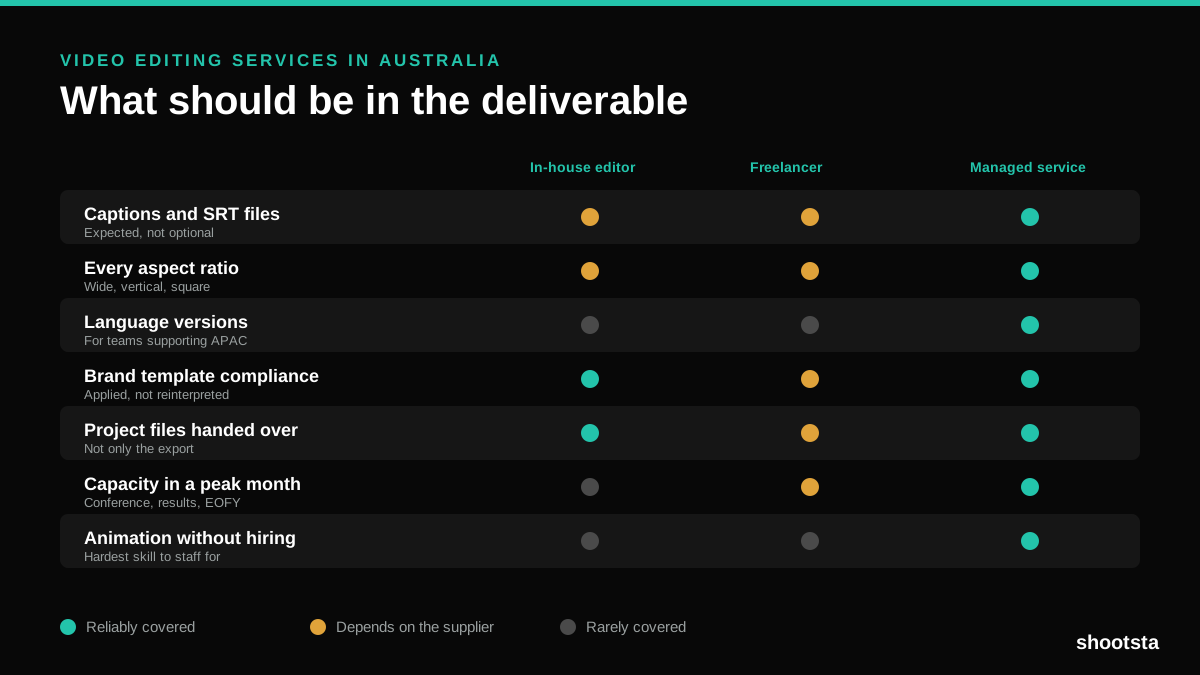
Video Editing Services in Australia
Australian teams are spread across time zones and offices, so the editing queue matters more than the editing. Here is what to expect on cost and turnaround.
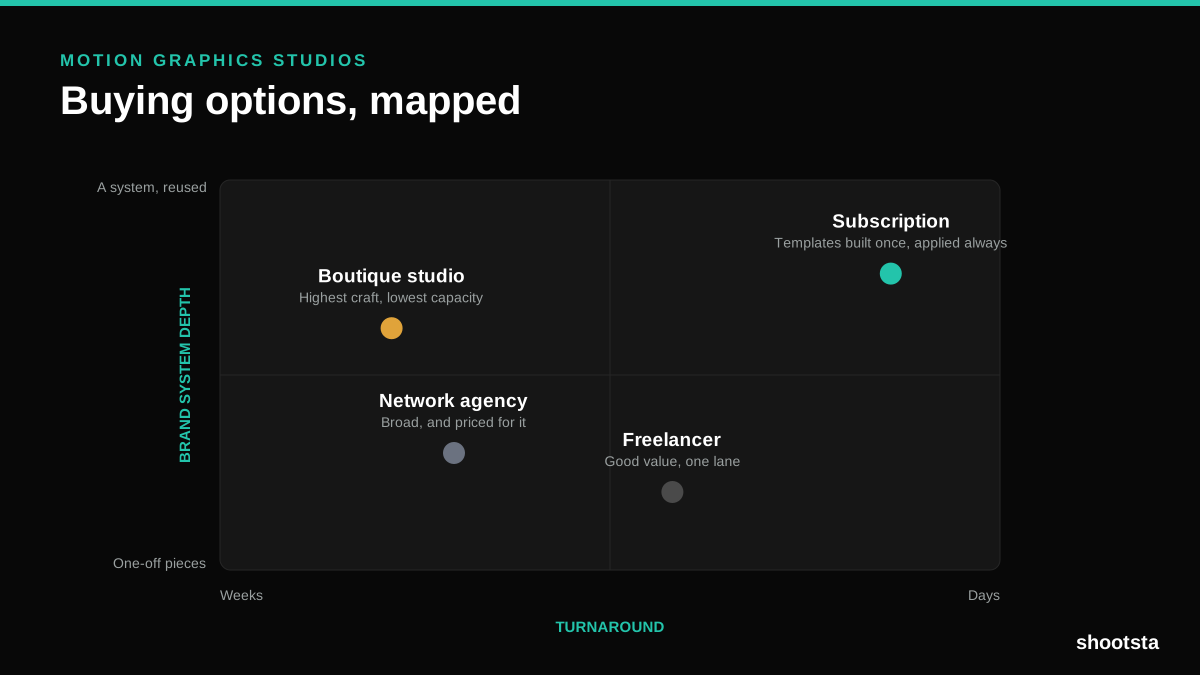
How to Choose Between Motion Graphics Studios
Every motion graphics studio has a good reel. The reel is the one thing that will not tell you how the fifth project goes. These ten criteria will.
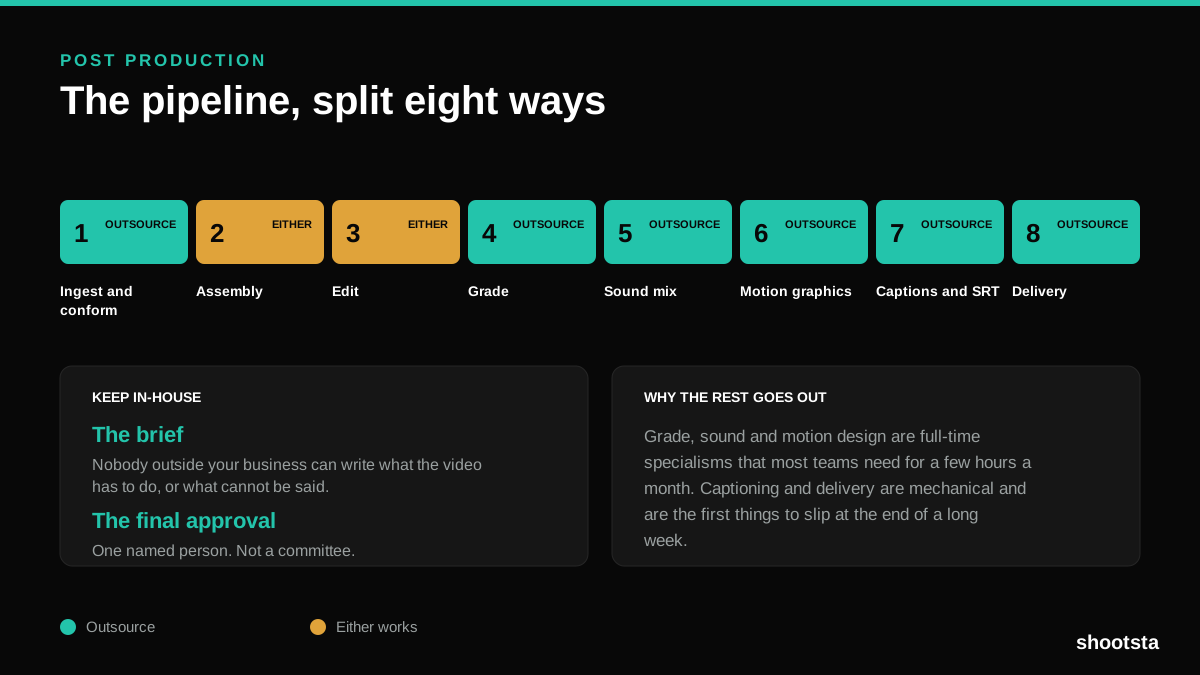
Post Production Agency or In-House Team?
Post production is eight stages, not one. Some of them need context only your team has. The rest are mechanical and are the first things worth handing over.
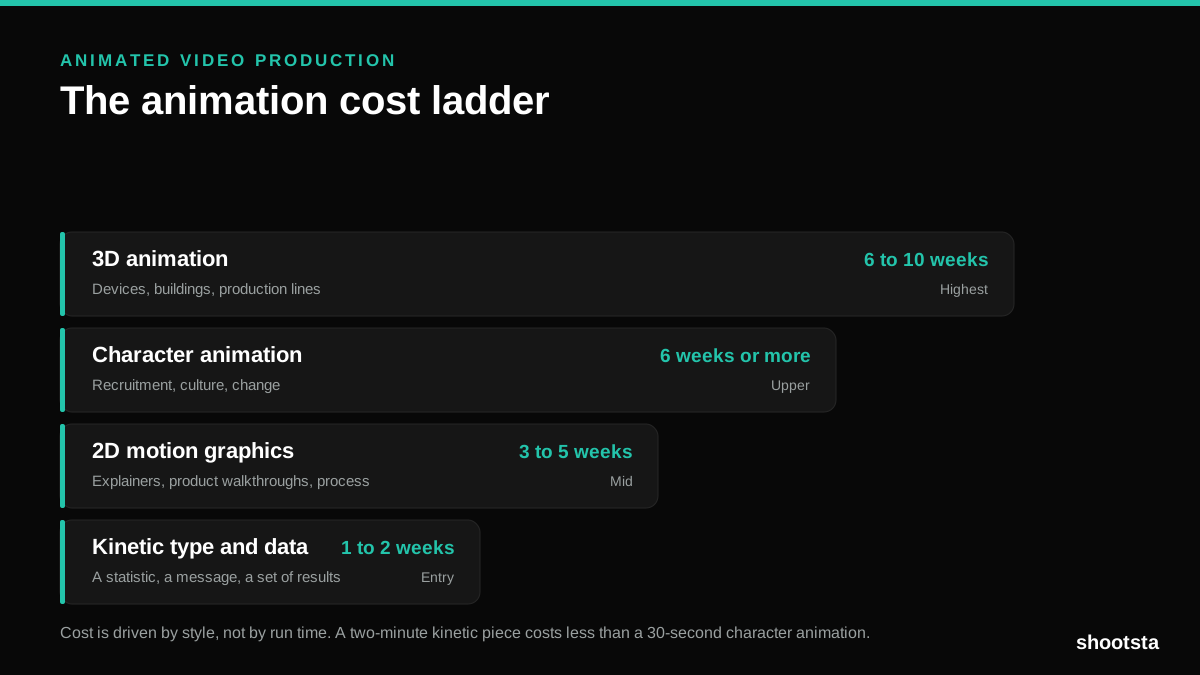
Animated Video Production Cost in the US
Animated video production costs move with style, not with length. Kinetic type, 2D motion, character and 3D sit on four rungs of a ladder. Here is what separates them.
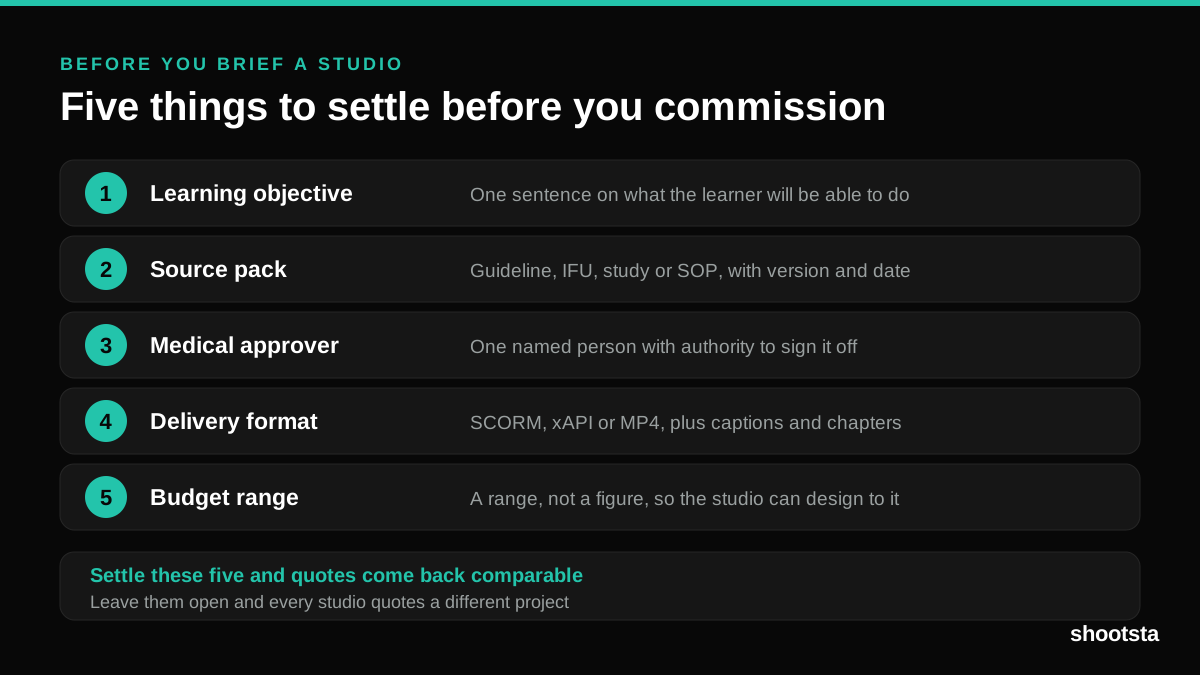
How to Commission Medical Training Animation
Commissioning a medical training animation is mostly decisions you make before anyone animates a frame. The brief fields that matter, what to ask a studio, how much expert time to budget, and the contract terms that stop a rebuild in two years.
How to Write an Animation Brief
How to Write an Animation Brief
Most animation briefs cause delays because they over-specify the visual style and under-specify the outcome. Here are the nine fields an animation production team needs to quote accurately and start without rework.