
shootsta.
Affordable Corporate Video Production: Quality on Budget
By Mark Ashworth · Published June 12, 2025 · Updated October 2026
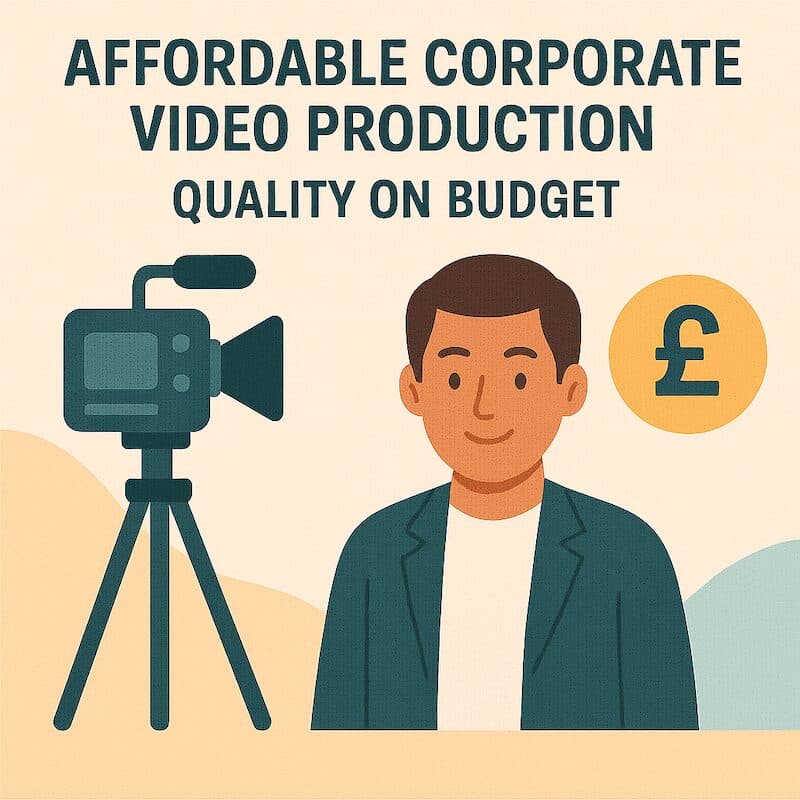
Discover how affordable corporate video production delivers professional results within budget through strategic planning, efficient workflows, and smart resource allocation.
Understanding Affordable Corporate Video Production
Affordable corporate video production balances quality against budget. It comes down to decisions about scope, where the money goes and which technical approach you take. The goal is a professional result without paying for extras that do nothing for how well the video works or how much viewers engage. Budget video services put the money into storytelling, clear audio, good lighting and smart editing, because those shape how viewers take in your message. Spending drops on extras that make only a small difference.Quality vs. Cost Trade-offs
Professional video production has many cost variables, from crew size and equipment to shooting locations and post-production complexity. Good planning lets you get the best quality inside your budget. You do it by deciding in advance which of those variables matter most for this video. Some production elements change how your audience sees a video a great deal, while others give less back the more you spend. Once you know which is which, invest in the first group and accept sensible compromises on the second.- Essential Investments: Professional audio, adequate lighting, and skilled editing directly impact perceived quality
- Moderate Priority: Camera quality, basic motion graphics, and competent direction provide good value
- Optional Elements: Drone footage, complex animation, and extensive location shoots often exceed budget justification
- Smart Savings: Studio filming, employee talent, and template graphics reduce costs without quality sacrifice
Cost Drivers in Corporate Video Production
Video production costs come from crew wages, equipment rental, location expenses, talent fees and post-production time. These vary a lot with the project's complexity, length and quality needs. Knowing that gives you room to manage cost through planning. When you understand how the costs are built, you can make better calls about the scope and approach of a production. You can also spot savings that leave the essential quality elements alone, since those decide whether the content works.Production Scope and Complexity
Project scope drives cost through the number of shooting days, crew size, equipment and location logistics. A simple production in a controlled space costs far less than a complex multi-location shoot. Those bigger shoots need a lot more coordination. Complexity shows up in a few places. Talent can range from employees to professional actors, and locations from office spaces to specialized venues. Technical demands can run from basic interviews to elaborate product demos, and each step up adds resources and cost.Post-Production Requirements
Post-production costs vary a lot with editing complexity, motion graphics, grading and the number of revision rounds. Straightforward editing costs far less than a project that needs heavy animation or complex effects. Several rounds of stakeholder review also push the cost up. Good post-production planning weighs creative ambition against the budget. Put the money into elements that make the content work better. Production flourishes that add little for the audience are rarely worth their cost.Strategies for Cost-Effective Video Production
Cost-effective video production gets professional results through planning, efficient process and good use of resources. It does not mean accepting lower quality or production values that weaken the content. Smart production keeps the quality standard and the costs under control. Efficient planning, creative problem-solving and the right technology all cut the resources a video needs.Planning and Preparation Optimization
Thorough pre-production planning prevents costly delays on set and cuts the number of revisions. Clear objectives, detailed shot lists and stakeholder agreement before filming starts all help resources go further. Time spent on scriptwriting, storyboarding and scheduling pays back well. Filming goes faster, you need fewer takes and the creative direction is clearer. Together those cut total production time and the labor costs that come with it.- Studio vs. Location: Controlled studio environments eliminate location fees, travel time, and environmental variables
- Employee Talent: Using company representatives instead of professional actors saves substantial talent fees
- Template Graphics: Pre-designed motion graphics templates cost fraction of custom animation
- Efficient Scheduling: Multiple videos filmed same day shares setup costs across projects
- Smart Equipment: Professional results possible with prosumer equipment versus high-end cinema cameras
- Focused Scope: Clear objectives prevent scope creep and unnecessary complexity increasing costs
Technology and Process Efficiency
Modern technology lowers the cost of a professional result. Capable prosumer cameras, efficient editing software and cloud-based collaboration tools reduce the old production overhead. Quality stays where it should be. Established workflows, template systems and experienced teams make the process more efficient. Less production time means lower costs, and the quality stays consistent from one project to the next.Budget Tiers and Expected Quality
Corporate video production spans several budget tiers. They run from basic videos for internal communications up to premium productions for flagship marketing campaigns. Each tier gives the right quality for a particular use and audience. Knowing the tiers helps you set realistic expectations about what production values a budget can buy. It also helps you decide how much to invest in a given video, based on its purpose and where it will be shown.Entry-Level Production
Mid-Range Production
A mid-range production budget pays for a professional crew, better equipment and more careful lighting. Post-production goes further too, with motion graphics and grading. That level suits most corporate marketing and external communications. Mid-range productions balance quality and cost through careful choices about where the money goes. Efficient workflows and experienced teams produce polished results that hold up in front of professional audiences and in competitive markets.Premium Production
Premium corporate video budgets cover cinema-grade equipment, larger crews and extensive pre-production. They also pay for detailed post-production and several shooting days. This tier gives the highest production values for flagship campaigns, brand films and videos that need exceptional quality. A premium budget earns its place on high-visibility videos and on work that has to stand apart from competitors. It also makes sense where production quality has a big effect on how people see your brand and on business results.Maximizing Value Within Budget Constraints
Getting the most value from a budget takes clear thinking about production priorities, some creative problem-solving and good communication. Every dollar should make the content work better. Production extras that only add marginal polish are the first thing to cut. Put your money into storytelling, a clear message and audience engagement. Technical specs and production polish beyond what the video and its viewing context need add cost without adding much value.Strategic Scope Definition
A clear scope prevents budget overruns. Plan realistically about what you can achieve within your limits, and watch for feature creep. Extra complexity inflates costs without adding the same amount of value. Good scope management starts with stakeholders agreeing on priorities and on what success looks like. After that, make disciplined calls about which elements are optional and which are essential. That keeps the budget pointed at your business goals.- Clear Objectives: Defined success criteria guide resource allocation decisions and prevent unnecessary spending
- Audience Appropriateness: Production quality matches viewer expectations and content distribution context
- Content Longevity: Investment in evergreen content provides better ROI than highly topical material
- Repurposing Strategy: Planning multiple uses maximizes value from single production investment
- Incremental Approach: Starting smaller and scaling based on results reduces risk and speeds up learning
Working with Budget Video Service Providers
Choosing a cost-effective video production partner means checking what they can do within your budget. You also want to be sure they deliver professional quality, reliable service and clear communication. When budget matters, weigh cost alongside quality, process maturity and how well the provider communicates. The aim is a partnership that delivers value. The cheapest option can cost more in the end if poor execution creates problems.Provider Evaluation Criteria
Evaluate budget video providers by reviewing a portfolio of work in a similar price range and checking that the quality is consistent. Client testimonials show whether they are reliable. A clear description of their process tells you how they manage projects and communicate. Look at their experience with similar projects and how well they understand business communication. Check, too, that they will work openly within your budget instead of upselling services or features you do not need.Communication and Expectations
A budget video partnership works when both sides are honest about constraints and clear about deliverables. You also need a realistic view of the quality you can get, so that your requirements and the provider's capabilities line up. When you are open about the budget, a provider can recommend the right scope and approach. The alternative is a promise of unrealistic deliverables that leads to disappointment or late compromises in the production process.Frequently Asked Questions
What level of quality can organizations expect from affordable corporate video production?
Affordable corporate video production gives you a professional look that suits most business uses: clear audio, good lighting, stable camera work, competent editing and basic motion graphics. It may lack the cinematic polish of premium work, but it communicates well when you plan it carefully. Entry-level budgets suit internal videos and informal external use. Mid-range budgets give polished results for marketing and communications.How can organizations reduce video production costs without sacrificing quality?
Plan out unnecessary complexity first. Film in a studio, put employees on camera instead of actors and shoot several videos on one day. Template graphics cost less than custom animation, and a tight scope stops feature creep. Thorough pre-production prevents costly delays on set. Modern prosumer equipment gives professional results for less than cinema cameras, and experienced providers work faster. Reusing a video in several places gets more from one production. Money spent on audio, lighting and storytelling goes further than technical polish.What are common mistakes organizations make with budget video production?
Common mistakes start with unrealistic expectations about what a budget can buy. Some teams choose a provider on price alone, or plan too little and run into delays and cost overruns on set. Scope creep adds features the budget cannot cover. Poor audio and lighting hurt how professional a video feels, and rushing into production without preparation causes its own problems. You avoid these with clear objectives, a realistic budget and careful provider checks. After that, plan pre-production in detail and put the essential quality elements ahead of optional features.How should organizations budget for ongoing video content needs?
For ongoing video, a monthly retainer or subscription gives you predictable costs and dedicated capacity, sized to your volume. It usually lowers the cost per video compared with project-based pricing and keeps the workflow consistent. Set an annual video budget you can sustain. You can start with a smaller commitment and expand once it proves its value. Count your own team's coordination time as well as production costs, and keep some contingency for urgent requests.Can budget video production deliver results comparable to expensive alternatives?
Budget video production can deliver business results comparable to expensive alternatives. It works when the money goes into what drives engagement and carries the message. For most business uses, the story and the content matter more than technical specs, and a well-made budget production can hold an audience about as well as premium work. A tight budget can even force creative solutions that beat an elaborate production.Budget Video Production Readiness Checklist
Assess readiness for cost-effective video production: Budget Planning- Clear budget allocation appropriate for content objectives and quality requirements
- Realistic expectations about achievable production values within budget constraints
- Stakeholder alignment on budget priorities and acceptable trade-offs
- Understanding of cost drivers informing strategic planning decisions
- Clear objectives and success criteria guiding resource allocation
- Focused scope preventing unnecessary complexity and cost inflation
- Available resources including employee talent and filming locations
- Efficient approval processes preventing timeline delays and revision costs
- Portfolio review confirming quality capabilities within budget range
- References validating reliability and service quality from similar projects
- Process transparency ensuring clear communication and professional management
- Honest budget discussions enabling realistic scope and approach recommendations
Achieve Professional Results Within Budget
Shootsta delivers cost-effective video production that pairs professional quality with efficient workflows. The money goes where it does the most good, so your organization can make video that supports business goals without overspending. Value-Focused Video Solutions:- Planning that puts your budget where it makes the content work hardest
- Efficient production processes reducing costs through established workflows and experienced teams
- Professional quality maintaining audience engagement and brand standards at accessible price points
- Flexible options from single projects to ongoing partnerships supporting varied organizational needs
- Transparent pricing enabling informed decisions about appropriate investment levels
Keep reading
Take this article with you
Read the latest at shootsta.com/blog/premier-affordable-corporate-video-production-2
You might also like

How to Plan Video Team Capacity Around Leave
Your only editor just booked two weeks off, and you already know which projects will slip. Chad Lakin explains how to plan video team capacity so the work keeps moving when someone is away.
Corporate Video Editing Standards: Full Guide
A two-page editing standard does more for consistency than a forty-page brand book. Here is what it should cover, who owns each part, and how to enforce it with an in-house editor or an outside partner.
Quality Control in Outsourced Video Editing
When editing leaves the building, quality has to be checked by a system rather than by whoever happens to look. Here is the system: acceptance criteria, two QA gates, counted revision rounds and a quarterly audit.
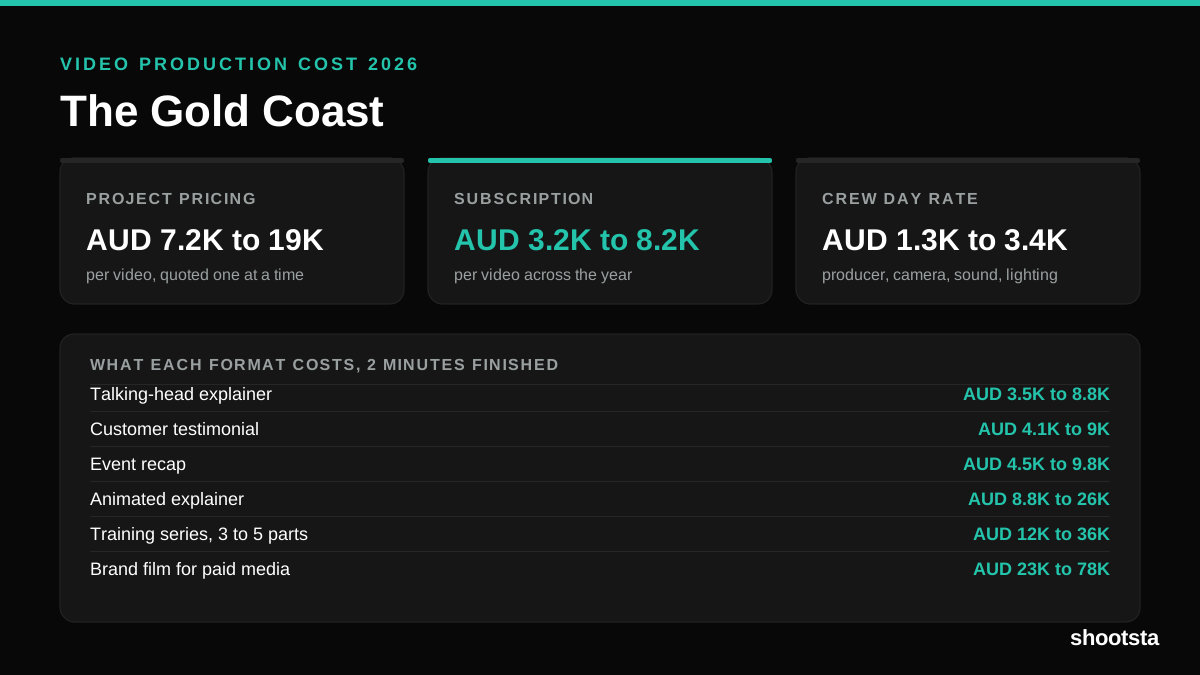
Video Production Cost on the Gold Coast 2026
Video production in the Gold Coast costs AUD 3,200 to AUD 8,200 per finished video on a subscription model, and AUD 7,200 to AUD 18,500 for one-off project work. Here is what you are paying for, and how the three pricing models compare.
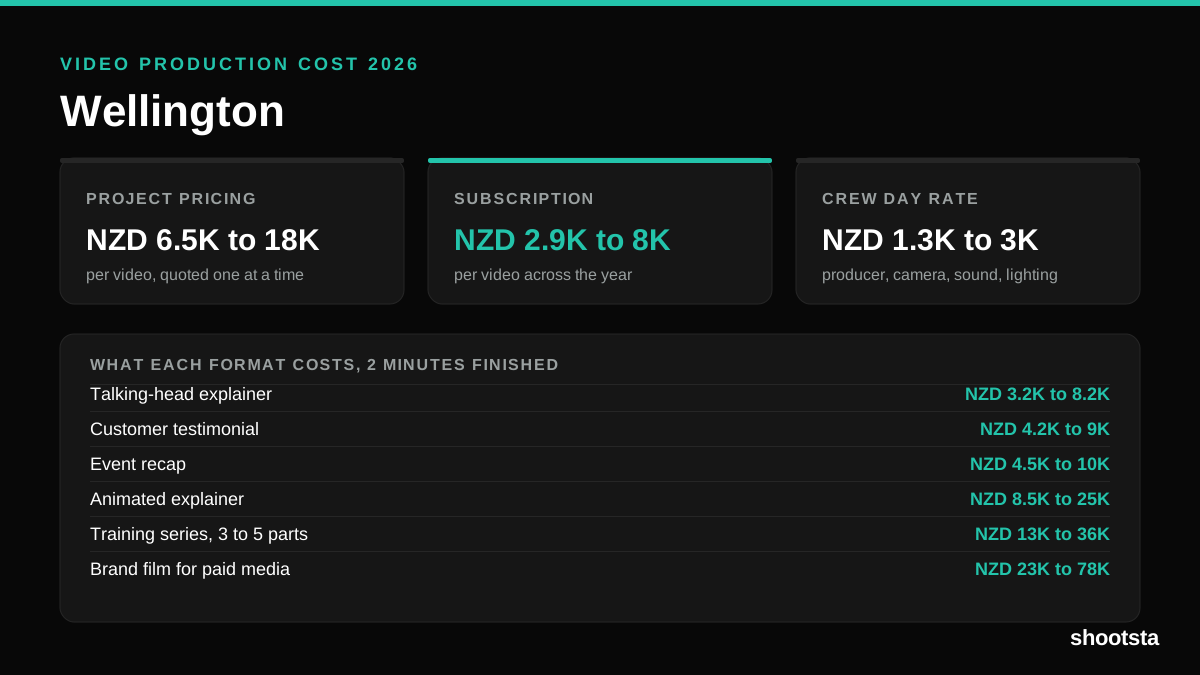
Video Production Cost in Wellington (2026)
Video production in Wellington costs NZD 2,900 to NZD 8,000 per finished video on a subscription model, and NZD 6,500 to NZD 18,000 for one-off project work. Here is what you are paying for, and how the three pricing models compare.
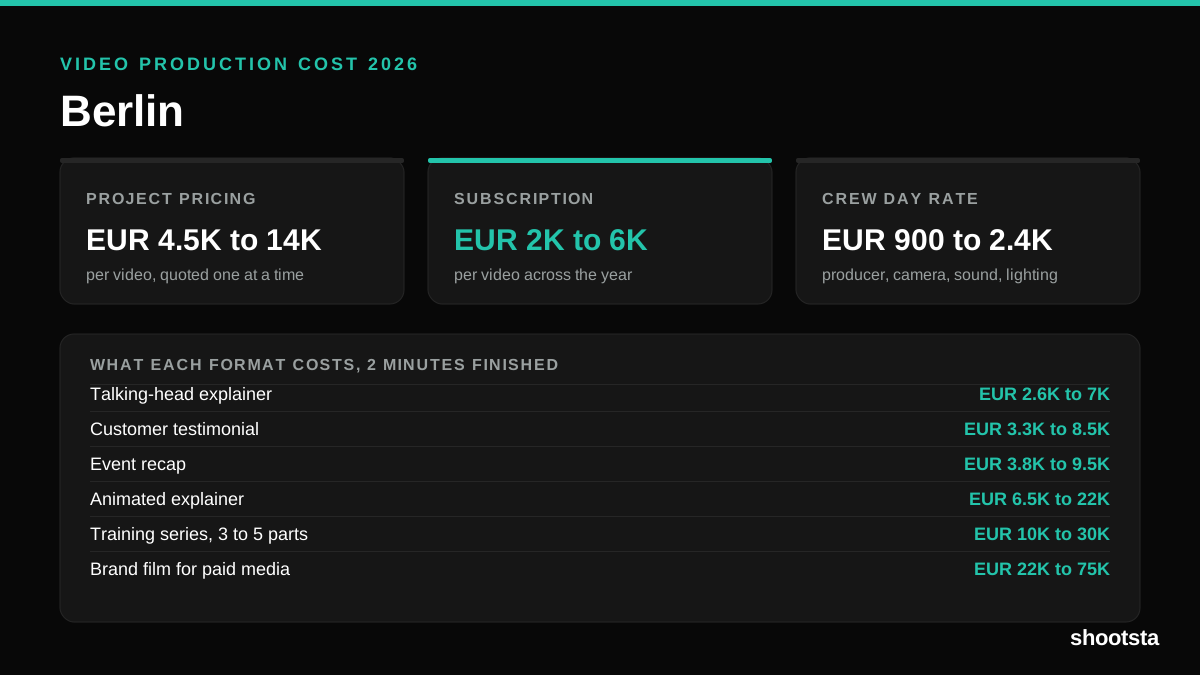
Video Production Cost in Berlin (2026)
Video production in Berlin costs EUR 2,000 to EUR 6,000 per finished video on a subscription model, and EUR 4,500 to EUR 13,500 for one-off project work. Here is what you are paying for, and how the three pricing models compare.