
shootsta.
How to Write a Script for Business Video
By Shootsta · Published March 5, 2026 · Updated October 2026
A practical script writing guide for business video. Covers speech-driven scripts, visuals-driven scripts, and the structure that keeps viewers watching.
What is a video script?
A video script is the document that decides what gets said, what gets shown, and in what order. For a business video, the script is also a stakeholder alignment tool. If a script survives a read-through with the brand lead, the legal team and the audience it was written for, the shoot will go a lot faster.
Speech-driven script vs visuals-driven script
Business video scripts come in two formats. Speech-driven scripts are written for camera-facing pieces like leadership messages, product explainers, and customer interviews. Every line is spoken aloud. Visuals-driven scripts are written for product demos, animated explainers, and social cuts where the imagery carries most of the meaning. Each visual gets a row, and any voice-over sits beside it.
To choose, picture the audio cutting out. If the video still makes sense, it's visuals-driven, and if it falls apart, it's speech-driven. Many business videos are a blend, but the lead format decides how the script document is laid out.
What should a video script include?
The hook (first 3 seconds)
The opening line is the one line you can't skip writing, because viewers decide very early whether to keep watching. A working hook names the viewer's problem, promises a payoff or breaks a pattern. A generic intro like "Hi, I'm..." loses viewers before the message lands.
The single message
Pick one thing for the viewer to remember. If you can't say it in one sentence, the script will keep growing until everyone is unhappy. Use the rest of the script to back that one message with proof, examples, or a demo.
The call to action
Every business video has a next step, such as booking a demo, reading the guide or replying to the email. Write the call to action first, before you write the body. Doing it in that order keeps the script honest about what the video is for.
How long should a video script be?
For a 60-second video, aim for 130 to 150 spoken words. A 90-second video needs 200 to 220 words, and a two-minute video needs around 280. People speak slower on camera than they think, especially when they're nervous, so cut 10% from your first version. If you're working from a brief, use the video brief to lock the message before you start drafting.
How to write a script that doesn't sound like a script
Read every draft out loud. If a sentence trips you up, the on-camera talent will trip on it too. Use contractions ("we're" not "we are"), cut the adjectives and replace any phrase that sounds like a press release. Aim for the way you would explain the topic to a colleague over coffee.
For interview-led videos, scripting works differently, because you write the questions and leave the answers to the speaker. The team has a guide on filming a 2-person interview that walks through how to structure that conversation.
Common scripting mistakes
- Cramming too much in. Each script should carry one message, so spin off the rest into separate videos.
- Ignoring the visuals. Even speech-driven scripts need a column for what's on screen. If nobody plans the b-roll, it never gets shot.
- Skipping the read-through. Always have the on-camera person read the final draft out loud, in their voice, before shoot day.
- Treating the script as final. The best lines often happen on set, so leave room for them.
FAQs about video scripts
How long does it take to write a video script?
For a short business video, an experienced writer can produce a first version in 60 to 90 minutes. The full cycle, including stakeholder review and revisions, usually takes 2 to 5 working days.
Should I use AI to write video scripts?
AI is good for a first version and for breaking writer's block. It struggles with brand voice, customer-specific examples, or anything that depends on context the AI doesn't have. Use it as a starting point, then rewrite. The team has more on this in our scripting with Shootsta AI guide.
Do I need a script for every video?
For anything customer-facing, yes. For internal vlogs, executive Q&As and behind-the-scenes videos, a bullet outline is usually enough. The decision is about how much consistency the format requires.
Take this article with you
Read the latest at shootsta.com/blog/how-to-write-a-script-for-business-video
You might also like
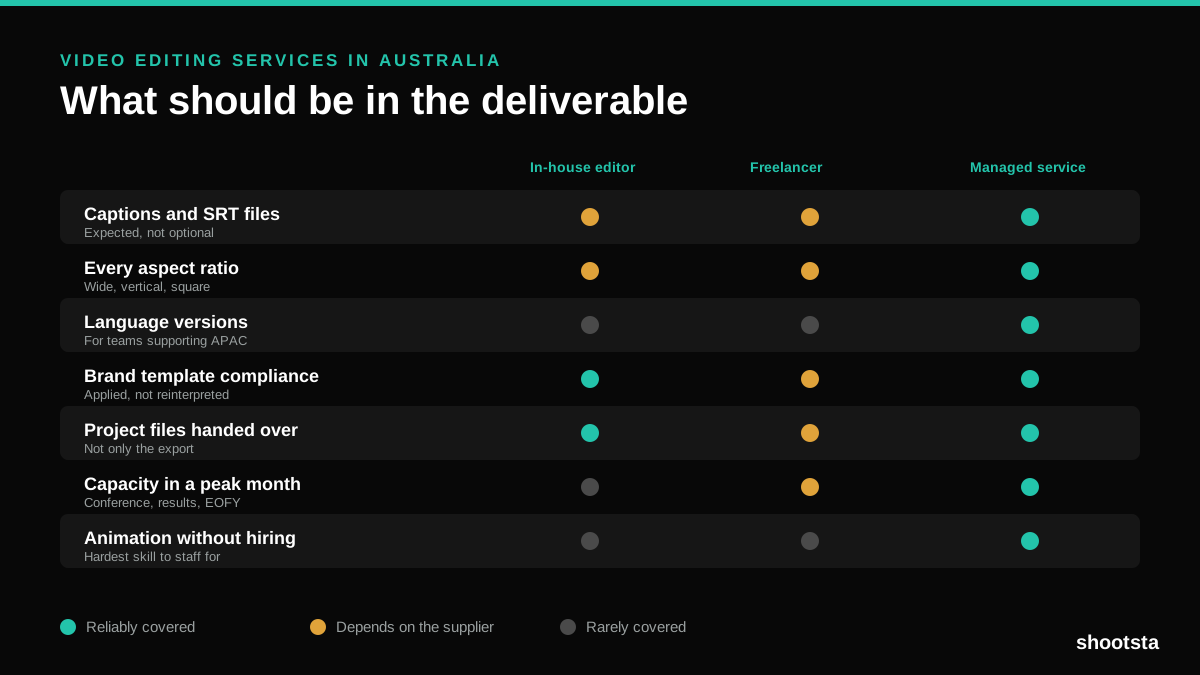
Video Editing Services in Australia
Australian teams are spread across time zones and offices, so the editing queue matters more than the editing. Here is what to expect on cost and turnaround.
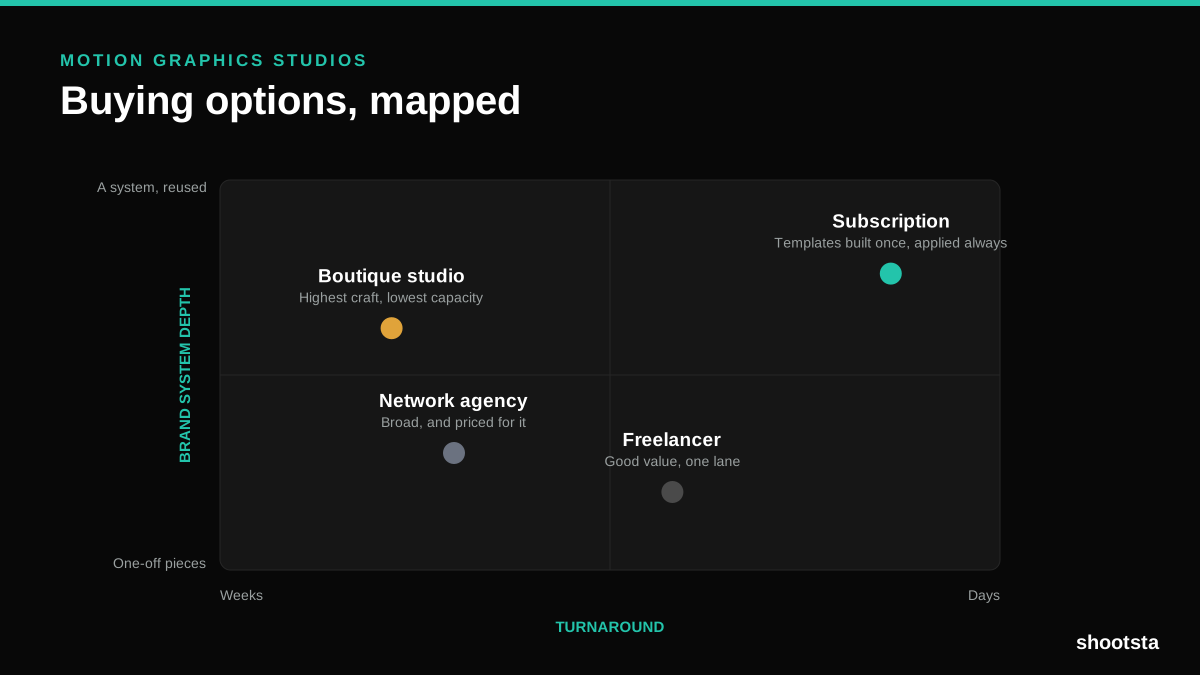
How to Choose Between Motion Graphics Studios
Every motion graphics studio has a good reel. The reel is the one thing that will not tell you how the fifth project goes. These ten criteria will.
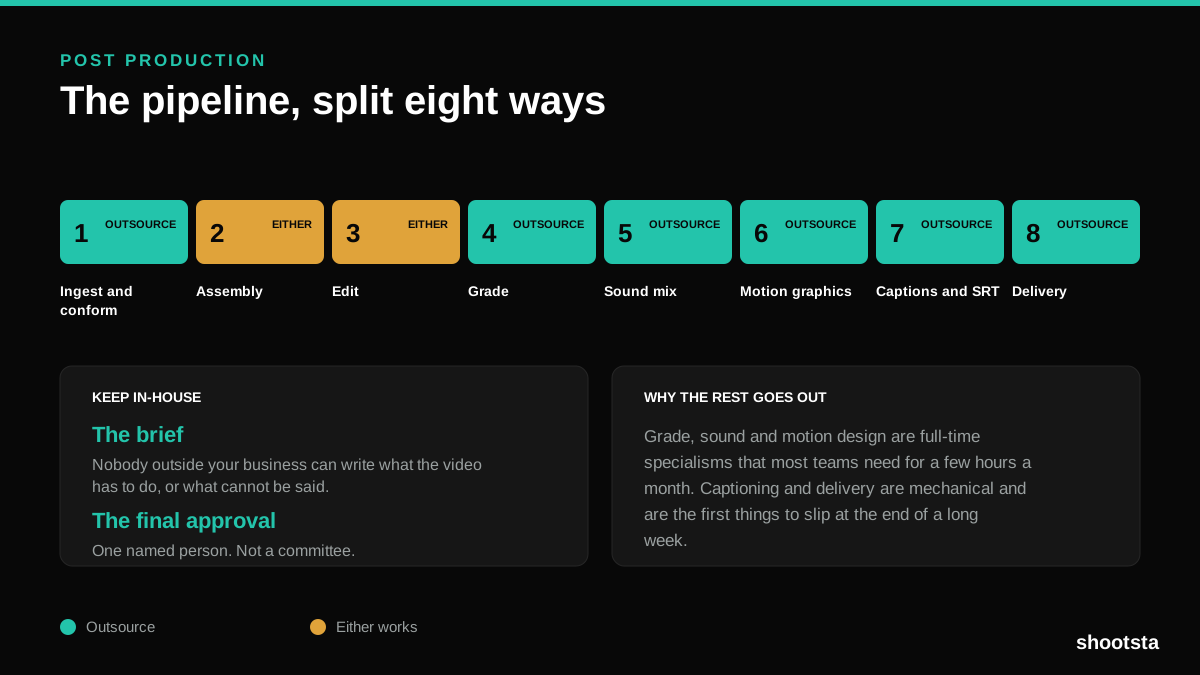
Post Production Agency or In-House Team?
Post production is eight stages, not one. Some of them need context only your team has. The rest are mechanical and are the first things worth handing over.
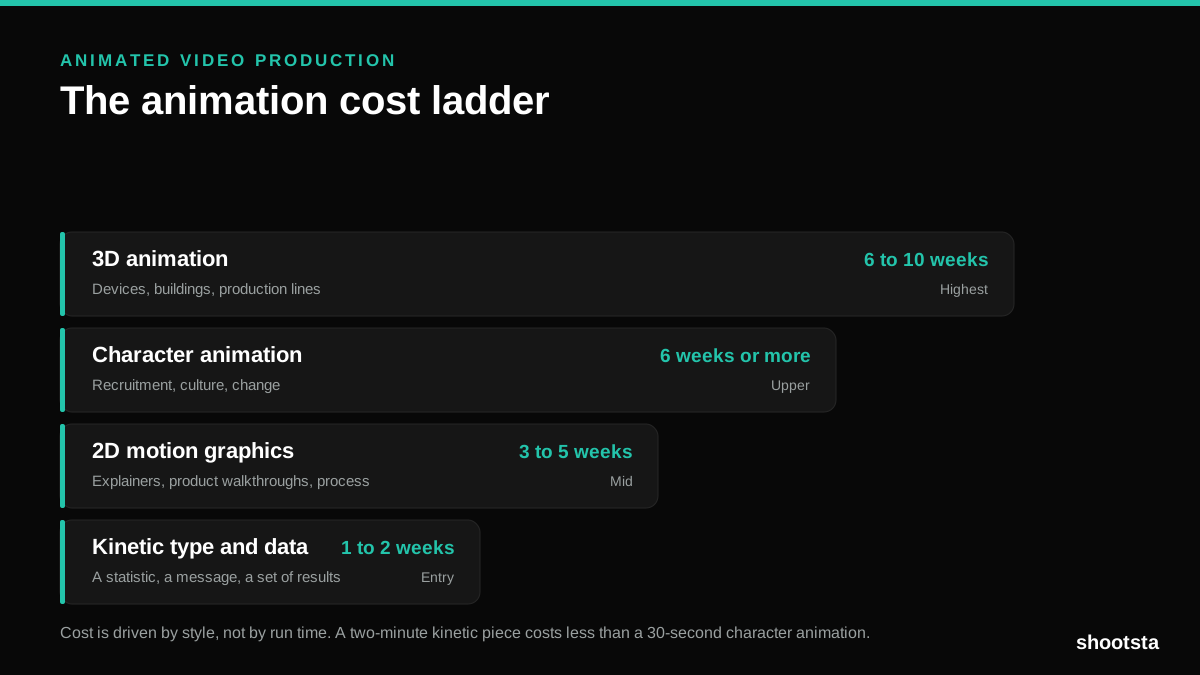
Animated Video Production Cost in the US
Animated video production costs move with style, not with length. Kinetic type, 2D motion, character and 3D sit on four rungs of a ladder. Here is what separates them.
How to Commission Medical Training Animation
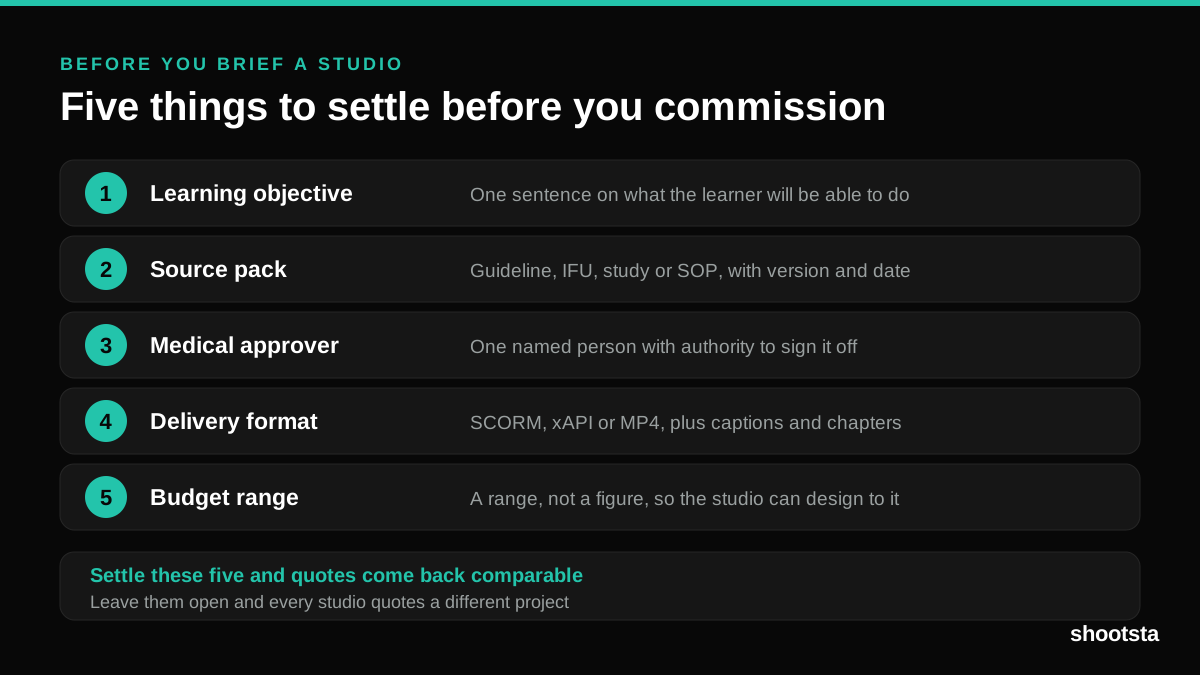
Commissioning a medical training animation is mostly decisions you make before anyone animates a frame. The brief fields that matter, what to ask a studio, how much expert time to budget, and the contract terms that stop a rebuild in two years.
How to Write an Animation Brief
How to Write an Animation Brief
Most animation briefs cause delays because they over-specify the visual style and under-specify the outcome. Here are the nine fields an animation production team needs to quote accurately and start without rework.