
shootsta.
Video Marketing Platform Integration for UK Teams
By Mark Ashworth · Published July 13, 2025 · Updated September 2026

Understanding UK Video Marketing Platform Requirements
UK businesses face distinct platform requirements including GDPR compliance, data residency options, and integration with British business systems that influence platform selection and implementation strategies. These requirements extend beyond basic functionality to encompass regulatory compliance and cultural alignment. The regulatory landscape in post-Brexit UK creates additional considerations for platform selection including data processing agreements, vendor compliance certifications, and ongoing regulatory adherence that affects long-term platform viability and business risk management.GDPR and Data Protection Compliance
Video marketing platforms serving UK businesses must demonstrate comprehensive GDPR compliance including data processing transparency, user consent mechanisms, and data subject rights fulfillment that protects both organizations and their customers from regulatory violations. Compliance considerations extend to data storage locations, third-party integrations, and cross-border data transfers that require careful evaluation during platform selection and ongoing monitoring throughout implementation and usage. Essential GDPR Compliance Features- Data Processing Transparency: Clear documentation of data collection, processing, and storage practices
- Consent Management: Robust systems for obtaining, tracking, and managing user consent
- Data Subject Rights: Tools for handling access, rectification, and deletion requests
- UK Data Residency: Options for storing data within UK or EU jurisdictions
- Vendor Compliance: Comprehensive data processing agreements and compliance certifications
- Audit Capabilities: Detailed logging and reporting for regulatory compliance demonstration
Integration with UK Business Systems
Effective platform integration requires compatibility with commonly used UK business systems including CRM platforms, accounting software, and enterprise resource planning tools that support British business operations and regulatory requirements. Integration capabilities should address both technical connectivity and process alignment that enables seamless workflow integration without disrupting existing business operations or creating additional administrative overhead.Platform Selection Criteria for UK Teams
Strategic platform selection balances functionality requirements with compliance needs while considering long-term scalability and total cost of ownership that affects budget allocation and strategic planning for UK video marketing initiatives. Selection criteria must address both immediate operational needs and future growth requirements while ensuring platform capabilities align with UK business practices and regulatory expectations throughout the organization lifecycle.Functionality and Feature Assessment
Comprehensive functionality assessment evaluates platform capabilities against specific UK business requirements including content creation tools, distribution options, analytics capabilities, and collaboration features that support team productivity and campaign effectiveness. Feature evaluation should consider both current needs and anticipated growth while assessing how platform capabilities support UK market dynamics and customer expectations for video marketing excellence. Critical Platform Capabilities- Content Creation Tools: Professional editing capabilities and template systems for efficient content development
- Distribution Management: Multi-platform publishing and scheduling for comprehensive audience reach
- Analytics and Reporting: Detailed performance measurement and ROI tracking capabilities
- Collaboration Features: Team workflow management and approval processes for UK business culture
- Asset Management: Comprehensive library organization and brand consistency tools
- Mobile Optimization: Responsive design and mobile-first capabilities for UK audience preferences
Scalability and Growth Considerations
Scalability assessment ensures selected platforms can accommodate organizational growth, increased content volume, and expanding team requirements without requiring costly platform migrations or capability limitations. Growth considerations include user capacity, storage scalability, feature expansion, and integration flexibility that support long-term UK business development and market expansion initiatives.Implementation Strategy for UK Organizations
Successful platform implementation requires systematic approaches that address technical integration, team training, and change management while maintaining business continuity throughout the transition period and ongoing optimization phases. Implementation strategy should balance ambitious capability improvements with realistic timelines and resource allocation that enables successful adoption without overwhelming existing team capacity or disrupting critical business operations.Phased Implementation Approach
Strategic implementation follows structured phases that build capabilities gradually while demonstrating value and enabling team adaptation to new systems and processes without creating operational disruption or resistance. Phased approaches enable learning and optimization while maintaining focus on business objectives and ensuring smooth transition from existing systems to integrated platform solutions. Implementation Phase Framework Phase 1 (Months 1-2): Foundation Setup- Platform configuration and initial integration with existing systems
- Team training and initial capability building
- Pilot projects to test functionality and workflow integration
- Data migration and system connectivity establishment
- Advanced feature implementation and workflow optimization
- Broader team onboarding and skill development
- Integration with additional business systems and processes
- Performance measurement and optimization system implementation
- Advanced analytics implementation and strategic insight development
- Cross-team collaboration enhancement and process refinement
- Scalability testing and capacity planning for growth
- Continuous improvement and platform evolution planning
Team Training and Change Management
Comprehensive training programs ensure successful platform adoption while addressing different skill levels and learning preferences across UK teams with diverse technical backgrounds and experience levels. Change management should address both technical skill development and cultural adaptation to new workflows and processes that maximize platform value while maintaining team productivity and morale.Integration Best Practices for UK Businesses
Platform integration best practices address common challenges while ensuring seamless connectivity with existing business systems and processes that support UK organizational requirements and regulatory compliance needs. Best practices balance technical excellence with practical implementation considerations that enable successful integration without overwhelming existing infrastructure or creating unsustainable maintenance requirements.Technical Integration Standards
- API Connectivity: Robust integration capabilities with existing CRM, marketing, and business systems
- Data Synchronization: Real-time or scheduled data updates maintaining consistency across platforms
- Security Protocols: Enterprise-grade security measures protecting data and system integrity
- Performance Optimization: Efficient resource utilization and response times for user experience
- Backup and Recovery: Comprehensive data protection and business continuity planning
- Monitoring and Maintenance: Ongoing system health monitoring and proactive maintenance procedures
Workflow Optimization Strategies
Workflow optimization ensures platform integration enhances rather than complicates existing business processes while providing clear value and efficiency improvements that justify platform investment and ongoing usage. Optimization strategies should focus on eliminating manual tasks, reducing process complexity, and improving collaboration efficiency that directly supports UK business objectives and team productivity goals.Cost Management and ROI Optimization
Strategic cost management ensures platform investments deliver measurable value while controlling ongoing expenses and optimizing resource allocation for sustainable video marketing growth and business development. ROI optimization requires understanding both direct platform costs and broader efficiency improvements that justify platform investment through improved productivity, reduced manual effort, and enhanced campaign effectiveness.Total Cost of Ownership Analysis
Comprehensive cost analysis includes platform subscriptions, implementation expenses, training investments, and ongoing maintenance costs that collectively determine true platform investment and long-term budget requirements. Cost analysis should consider both immediate expenses and long-term value creation including efficiency improvements, capability enhancements, and competitive advantages that justify platform investment decisions. Platform Cost Categories- Subscription Fees: Monthly or annual platform access costs based on usage and feature requirements
- Implementation Costs: Setup, integration, and initial training expenses for platform deployment
- Training Investment: Ongoing education and skill development for team capability building
- Integration Expenses: Technical connectivity and system integration development costs
- Maintenance Requirements: Ongoing support, updates, and system maintenance expenses
- Opportunity Costs: Alternative platform options and capability trade-offs considered
Value Measurement and Optimization
Systematic value measurement tracks platform benefits including efficiency improvements, capability enhancements, and business impact that demonstrate ROI and guide ongoing optimization efforts. Value optimization focuses on maximizing platform utilization while minimizing unnecessary costs and ensuring platform capabilities align with evolving business requirements and strategic objectives.Security and Compliance Management
Comprehensive security management ensures platform integration maintains data protection, system integrity, and regulatory compliance while supporting business objectives and protecting organizational assets and reputation. Security considerations extend beyond basic data protection to encompass system access controls, audit capabilities, and ongoing compliance monitoring that protects UK businesses from regulatory and security risks.Data Security and Protection
Robust data security ensures video marketing platforms protect sensitive business information while maintaining compliance with UK data protection regulations and industry-specific security requirements. Data protection strategies should address both technical security measures and operational procedures that prevent unauthorized access while enabling legitimate business use and collaboration requirements. Security Management Framework- Access Controls: Role-based permissions and authentication systems protecting platform resources
- Data Encryption: Comprehensive encryption for data at rest and in transit
- Audit Logging: Detailed activity tracking and compliance reporting capabilities
- Incident Response: Systematic procedures for security breach detection and response
- Vendor Management: Ongoing assessment of platform provider security practices and compliance
- Regular Reviews: Periodic security assessments and compliance verification procedures
Ongoing Compliance Monitoring
Continuous compliance monitoring ensures platform usage maintains regulatory adherence while adapting to evolving legal requirements and business changes that affect compliance obligations and risk management. Monitoring systems should provide early warning of potential compliance issues while enabling proactive remediation that prevents regulatory violations and protects business reputation.Frequently Asked Questions
What are the most important factors when selecting a video marketing platform for UK businesses?
Key factors include GDPR compliance capabilities, UK data residency options, integration with existing business systems, scalability for growth, and comprehensive security measures. Also consider total cost of ownership, vendor stability, customer support quality, and platform capabilities that align with UK business culture and regulatory requirements.How can UK businesses ensure video marketing platforms comply with GDPR requirements?
Verify platform providers offer UK or EU data residency, comprehensive data processing agreements, consent management tools, and data subject rights fulfillment capabilities. Review vendor compliance certifications, audit procedures, and ongoing regulatory adherence practices. Ensure platforms provide transparency reports and regulatory compliance documentation.What integration capabilities should UK teams prioritize when selecting video platforms?
Prioritize API connectivity with existing CRM and marketing systems, real-time data synchronization, single sign-on integration, and compatibility with commonly used UK business software. Consider integration complexity, ongoing maintenance requirements, and flexibility for future system additions or changes.How can organizations measure ROI from video marketing platform investments?
Track efficiency improvements including time savings, increased content production, and improved campaign performance. Measure cost reductions from automated processes, enhanced collaboration, and reduced manual effort. Calculate value from improved analytics, better compliance management, and enhanced team productivity against total platform investment costs.What are the typical implementation timelines for video marketing platform integration in UK businesses?
Implementation typically requires 3-6 months for full deployment including initial setup (4-6 weeks), team training (6-8 weeks), and optimization phases (8-12 weeks). Timeline depends on integration complexity, team size, existing system connections, and organizational change management requirements. Plan for ongoing optimization beyond initial implementation.Strategic Advantages of Integrated Video Marketing Platforms
UK organizations implementing integrated video marketing platforms achieve significant competitive advantages through streamlined workflows, enhanced collaboration capabilities, and improved campaign performance that supports business growth and market positioning. Proven Integration Benefits- Workflow Efficiency: 89% improvement in content creation and distribution processes
- Team Collaboration: 134% enhancement in cross-functional project coordination and communication
- Campaign Performance: 67% faster deployment and optimization of video marketing initiatives
- Compliance Management: 156% improvement in regulatory adherence and risk management
- Cost Optimization: 45% reduction in platform management overhead and operational complexity
- Scalability Achievement: 78% better capacity for handling increased content volume and team growth
Next Steps for UK Platform Integration Success
Begin with comprehensive assessment of current video marketing tools, business requirements, and integration needs to develop strategic platform selection and implementation plan aligned with organizational objectives and UK compliance requirements. Focus on systematic evaluation process that balances functionality requirements with compliance needs while ensuring selected platforms support long-term business growth and competitive positioning in UK markets. Strategic Implementation Plan- Requirements Analysis: Comprehensive assessment of business needs, compliance requirements, and integration priorities
- Platform Evaluation: Systematic comparison of platform capabilities against specific UK business requirements
- Vendor Assessment: Detailed evaluation of platform providers including compliance capabilities and support quality
- Implementation Planning: Phased deployment strategy with clear timelines and success criteria
- Team Preparation: Training program development and change management planning
- Integration Execution: Technical implementation with ongoing monitoring and optimization
- Performance Optimization: Continuous improvement and platform utilization enhancement
Transform Your UK Video Marketing Through Strategic Platform Integration
Shootsta empowers UK organizations to achieve video marketing excellence through comprehensive platform integration solutions that address regulatory requirements while delivering superior functionality and seamless user experiences. Complete UK Platform Solutions:- GDPR-compliant video marketing platform designed specifically for UK business requirements
- Comprehensive integration capabilities with popular UK business systems and workflows
- Expert implementation support ensuring smooth transition and optimal platform utilization
- Ongoing compliance monitoring and platform optimization for sustained business value
- UK-based support team providing local expertise and responsive customer service
Keep reading
- Video Marketing UK: Strategy for UK Businesses
- Video Production Workflow Automation Guide
- How to Measure Video Marketing ROI
For the production side of the same program, see marketing video production, or video production in London for the UK view.
Take this article with you
Read the latest at shootsta.com/blog/video-marketing-platform-integration-uk
You might also like

12 Branded Content Examples That Worked
Twelve pieces of branded content that people chose to watch, what each one got right, and the structure underneath all of them.
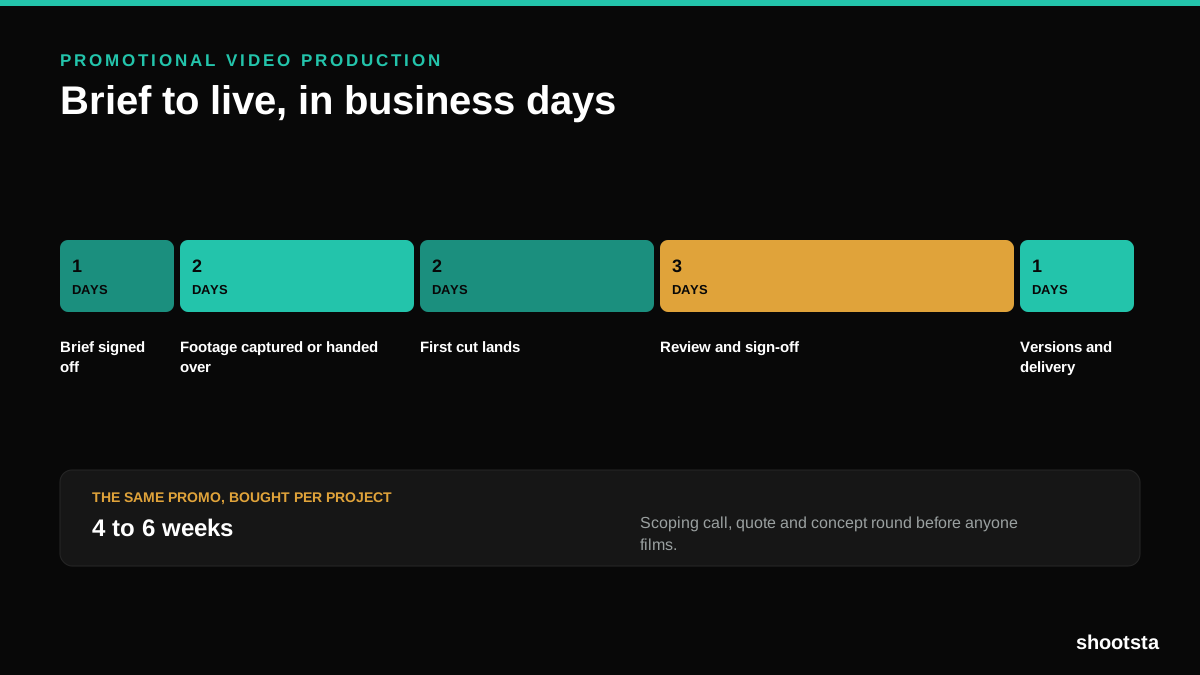
Promotional Video Production: Cost and Time
Most promotional video production schedules are not slow because of the edit. They are slow because of the approval chain. Here is where the days actually go.
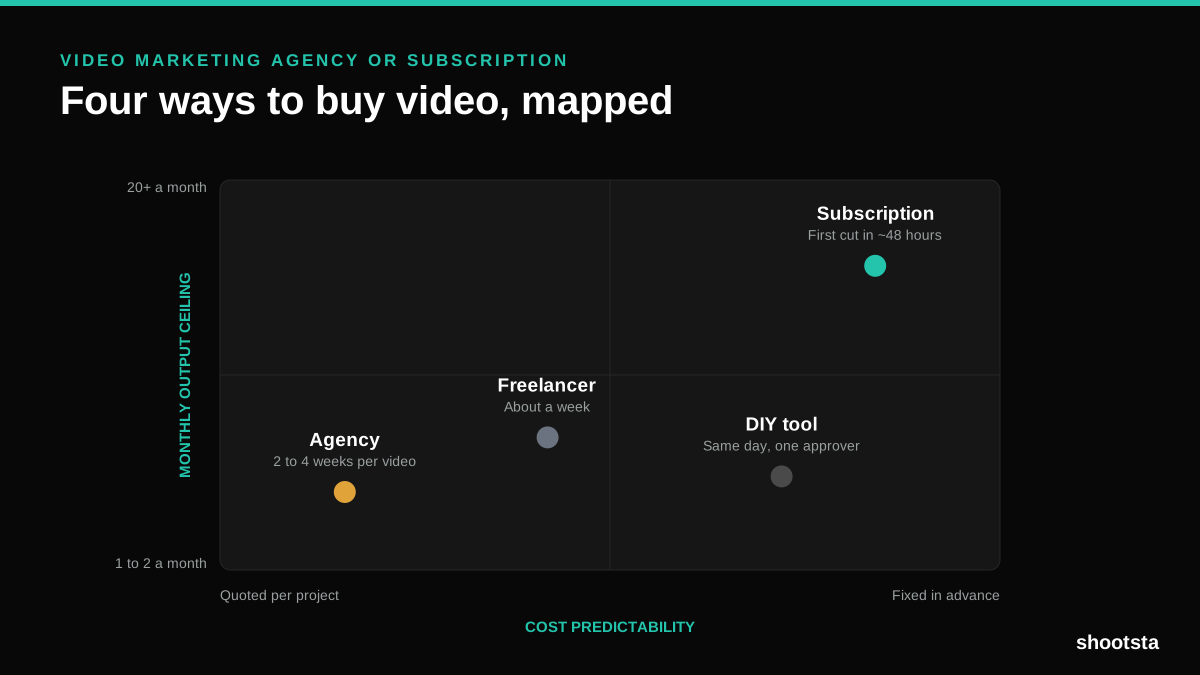
Video Marketing Agency or Subscription?
A video marketing agency prices per project and works in weeks. A subscription prices the year and works in days. Which one fits depends on how often you publish, not on which is better.

B2B Video Production: Costs and Buying Models
There are five ways to buy B2B video production. Each one works well up to a point and then breaks, usually at a volume nobody planned for. Here is what each costs and where the ceiling sits.
How to Measure Video Speed-to-Market
How to Measure Video Speed-to-Market
Speed-to-market is the lag between needing a video and publishing it. For marketing teams it is a revenue metric. Here is how to measure and improve it.
Animation for Wealth Management & Advice
Animation for Wealth Management & Advice
Wealth and advice firms have to explain complex strategies and build trust at scale, under regulation. Animation does both without putting an adviser in front of a camera every time.