
shootsta.
How to Measure Video Marketing ROI and Analytics
By Mark Ashworth · Published July 16, 2025 · Updated October 2026

Video Marketing ROI Basics
Video ROI measurement starts with the link between what you spend and what you get back. Count the direct costs and the indirect ones, and include value that shows up after the first sale. Video marketing analytics covers production costs, distribution spend, performance metrics and business impact indicators. Read together, they show whether a campaign paid for itself.Defining Video Marketing Investment Parts
To calculate ROI accurately, you must count all video marketing costs. That means creation and distribution, tech platforms and the internal staff time that rarely makes it onto the invoice. Complete Video Marketing Cost Categories- Production Costs: Creative work, filming, editing, and post-production
- Distribution Spending: Paid promotion, platform fees, and ad spend
- Technology Costs: Software subscriptions, equipment wear, and platform access
- Personnel Investment: Team time, contractor fees, and project management
- Overhead Allocation: Facilities, utilities, and admin support for video work
- Opportunity Costs: Other marketing options you passed up to focus on video
Revenue Attribution and Value Calculation
Revenue attribution connects a video to a specific business result. It has to allow for multi-touch customer journeys and long sales cycles, both of which make direct tracking harder. Your value calculation should cover the revenue you can see now and the benefits that arrive later. Brand awareness and higher customer lifetime value both belong in it, even though they are harder to price.Key Video Performance Metrics and KPIs
Video analytics should track more than one type of metric. Engagement tells you whether people watched, and business metrics tell you whether the watching led anywhere further down the funnel.Engagement and Awareness Metrics
Engagement metrics show whether a video held attention and sparked interest. They are early signals of a business result, and they only mean something when you read them next to the numbers that follow.
Essential Engagement Metrics
- View Completion Rates: What share of the video people watch, showing content quality
- Click-Through Rates: Actions taken after viewing, showing intent and engagement
- Social Sharing: Organic spread showing content appeal and brand advocacy
- Comment Quality: How deeply audiences interact and their sentiment
- Subscription Growth: Long-term audience building and ongoing relationships
- Watch Time: Total engagement length showing content value
Conversion and Business Impact Indicators
Business impact metrics connect a video to revenue and to the goals your leadership tracks. They give you the inputs for the ROI calculation itself. Conversion tracking needs an attribution model that allows for video's place in a long buying process while still separating out what the video contributed.
Key Business Metrics
- Lead Generation: Qualified prospects from video campaigns and content
- Sales Attribution: Revenue tied directly to video touchpoints
- Customer Acquisition Cost: Total spend needed to win new customers through video
- Lifetime Value Impact: Long-term customer value shaped by video engagement
- Conversion Rate Lift: Funnel improvements tied to video content
- Brand Recognition: Market awareness and consideration driven by video
Attribution Models and Customer Journey Tracking
B2B buyers touch many channels over a long decision period, which makes it hard to tie one video to one deal. A better attribution model gives you a more accurate ROI number. To see how video helps you win and keep customers, track engagement across channels and allow for the supporting role video plays next to your other marketing.
Multi-Touch Attribution Approaches
Multi-touch attribution splits the credit for a conversion across every marketing touchpoint, weighted by its influence. This gives a fairer picture of what video contributed than a single-touch model can.
Attribution Model Options
- First-Touch Attribution: Gives video credit for starting customer awareness
- Last-Touch Attribution: Gives credit to the final action before purchase
- Linear Attribution: Splits credit equally across every touchpoint on the path to purchase
- Time-Decay Attribution: Gives more credit to touches closer to conversion
- Position-Based Attribution: Weights first and last touches more, with some credit in between
- Data-Driven Attribution: Uses machine learning to find the best credit split
Cross-Platform Performance Tracking
A video program usually runs on more than one platform at once, so you need tracking that pulls the platforms into one view. It also shows what each platform adds to your overall video results, which tells you where the next dollar of spend should go.
LinkedIn is one of the trickiest platforms to measure because so much B2B value happens off-platform (meetings booked, pipeline influenced). For platform-specific measurement frameworks, see our guide to measuring LinkedIn video ROI for B2B teams.
Tools and Technologies for Video Analytics
Video analytics depends on tools that capture the full performance data and turn it into something you can act on. Choose tools that balance thorough tracking with ease of use and cost. Check that they connect to your existing marketing tech stack before you sign.
Analytics Platform Integration
An integrated platform gives you a single view of video performance across channels. It also makes deeper analysis and regular reporting much less manual.
Essential Analytics Features
- Multi-Platform Tracking: Unified data across YouTube, social media, and website video
- Attribution Modeling: Advanced customer journey analysis and conversion credit
- Real-Time Reporting: Instant performance feedback for quick adjustments
- Custom Dashboards: Tailored views for different stakeholders
- Data Export: Links to business intelligence tools and broader analytics
- Automated Insights: AI-powered trend spotting and optimization tips
ROI Calculation Tools and Frameworks
Purpose-built tools help you calculate ROI accurately, because they handle complex attribution and capture long-term value that a spreadsheet misses. Your ROI framework should still include both the hard numbers and the softer benefits, such as brand value and market position.
Advanced Analytics and Predictive Insights
Advanced analytics lets you predict how a video will perform and spot where to improve it before you spend. Machine learning in video analytics picks up patterns in audience behavior that are hard to see by hand. They help you decide what to make next.
Predictive Performance Modeling
Predictive models use past data to forecast how a new video will do. They also show which factors drive results and where a change would lift ROI.
Predictive Analytics Uses
- Performance Forecasting: Predicting campaign results from past data and content traits
- Audience Behavior Prediction: Anticipating viewer engagement and content tastes
- Optimization Tips: AI-powered ideas for improving video results
- Budget Guidance: Data-driven resource distribution across platforms and content types
- Content Strategy Insights: Pattern analysis guiding future content creation
- Risk Assessment: Spotting potential campaign problems before they hit performance
Competitive Analysis and Benchmarking
Competitive analysis puts your video numbers in context. It shows where you lead or trail industry standards. Benchmarking also helps you set realistic goals and judge performance fairly, which matters when you decide where to spend next.
Reporting and Stakeholder Communication
Reporting is how stakeholders see the value of your video marketing. Pair the detailed data with a few plain takeaways. Lead with the business value and say what you want to do with the budget next.
Executive Reporting Frameworks
Executive reports focus on business impact and the decision you need from leadership. Keep technical detail to a minimum so the main finding and the next step are easy to see.
Executive Report Elements
- ROI Summary: Clear ROI calculation and business value statement
- Business Impact: Revenue attribution, customer wins, and goal progress
- Performance Trends: Historical analysis and progress toward goals
- Competitive Position: How you perform versus industry standards and competitors
- Strategic Recommendations: Data-backed guidance for spending and direction
- Future Projections: Expected outcomes based on current data
Operational Analytics and Optimization Insights
Operational reports carry the detail and the tuning ideas, and they help your marketing team improve a campaign while it is still running. Keep the analysis thorough, and end each report with the next steps your team can act on that week.
Common ROI Measurement Problems and Fixes
Video marketing ROI measurement runs into the same few problems again and again. Attribution is complex, sales cycles are long and brand value is hard to put a number on. If you know these issues up front, you can plan around them and still get useful answers from imperfect tracking.
Attribution and Data Quality Issues
Attribution problems come from long buying paths, people switching devices and privacy laws that limit tracking. You will need a few workarounds to measure around these limits.
Common Attribution Problems
- Cross-Device Tracking: Customers using multiple devices throughout the buying process
- Privacy Regulations: GDPR and similar laws limiting data collection and tracking
- Long Sales Cycles: Extended decisions that make direct attribution hard
- Multiple Touchpoints: Complex journeys across many marketing channels
- Brand Impact Measurement: Hard to quantify awareness and consideration gains
- Offline Conversion Tracking: Linking online video views to offline purchases
Solutions and Best Practices
The fixes that work trade some measurement accuracy for something you can run every month. Combine platform data, CRM data and simple brand surveys, and accept that each one has gaps.
Analytics is one of five measures of a program that keeps its budget. Score the other four with the CMO video scorecard to check whether reporting is really where you are losing ground.
Frequently Asked Questions
What is the difference between video marketing ROI and ROAS (Return on Ad Spend)?
ROI measures total return on all video marketing spending - production, distribution, and staff costs. ROAS looks only at revenue per dollar spent on paid ads. ROI gives you the full profit picture. ROAS tells you how well your ad spend is working.
How can businesses measure video marketing ROI for brand awareness campaigns?
Brand awareness ROI needs indirect measures. Track brand search volume growth, website traffic lifts, social engagement increases, and survey-based brand recognition scores. Compare your spend against improvements in these areas using industry benchmarks to estimate the dollar value of higher brand recognition.
What attribution model works best for video marketing ROI calculation?
Multi-touch attribution models usually give the most accurate video ROI numbers, because video often plays a supporting role in complex buyer journeys. Time-decay and position-based models are a sensible default. They give video fair credit while still counting the other touchpoints.
Data-driven attribution is the most accurate option when you have enough conversion data to support it.
How long should businesses track video marketing ROI for accurate results?
Track ROI for at least 90 days with short sales cycles and 6-12 months for complex B2B purchases. Many video benefits like brand awareness and customer lifetime value show up over longer periods. Use both short-term tracking and long-term impact assessment for a full picture.
What are the most important video metrics for calculating ROI?
Focus on business outcome metrics: lead generation, sales attribution, customer acquisition cost, and lifetime value lift. Views, completion rates, and engagement tell you about content quality, but only revenue-linked metrics let you calculate actual ROI.
Strategic Value of Video ROI Measurement
Tracking video ROI in a set way gives you an edge over teams that report views alone. You get a stronger case at budget time, and you can tune campaigns on evidence.
Proven Measurement Benefits
- Budget Approval: A stronger case for getting and keeping video marketing budgets
- Campaign Tuning: Changes based on what the data shows, made while a campaign is live
- Strategic Clarity: A clear view of what video contributes to business goals
- Resource Allocation: Spend moved toward the channels that produce results
- Performance Prediction: Better forecasts for how the next video will perform
- Market Insight: A sharper read on your position against competitors
Good measurement also gives stakeholders confidence in the program. Planning gets easier when each year starts from last year's numbers.
How to Set Up ROI Measurement
A video ROI measurement system needs a plan that covers technology, process and team skills. Start with clear goals and a measurement framework that fits your business. Then add capability step by step so your team is not overwhelmed, and keep the focus on numbers you can act on.
Technology Setup
Your tech needs to capture the full data and connect to the systems you already run.
Tech Setup Priorities
- Analytics Platform: Choose tools with full tracking and advanced attribution
- Data Integration: Connect video data with CRM, sales, and BI systems
- Reporting Automation: Set up auto dashboards and reports for stakeholders
- Quality Assurance: Build data checks to make sure numbers are accurate
- Team Training: Teach staff how to analyze data and find insights
- Ongoing Improvement: Create a process for refining measurement over time
Measurement Framework Setup
A measurement framework balances thorough tracking with the time your team has. Plan for the tracking you need this quarter and for the long-term goals, and build skills that grow with the company.
Video ROI Measurement Readiness Assessment
Use this checklist to see how ready you are for full video ROI measurement. Score each line from 1 to 5 and add up the total.
Measurement Capability Check
Technology
- Analytics platforms and tracking tools giving full video data
- Integration linking video metrics with business outcome data
- Reporting systems for stakeholder updates and decisions
- Data quality checks to make sure measurements are accurate
Process and Framework
- Clear measurement goals tied to business priorities
- Attribution models that fit your business and buyer journey
- A clear method for ROI calculation covering all costs and benefits
- Regular reporting and optimization based on performance data
Team Skills and Resources
- Staff with analytics skills and business sense
- Good communication skills for reporting to stakeholders
- Ability to connect data insights to business decisions
- Commitment to learning new measurement tools and methods
Assessment Results:
- 48-60 points: Great base for full video ROI measurement
- 36-47 points: Good abilities needing targeted upgrades in specific areas
- 24-35 points: Moderate readiness needing planned development first
- Below 24 points: Basic technology and process work needed first
Next Steps for Video ROI Success
Start by reviewing your current measurement setup against what the business needs to know. Then build a framework that fits your goals and the people you report to.
Implementation Plan
- Measurement Audit: Review current analytics and find improvement areas
- Goal Setting: Set clear measurement goals tied to business objectives
- Technology Review: Check analytics tools and integration needs
- Framework Build: Create a clear approach to ROI calculation and performance review
- Process Launch: Set up regular reporting and optimization based on data
- Team Growth: Build internal skills for advanced analytics and insight work
- Ongoing Improvement: Create systems for refining measurement over time
Improve Your Video Marketing with ROI Measurement
ROI has two sides: what a video returns and what it costs to make. Your analytics stack handles the first side, and Shootsta works on the second, so each video costs less and goes live sooner.
What Shootsta adds to your ROI sum:
- Production at 50-60% below typical agency cost, which lowers the cost side of every ROI calculation
- A first cut in about 48 hours, so a campaign video goes live while the moment still matters
- Editors in Sydney, London, Singapore and San Diego who work from your brand templates
- One platform where your team briefs, reviews and approves every video
- A team that works alongside your in-house people and adds capacity when the plan grows
Get More from Your Video Spend: Lower cost per video and faster delivery both improve the return you report, with no change to your analytics setup.
If you want a lower cost per video in your next ROI report, Contact Shootsta to see how our platform and editors can help you make more video across all your campaigns.Keep reading
Take this article with you
Read the latest at shootsta.com/blog/video-marketing-roi-analytics-guide
You might also like

How to Plan Video Team Capacity Around Leave
Your only editor just booked two weeks off, and you already know which projects will slip. Chad Lakin explains how to plan video team capacity so the work keeps moving when someone is away.

Corporate Video Editing Standards: Full Guide
A two-page editing standard does more for consistency than a forty-page brand book. Here is what it should cover, who owns each part, and how to enforce it with an in-house editor or an outside partner.
Quality Control in Outsourced Video Editing
When editing leaves the building, quality has to be checked by a system rather than by whoever happens to look. Here is the system: acceptance criteria, two QA gates, counted revision rounds and a quarterly audit.
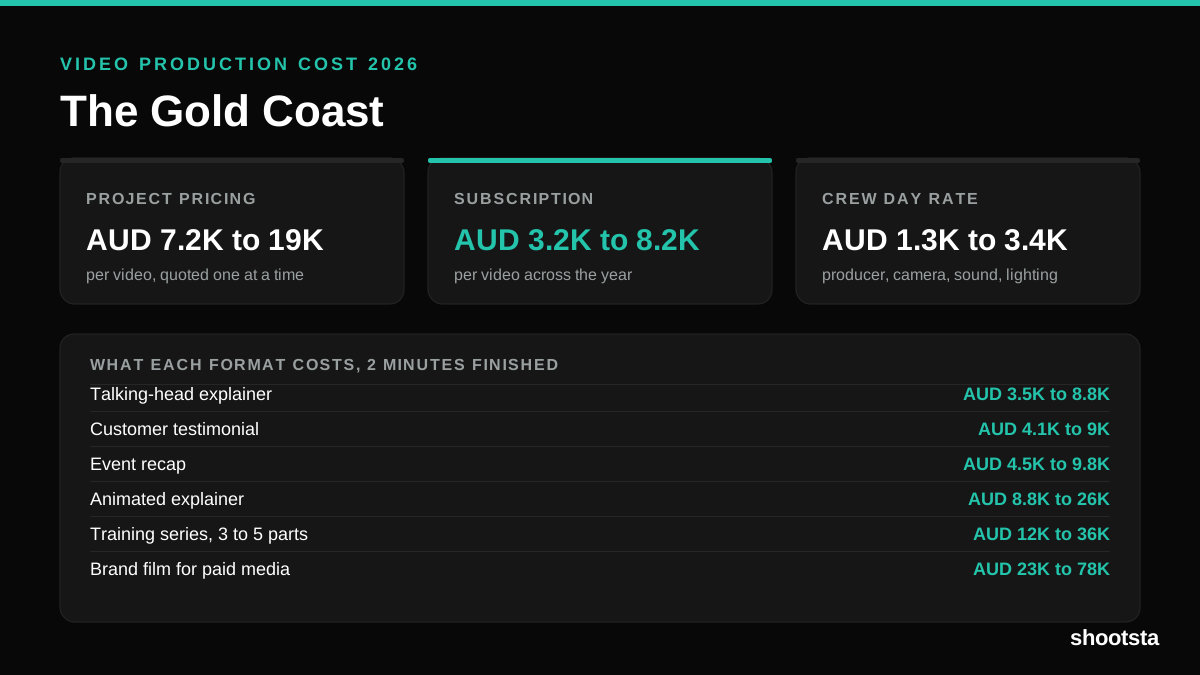
Video Production Cost on the Gold Coast 2026
Video production in the Gold Coast costs AUD 3,200 to AUD 8,200 per finished video on a subscription model, and AUD 7,200 to AUD 18,500 for one-off project work. Here is what you are paying for, and how the three pricing models compare.
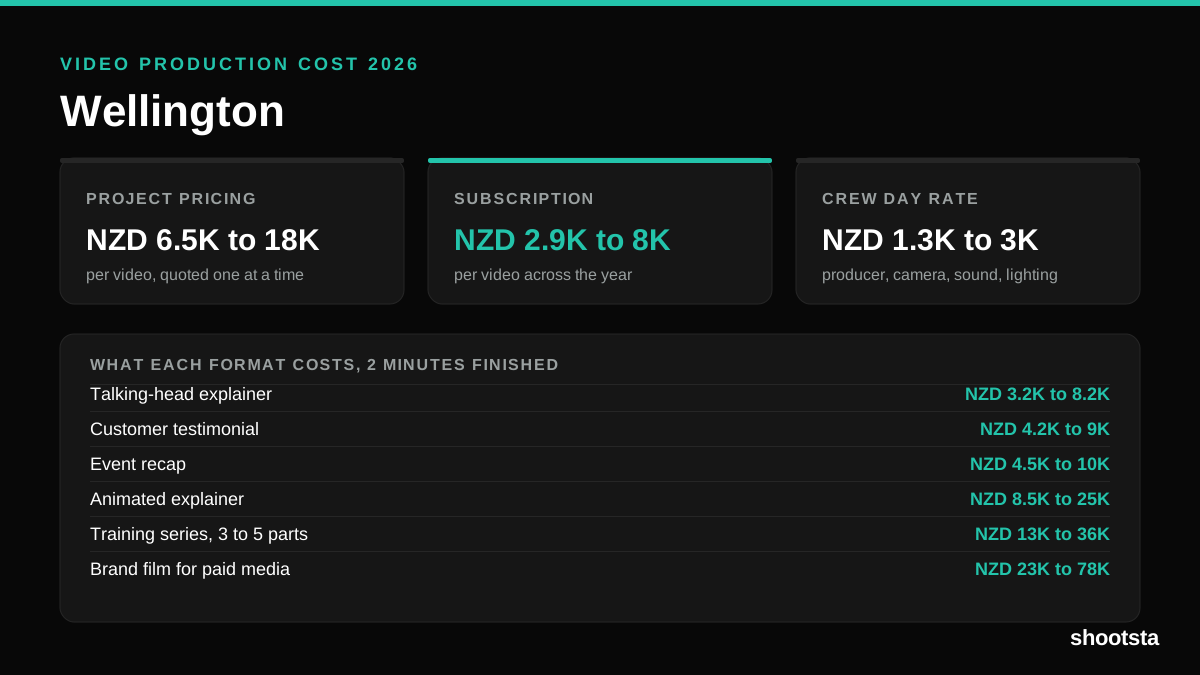
Video Production Cost in Wellington (2026)
Video production in Wellington costs NZD 2,900 to NZD 8,000 per finished video on a subscription model, and NZD 6,500 to NZD 18,000 for one-off project work. Here is what you are paying for, and how the three pricing models compare.
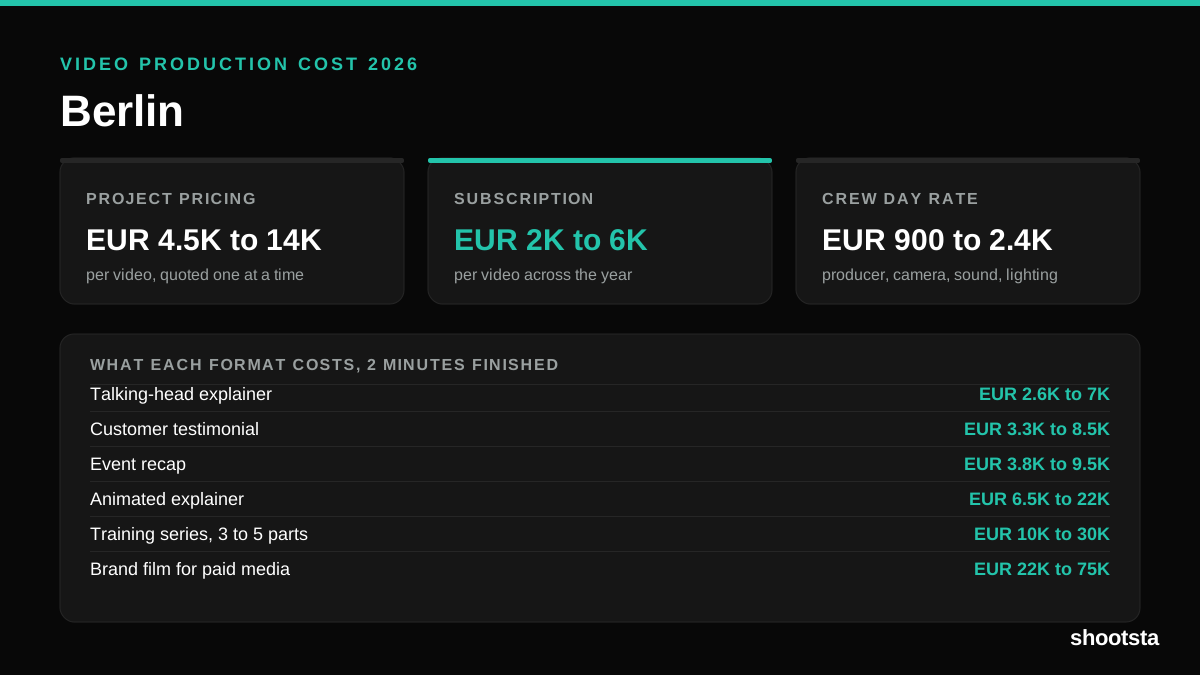
Video Production Cost in Berlin (2026)
Video production in Berlin costs EUR 2,000 to EUR 6,000 per finished video on a subscription model, and EUR 4,500 to EUR 13,500 for one-off project work. Here is what you are paying for, and how the three pricing models compare.