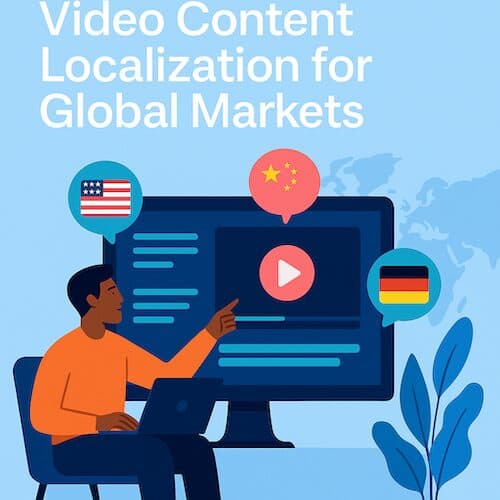
Master video localization for global success. Create international video content that resonates across cultures and drives worldwide business growth.
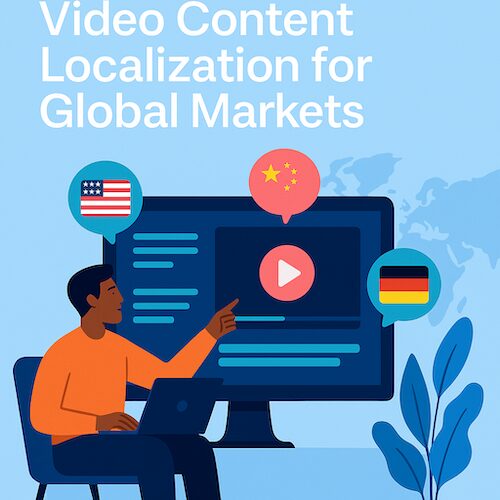
Good video localization goes well beyond simple translation. It takes full cultural adaptation to connect with international audiences in a real way.
Companies that treat localization as an afterthought often find their videos fall flat in global markets. That means wasted spend while competitors win attention with content that actually fits.
The challenge is creating international video content that keeps your brand consistent while adapting to local culture, regulations, and buyer preferences. These vary widely across markets. Companies that get this right use a structured global video strategy that balances standardization with local relevance.
Global Performance Reality: Companies with strategic video localization programs see 312% higher engagement in international markets. They also grow global revenue 89% faster than businesses using generic, one-size-fits-all video content.
Understanding Video Localization Fundamentals
Video localization covers much more than language translation. It means adapting visuals, cultural references, messaging, and technical specs so content feels natural to each audience.
Good international video content accounts for cultural values, communication styles, visual tastes, humor, and social norms. These factors shape how audiences respond to video. They often decide whether your content builds trust or creates confusion.
Cultural Adaptation Beyond Language
Cultural adaptation means understanding deep-seated values and communication habits. These shape how different audiences read visual stories, react to emotional appeals, and make buying decisions based on video messaging.
Visual elements like color meaning, imagery, clothing, settings, and lifestyle depictions must match local expectations. Getting these wrong can confuse viewers or harm your brand's reputation in that market.
Essential Cultural Adaptation Elements:
- Visual imagery and color schemes suited to local cultural contexts
- Communication styles that match local preferences for direct or indirect messaging
- Social dynamics and relationships that reflect local norms
- Religious and cultural sensitivity for diverse global audiences
- Economic and lifestyle depictions that fit local market conditions
- Legal and regulatory rules specific to each target market
Technical Localization Requirements
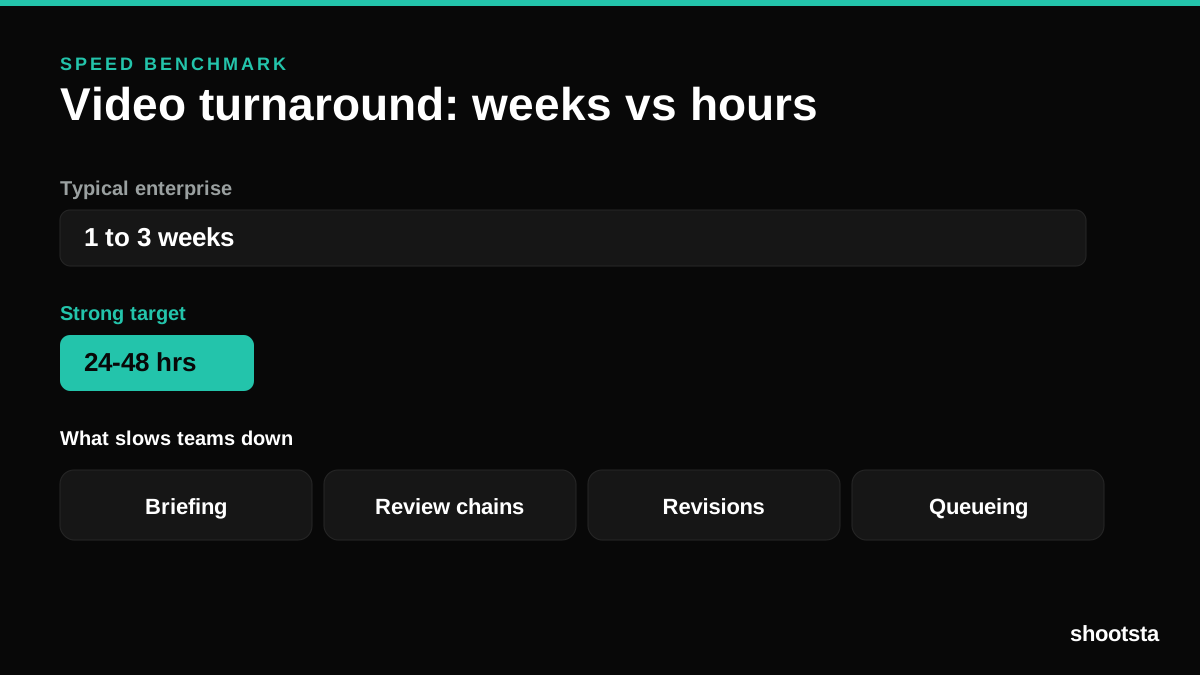
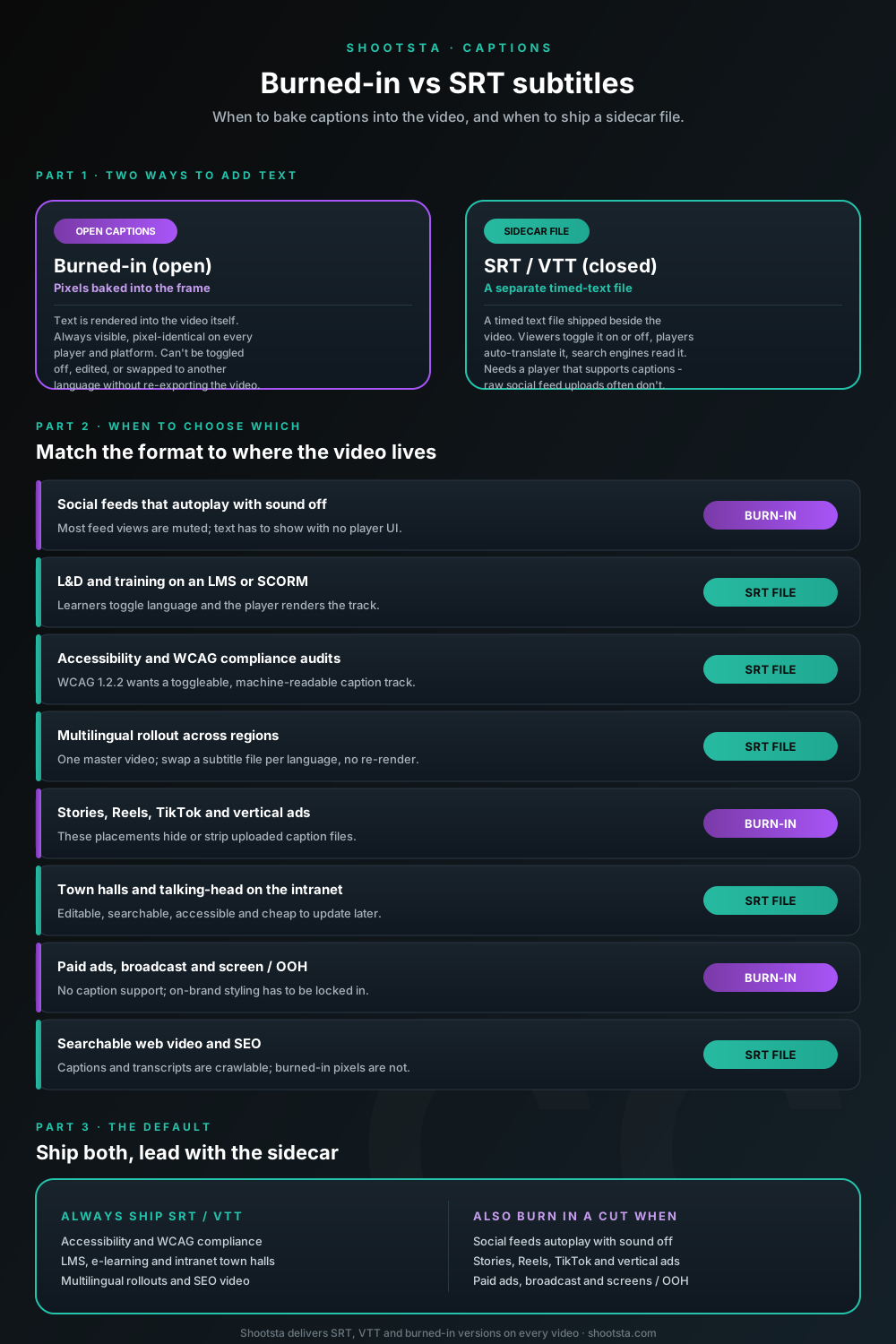
Technical localization includes subtitle formatting, audio dubbing quality, aspect ratio changes, and platform-specific tweaks. These ensure content works well across devices, internet speeds, and viewing setups common in each market.
Your global video strategy must also consider tech limits, mobile device preferences, and internet speeds. These vary widely across markets and affect how people watch video content.
Strategic Planning for Global Video Campaigns
Good video localization starts with solid planning. You need to identify target markets, audience traits, cultural needs, and business goals that will guide every localization decision.
Planning for international video means balancing global brand consistency with local relevance. The goal is building cohesive yet culturally fitting campaigns that support your broader business aims.
Market Research and Audience Analysis
Thorough market research uncovers cultural preferences, media habits, competitive gaps, and regulatory needs. This guides your localization approach and shows which adaptations will have the most impact in each market.
Audience analysis should look at demographics, mindset, and behavior patterns. These affect how different cultural groups watch video and respond to various messaging styles and calls-to-action.
Content Strategy Development
Content strategy for global markets means building flexible frameworks. These should adapt to multiple markets while keeping core brand messaging intact.
Your strategy should spell out which video elements need full localization, which stay the same across markets, and which need partial changes. This balances production efficiency with cultural fit.
Translation and Linguistic Adaptation
Professional video translation needs specialized audiovisual skills. Translators must think about more than word accuracy - they need to consider cultural context, timing limits, and technical requirements.
Language adaptation must account for sentence length differences, reading speeds, idioms, and technical terms. These all affect subtitle timing, voice-over delivery, and how well audiences understand the content.
Professional Translation Services
Quality video localization needs native-speaking translators who know both languages deeply. They also need to understand cultural contexts and industry-specific terms to get the translation right.
Professional translation should include cultural review, technical checks, and quality assurance. This confirms that the language is accurate, culturally fitting, and technically compatible with your video workflow.
Subtitling and Dubbing Considerations
Subtitling requires careful thought about reading speeds, text limits, and local preferences for how subtitles appear. These vary across markets and affect how well audiences follow the content.
Dubbing must match voice traits, emotional tone, and communication styles that the target audience expects. It also needs to stay in sync with visuals while keeping the original message and brand feel intact.
Localization Quality Standards:
- Native-speaker translation with cultural and industry knowledge
- Technical review for subtitle timing, text length, and readability
- Cultural fit checks for visual and language elements
- Quality testing across devices and viewing setups
- Brand consistency review to match global guidelines
- Legal compliance checks for each target market's rules
Cultural Sensitivity and Adaptation
Cultural sensitivity in video localization requires deep knowledge of social norms, religious factors, political issues, and historical contexts. These all shape how audiences read visual content and respond to marketing messages.
Good cultural adaptation goes beyond avoiding obvious mistakes. It means actively adding cultural elements that build positive connections and show genuine respect for local traditions and values.
Visual and Audio Cultural Elements
Visual adaptation covers clothing styles, settings, lifestyle depictions, social interactions, and symbolic elements. These should match local norms while avoiding stereotypes or insensitive portrayals that could hurt your brand.
Audio adaptation goes beyond language. It includes music styles, sound effects, voice traits, and delivery styles that match cultural preferences and create real emotional connections with international viewers.
Regulatory and Legal Compliance
International video must follow diverse rules - advertising standards, content restrictions, data protection laws, and industry regulations. These vary a lot across markets and affect how you create and share content.
Compliance covers content ratings, required disclaimers, restricted imagery, and platform-specific guidelines. All of these shape how localized video can be shared and promoted in different markets.
Technology and Platform Considerations
Modern video localization uses tech platforms that simplify translation workflows, manage multilingual assets, and enable efficient global distribution. These tools help maintain quality and brand consistency across all localized versions.
Tech solutions should support global team collaboration, version control for multiple languages, and automated workflows. This cuts localization timelines while keeping quality and cultural fit high.
Localization Workflow Management
Organized workflows keep things running smoothly between content creators, translators, cultural advisors, and tech teams. They maintain quality standards while meeting deadlines across multiple markets at once.
Good workflows include review steps, approval processes, and feedback loops. These allow ongoing improvement while catching cultural or technical errors before they affect campaigns.
Distribution Platform Optimization
Global video strategy means optimizing content for different platforms, social networks, and viewing habits in each market. These vary by region and affect how audiences find and watch localized video.
Platform optimization includes technical specs, content guidelines, and promotion tactics. These maximize visibility and engagement within each platform's audience segments and algorithm rules.
Measuring Global Video Performance
Measuring international video performance means tracking both engagement metrics and business results across cultural markets. You also need to account for different baseline levels and success criteria in each market.
Performance tracking should allow cross-market comparison while recognizing cultural differences in viewing habits, buying behavior, and what "success" looks like in each region.
Cross-Cultural Analytics
Analytics for global campaigns must account for cultural differences in viewing behavior, engagement preferences, and buying patterns. These affect how you should read performance data and make optimization choices.
Cross-cultural analytics should show which content elements drive engagement in specific markets. They should also reveal how cultural changes affect performance and which optimization tactics work best for different audiences.
ROI Analysis by Market
Market-specific ROI analysis helps you spend smarter. It shows which markets deliver the strongest returns and which cultural changes drive the biggest business impact.
ROI analysis should look at both direct metrics and longer-term brand effects. Localized video builds brand awareness, market presence, and competitive standing over time.
Frequently Asked Questions
What's the difference between video translation and video localization?
Video translation converts spoken or written language into another language. Video localization goes much further. It includes full cultural adaptation of visuals, references, social contexts, and regulatory compliance. Localization ensures content feels natural to local audiences, not just understandable.
How much should companies budget for video localization compared to original production?
Video localization typically costs 30-50% of original production budgets per target market. The exact amount depends on how much cultural adaptation you need. Budget for translation, cultural review, possible visual re-shoots, technical changes, and quality checks across all target markets.
Which video elements typically require the most cultural adaptation for international markets?
Visual elements need the most work - people shown on screen, clothing, settings, and lifestyle depictions. After that, messaging tone, humor, and social interactions matter most. Technical elements like subtitle format and audio preferences also vary a lot. Core product demos usually need only translation, not a full rework.
How can companies maintain brand consistency while adapting content for different cultures?
Keep certain brand elements the same globally - logos, color schemes, and core values. Allow flexibility in cultural expression, communication styles, and local relevance. This keeps brand recognition strong while ensuring content feels authentic in each market.
What are the most common mistakes companies make in video localization?
The most common mistakes include literal translation without cultural context, using cultural stereotypes, ignoring local regulations, spending too little on proper localization, and treating it as an afterthought. The best results come from building localization into your content strategy from the start.
Strategic Advantages of Professional Video Localization
Companies with solid localization programs gain real advantages in international markets. They build cultural credibility, improve engagement, and enter new markets faster.
Proven Global Business Benefits:
- Market Penetration: Localized video speeds up international market entry by 89% compared to generic content
- Engagement Improvement: Cultural adaptation lifts audience engagement by 312% in target markets
- Conversion Optimization: Professionally localized campaigns convert 67% better than translation-only content
- Brand Credibility: Cultural sensitivity builds trust and recognition 156% faster in new markets
- Competitive Advantage: Systematic localization sets you apart where competitors use generic international content
Professional localization also provides long-term value. It builds stronger international brand equity, better cross-cultural customer relationships, and lasting competitive positioning for continued global growth.
ROI and Business Impact Analysis
Companies investing in systematic video localization report average international revenue gains of 78% within 12 months. This comes from better targeting, stronger cultural fit, higher conversions, and faster market entry.
The business impact goes beyond sales. It includes better brand reputation, stronger customer relationships, and improved competitive standing that supports long-term growth.
Quantifiable International Business Results:
- 78% improvement in international revenue within 12 months
- 312% increase in global audience engagement and interaction
- 67% improvement in conversion rates across localized markets
- 89% faster market entry and brand recognition in new regions
- 156% improvement in brand trust and credibility internationally
Implementation Strategy and Planning
Good video localization takes a systematic approach. You need to combine cultural research, technical planning, and content development while staying efficient and maintaining quality across markets.
Start with thorough market analysis, cultural research, and strategic planning. Identify the best opportunities and build sustainable processes that support long-term global growth.
Phased Market Entry Strategy
Most companies roll out localization in phases. Start with your highest-priority markets and expand based on what works. This approach lets you learn and optimize while managing resources wisely.
Phased rollouts let you refine processes, spot winning strategies, and build internal skills before taking on more complex markets.
Resource Allocation and Team Development
Good localization needs dedicated people - cultural advisors, native translators, technical specialists, and project managers. They coordinate complex international workflows while keeping quality high.
Team development should include cultural training, technical skill building, and process improvement. This enables efficient localization and helps avoid mistakes that could hurt content performance or brand reputation.
Global Video Localization Readiness Assessment
Rate how ready your organization is for systematic video localization:
Rate Your Current Capabilities (1-5 scale):
- Global Strategy Foundation: Clear international goals and target market priorities
- Cultural Research: Understanding of target market cultural preferences and communication styles
- Technical Infrastructure: Systems and workflows for managing multilingual video production
- Translation Resources: Access to professional translation and cultural review services
- Budget Allocation: Proper resource planning for full localization across target markets
- Quality Assurance: Processes for checking cultural fit and technical quality
- Distribution Strategy: Plans for platform optimization and international promotion
- Performance Measurement: Analytics for tracking localized content results
- Team Capabilities: Internal skills for managing international video projects
- Compliance Knowledge: Understanding of rules and regulations in target markets
Assessment Results:
- 40-50 points: Strong foundation for advanced video localization
- 30-39 points: Good basics but needs targeted improvements and cultural expertise
- 20-29 points: Major gaps that need systematic development and market research
- Below 20 points: Core requirements need attention before launching international campaigns
Next Steps for Global Video Success
Start by analyzing your international priorities, target market traits, and cultural needs. This helps you find the highest-impact opportunities for video localization investment.
Build a localization framework that covers immediate content needs while also building long-term skills for sustained global video success.
Strategic Implementation Roadmap
- Market Prioritization: Identify target markets based on business potential and cultural complexity
- Cultural Research: Analyze target market preferences and communication styles
- Content Audit: Check existing video for localization potential and adaptation needs
- Resource Planning: Set budget, team, and tech needs for your localization program
- Pilot Program: Launch first localization projects in priority markets to test and measure
- Process Optimization: Refine workflows and quality standards based on pilot results
- Scaled Implementation: Expand to more markets with proven processes and success metrics
Transform Your Global Video Strategy
Shootsta helps companies run full video localization programs that drive international success. We create culturally relevant content that connects with global audiences while keeping your brand consistent and production efficient.
Complete Global Video Solutions:
- Localization planning that balances cultural adaptation with brand consistency
- Professional translation and cultural review for authentic international content
- Scalable production workflows that handle multiple markets at once
- Quality checks that ensure cultural fit and technical excellence
- Performance tracking tools that optimize content across international markets
Scale Your International Impact: From cultural research through performance optimization, Shootsta helps companies build video localization programs that speed up global growth and create lasting competitive advantages.
Ready to improve your approach to video localization? Contact Shootsta today to learn how our platform can help you create international video content that drives real results across all your global markets.