
shootsta.
How to Create a Shot List for Business Video
By Shootsta · Published February 22, 2026 · Updated October 2026
A shot list turns a script into a shoot. Here is how to build one for business video, what to include, and the shortcuts that save the most time on set.
What is a shot list?
A shot list is a planning document that breaks a video into individual shots before the camera rolls. Each row covers one camera setup: what's in frame, how it's framed, what the talent is doing, and what audio is being captured. For business video, the shot list is the bridge between a script and a productive shoot day.
Why does a shot list matter?
A missing shot costs a lot. If b-roll wasn't on the list, it doesn't exist in the edit, and the team is left with a talking-head video that needed cutaways. The cost of a shot list is small: 30 to 60 minutes of planning time saves hours of pickup shoots, last-minute stock footage searches, and edit-room compromises.
What should a shot list include?
Shot number and scene
Number every shot. When the editor asks "which take of shot 12 do you want?" the whole crew can find shot 12 on the sheet. Group shots by scene or location so the day can be ordered for fewer setup changes.
Shot type and framing
The common shot types are wide, medium, close-up, over-the-shoulder and top-down, and each one does a different job. Wides set context and mediums carry dialogue, while close-ups carry emotion or detail. A business video should have at least three shot types per scene to give the editor cutting options.
Action and dialogue
Write down what the talent is doing in the shot and what they are saying, if anything. Tie this to the script's line numbers so the editor can match takes to copy without watching every clip.
Audio notes
For each shot, choose between a lav mic, a room mic or no audio at all. B-roll usually doesn't need a mic, but interview shots always do. Note the choice on every row so audio doesn't get missed.
Props, wardrobe, location
If a shot needs a laptop, a cup of coffee, a specific shirt, or a specific room, write it down. That one line can save you a 15-minute hunt for a charging cable in the middle of the shoot.
How long should a shot list be?
For a 90-second business video, expect 8 to 15 shots. For a 3-minute customer story, 20 to 30. If the list balloons past that, the script is probably trying to do too much. Lean back into the video brief and re-check the single message before adding more setups.
Shot list format that works on set
Use a spreadsheet rather than a text document. Each row is a shot, and each column is one of the fields above. On shoot day, mark each shot as done in a status column. Print copies for the director, the camera operator and the producer, because phones die and batteries fade while paper keeps working all day.
For talking-head and interview-led shoots, build the shot list alongside the interview setup. The two documents share most of their setup notes and one can be derived from the other.
Shot list mistakes to avoid
- No b-roll plan. If b-roll isn't on the list, it won't get shot. The editor will end up with a talking head and no visual variety.
- Too many setups, too little time. Build in 15 minutes per setup change. A 20-shot list with five locations needs more of the day than you might expect, so plan the schedule before you book the talent.
- No safety shots. For each scene, plan one wide and one close-up that carries the moment, even if everything else fails.
- Forgetting transitions. Shots of hands, doorways, screens, and feet are gold for cutting between scenes. Add a few per location.
FAQs about shot lists
Is a shot list the same as a storyboard?
No. A storyboard is a visual sketch of each shot. A shot list is a written breakdown. Storyboards are useful for animated or highly designed videos. Shot lists are useful for almost every business video. Use both for big shoots.
Who writes the shot list?
Usually the director or producer, working from the script and the brief. The camera operator should review it before shoot day to flag anything that needs different gear or a different time of day.
Do I need a shot list for a piece-to-camera?
For a single talking-head video, a one-paragraph plan is enough. For anything with cutaways, locations, or multiple people, build a real shot list. The threshold is "more than one camera setup."
More from Shootsta Academy
Take this article with you
Read the latest at shootsta.com/blog/how-to-create-a-shot-list-for-business-video
You might also like
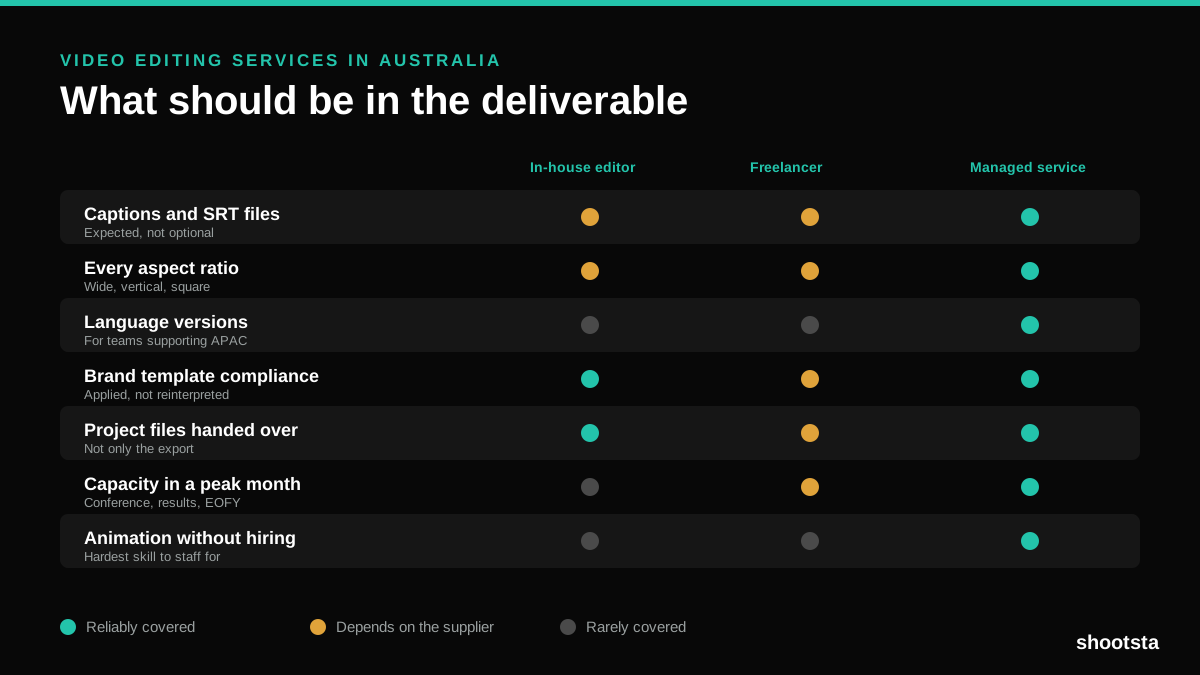
Video Editing Services in Australia
Australian teams are spread across time zones and offices, so the editing queue matters more than the editing. Here is what to expect on cost and turnaround.
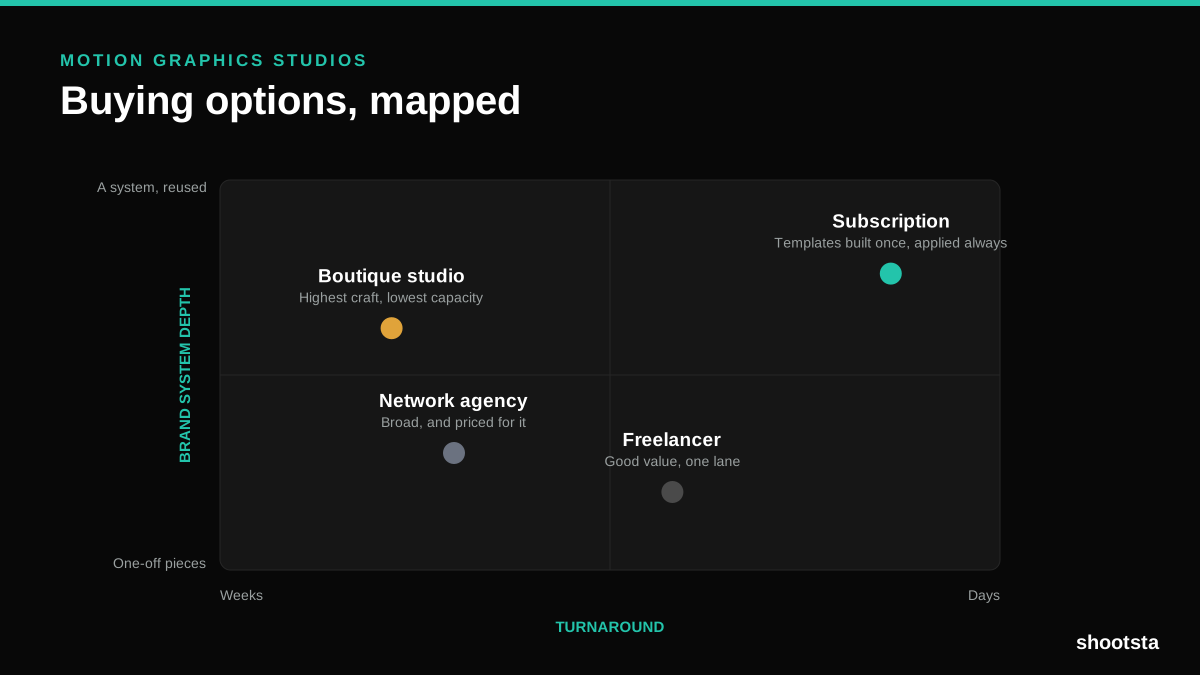
How to Choose Between Motion Graphics Studios
Every motion graphics studio has a good reel. The reel is the one thing that will not tell you how the fifth project goes. These ten criteria will.
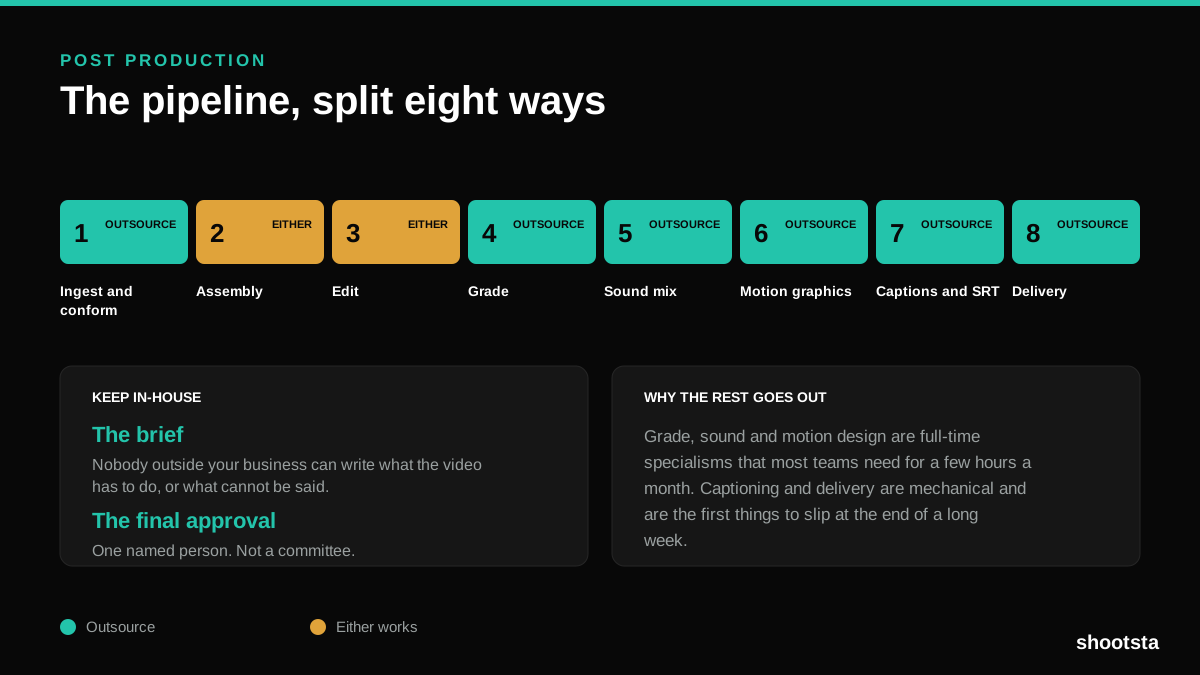
Post Production Agency or In-House Team?
Post production is eight stages, not one. Some of them need context only your team has. The rest are mechanical and are the first things worth handing over.
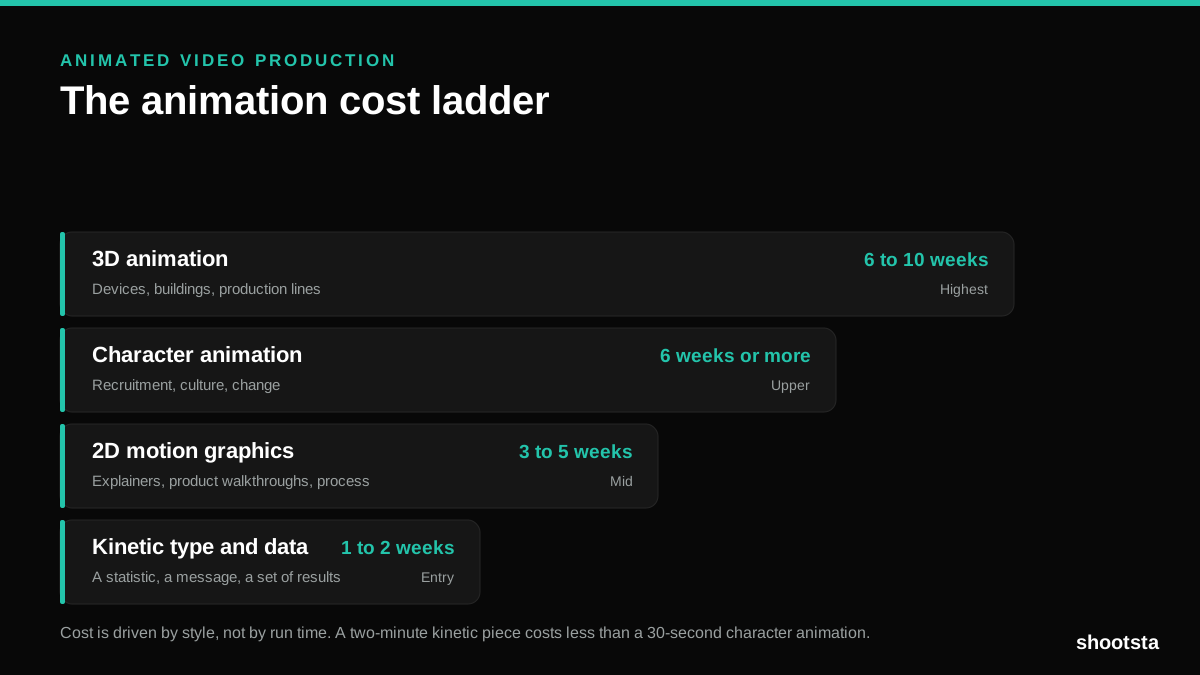
Animated Video Production Cost in the US
Animated video production costs move with style, not with length. Kinetic type, 2D motion, character and 3D sit on four rungs of a ladder. Here is what separates them.
How to Commission Medical Training Animation
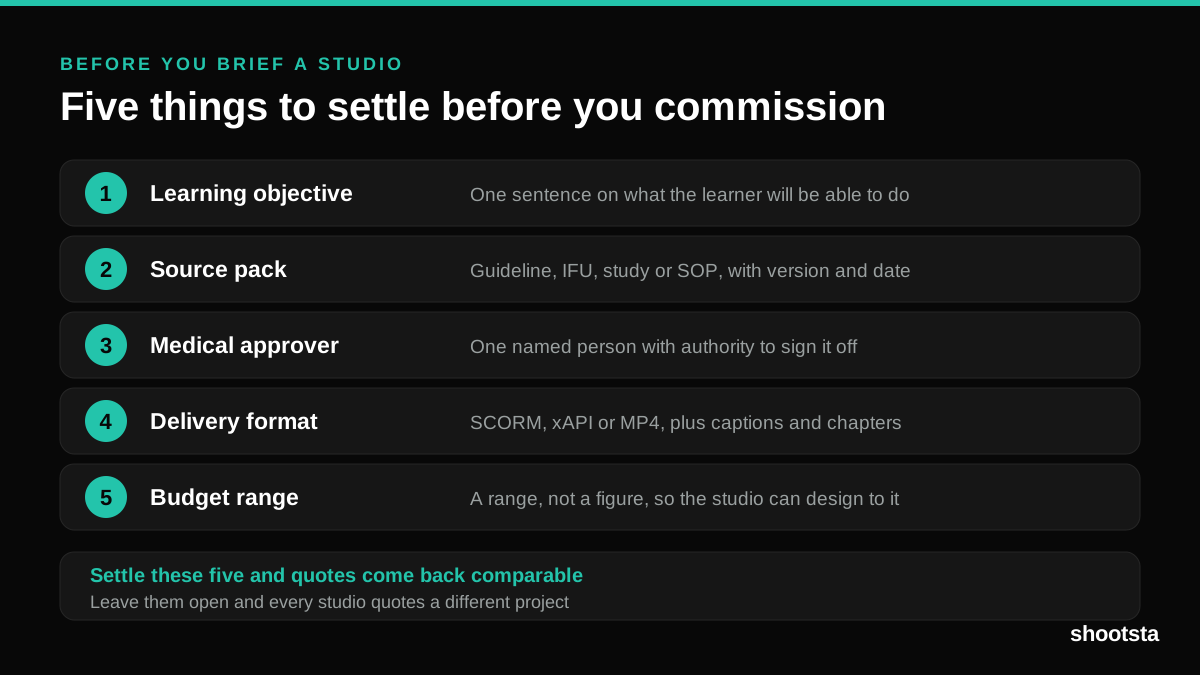
Commissioning a medical training animation is mostly decisions you make before anyone animates a frame. The brief fields that matter, what to ask a studio, how much expert time to budget, and the contract terms that stop a rebuild in two years.
How to Write an Animation Brief
How to Write an Animation Brief
Most animation briefs cause delays because they over-specify the visual style and under-specify the outcome. Here are the nine fields an animation production team needs to quote accurately and start without rework.