
Client Testimonial Videos: How to Produce Them at Scale
shootsta.
Client Testimonial Videos: How to Produce Them at Scale
By Shootsta · Published April 2, 2026 · Updated October 2026
Client testimonial videos are the most effective sales asset in B2B. Here is how to produce them without chasing customers, booking crews, or spending months on a single video.
Why are client testimonial videos so effective?
Written testimonials are easy to produce and easy to ignore. A prospect reads "Great product, highly recommend" and moves on. But when they watch a real person describe a specific problem, explain how your product solved it, and share the measurable results, the effect is different. Your prospect can read their body language and hear the conviction in their voice, which makes it easier to picture themselves in that story.
Client testimonial videos earn their place in B2B sales cycles because they answer the question every prospect asks: "Does this actually work for someone like me?"
What makes a great client testimonial video?
A specific problem, not generic praise
"They're great to work with" is not a testimonial. "We were spending 6 weeks per video with our agency and needed to produce 20 videos per quarter for our global teams" is a testimonial. Detail makes the story easy to relate to, and a prospect with the same problem will lean in.
Measurable results
Numbers make testimonials believable. "We cut our video production time from 6 weeks to 48 hours" or "We produced 45 videos in Q3 versus 4 the previous quarter" are the kinds of statements that move buyers from consideration to decision.
The right person on camera
The testimonial should come from someone your prospect can relate to. If you sell to marketing directors, feature a marketing director. If you sell to L&D managers, feature an L&D manager. The job title matters more than the company name.
Authentic setting
Film in the customer's own space, whether that is their office, their warehouse or their store. A testimonial filmed in a generic studio loses the sense of a real workplace, and the background tells part of the story.
Why is producing client testimonial videos so hard?
You probably already know you need testimonials, and the hard part is logistics. Getting a customer to agree can take weeks of follow-up, and booking a film crew adds more weeks on top. Coordinating the shoot, the edit and the review can stretch into months. By the time the video ships, the customer contact may have changed roles.
This is why so many testimonial libraries hold only a handful of videos. You need far more than that to cover each industry, use case and buyer persona you sell to.
How do you produce client testimonial videos at scale?
Flip the production model. Instead of sending a crew to the customer, give the customer the tools to film themselves.
With Shootsta, the customer can record remotely on their phone. Send them your question list and a few framing tips first, so they know what to say and how to set up the shot. You then upload the footage to your Shootsta account. Professional editors add your branding, including the intro, lower thirds, music and grading, then deliver a first cut in about 48 hours.
This approach removes the three biggest bottlenecks: scheduling (the customer films when it suits them), travel (no crew required), and cost (no per-project agency fees). You can capture testimonials from customers in Sydney, London, San Diego, and Singapore in the same week.
For higher-production testimonials, Shootsta's global network of videographers can handle on-location shoots. Either way, the editing and branding is handled centrally so every testimonial looks and feels consistent.
Where should you use testimonial videos?
Don't bury testimonials on a case studies page that nobody visits. Put them in the places where buyers make decisions.
Place a 60-second testimonial near the primary CTA on your homepage. On product pages, match each one to the specific product or use case. Your reps can send relevant testimonials in sales emails before and after meetings. Landing pages work best with testimonials matched to the campaign's target audience, and on LinkedIn, customer stories perform well as both organic and paid posts.
Read our guide on testimonials vs case studies to understand when each format works best, or explore our full testimonial video production page.
Take this article with you
Read the latest at shootsta.com/blog/client-testimonial-videos-how-to-produce-at-scale
You might also like
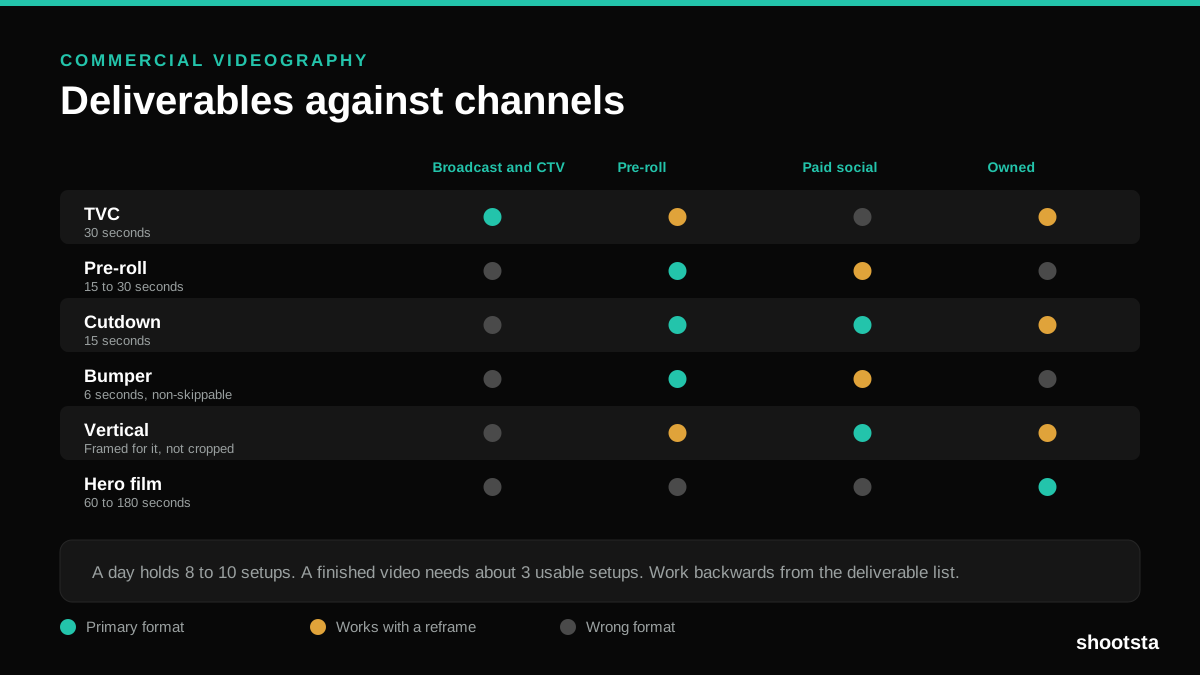
Commercial Videography: Cost and Scope
Commercial videography is priced by the day and judged by the deliverable. Most projects go wrong because those two numbers were never reconciled.
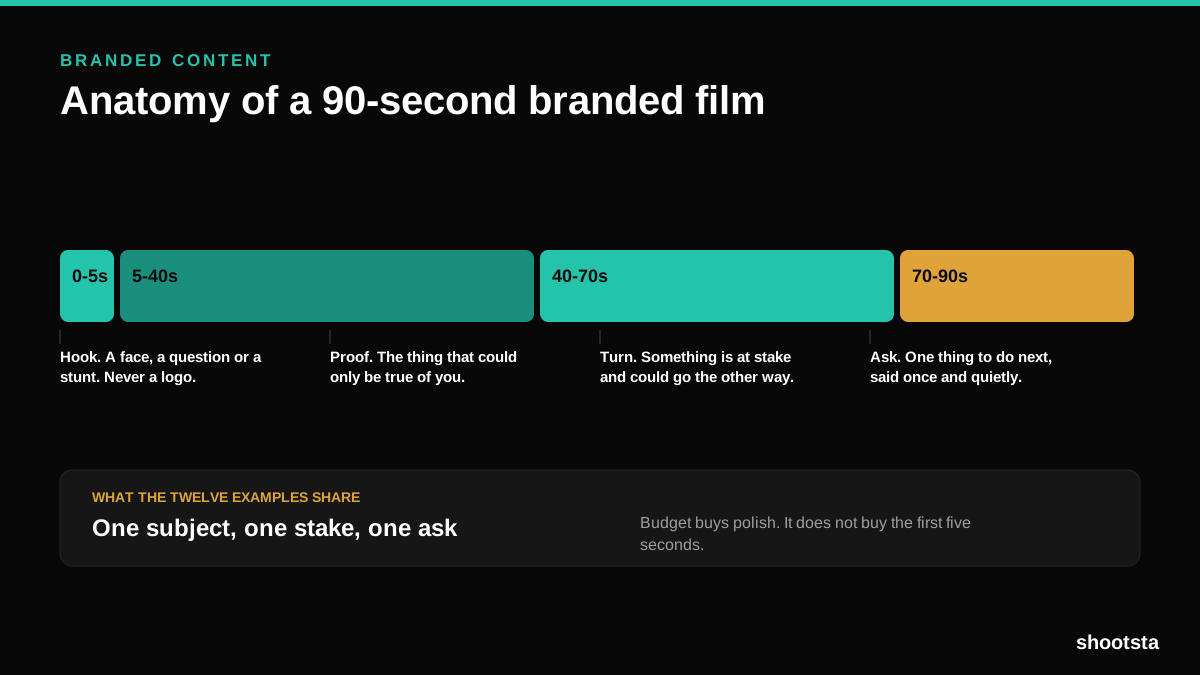
12 Branded Content Examples That Worked
Twelve pieces of branded content that people chose to watch, what each one got right, and the structure underneath all of them.
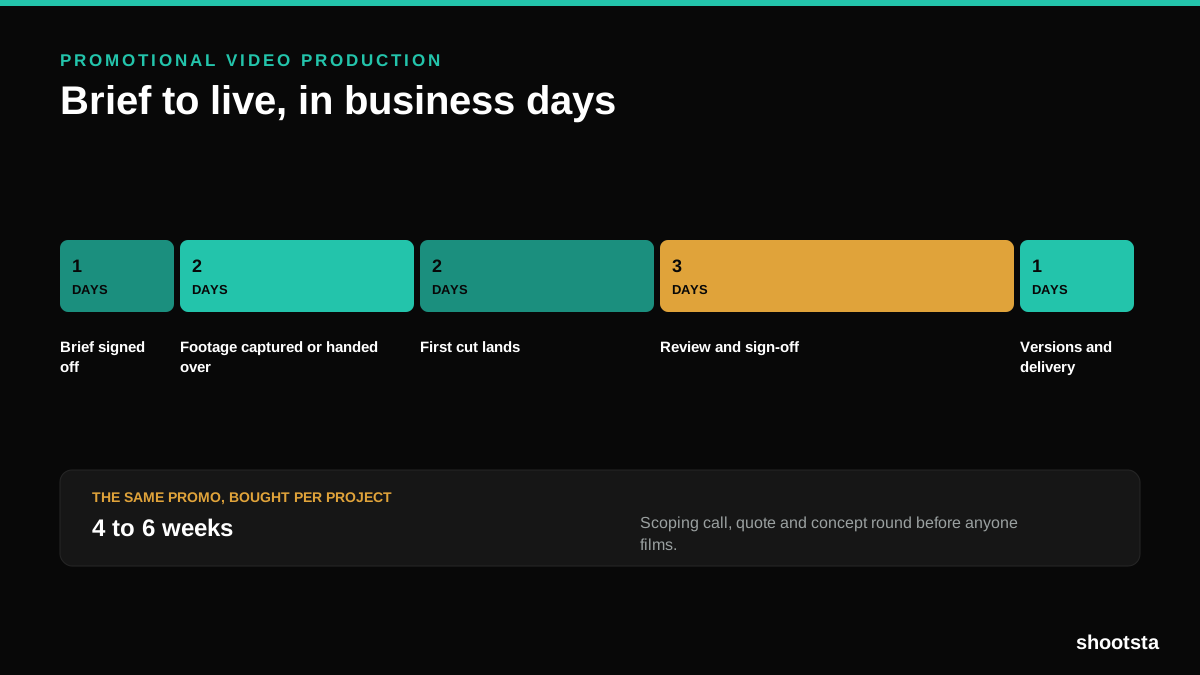
Promotional Video Production: Cost and Time
Most promotional video production schedules are not slow because of the edit. They are slow because of the approval chain. Here is where the days go.
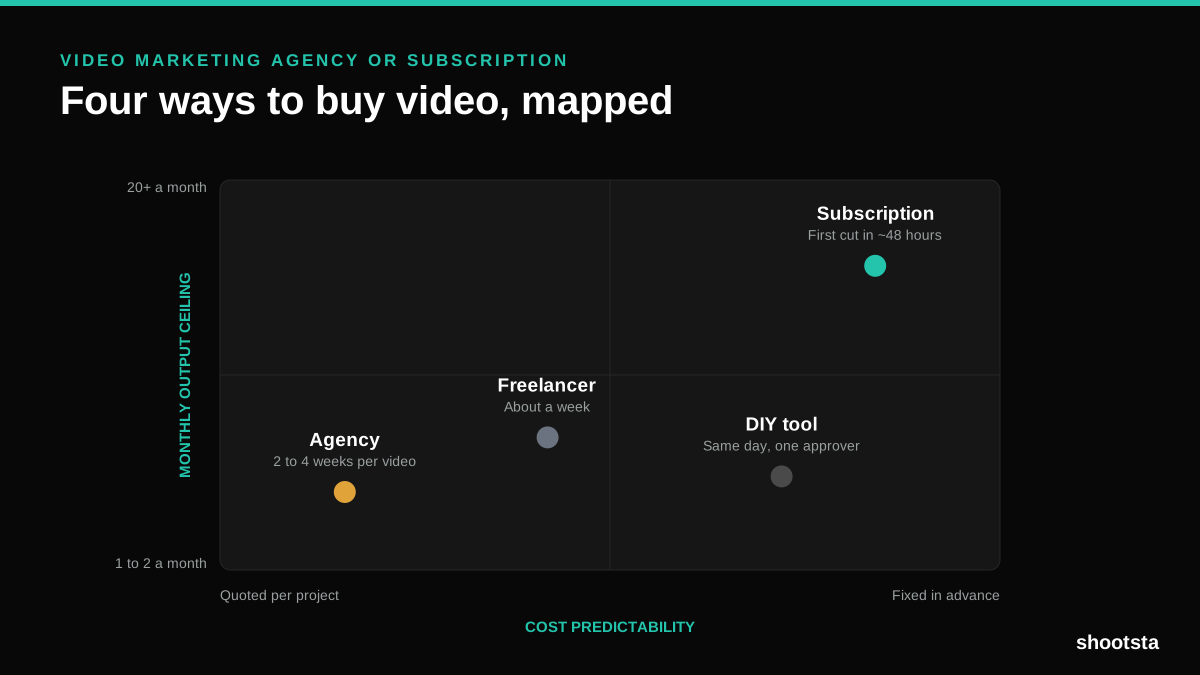
Video Marketing Agency or Subscription?
A video marketing agency prices per project and works in weeks. A subscription prices the year and works in days. Which one fits depends on how often you publish, not on which is better.

B2B Video Production: Costs and Buying Models
There are five ways to buy B2B video production. Each one works well up to a point and then breaks, usually at a volume nobody planned for. Here is what each costs and where the ceiling sits.
How to Measure Video Speed-to-Market
How to Measure Video Speed-to-Market
Speed-to-market is the lag between needing a video and publishing it. For marketing teams it is a revenue metric. Here is how to measure and improve it.