
shootsta.
Setting Goals for Video Marketing
By Mark Ashworth · Published July 2, 2025 · Updated October 2026
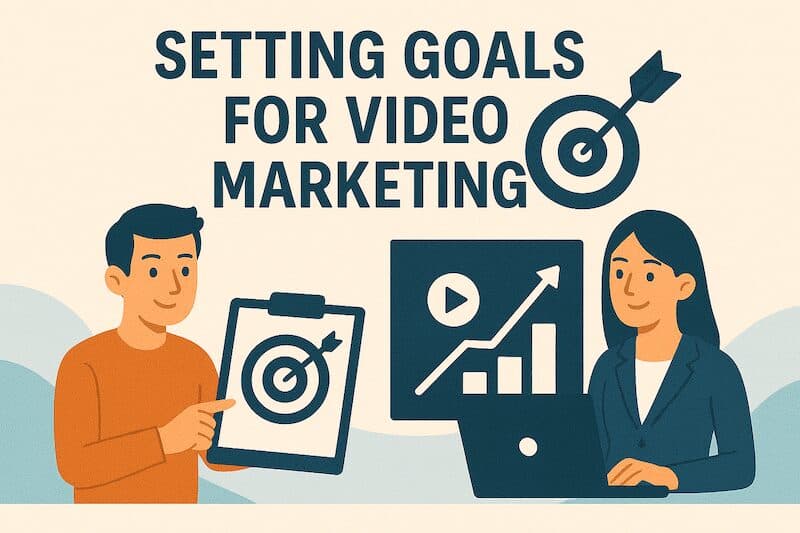
Strategic Framework for Video Marketing Goal Setting
A goal-setting framework links each video to a business objective. It measures both how a video performs in its first weeks and what it does for the business over months. When each video maps to a marketing objective, your budget follows your priorities. Clear success criteria also guide creative calls, such as what to cut when money is tight.Business Objective Alignment and Strategic Integration
Your video goals should support the goals the business already has, such as revenue growth, new markets, customer acquisition or brand building. To make that link, work out where video sits in your sales funnel and customer journey. A product demo near the bottom of the funnel needs different numbers from a brand film at the top. Strategic Goal Alignment Framework- Revenue Generation: Targets for leads, conversion and shorter sales cycles
- Brand Building: Goals for awareness, how buyers see you and where you sit in the market
- Customer Engagement: Goals for retention, satisfaction and repeat business
- Market Expansion: New audience acquisition and geographic market penetration targets
- Competitive Advantage: Goals for standing apart from rivals and growing market share
- Operational Efficiency: Goals for lower cost per video and a faster process
SMART Goal Development for Video Marketing
SMART goals are Specific, Measurable, Achievable, Relevant and Time-bound. For video, that means each goal names a number you can track and a date to hit it by. It should also name the business result you expect. Written this way, a goal tells everyone who owns it and how far along it is. The example below is a template to adapt, and its numbers are placeholders for your own.Key Performance Indicators for Video Marketing Success
Video marketing KPIs fall into a few groups. Engagement metrics show whether people watch. Conversion metrics show whether they act, and brand and business metrics show whether any of it paid off. Pick a mix of leading and lagging indicators. Leading ones, like completion rate, give you an early signal. Lagging ones, like revenue influenced, take longer but are what your CFO will ask about.Engagement and Audience Metrics
Engagement KPIs tell you how people interact with a video. Completion rate, replays, shares and comments all show whether the message landed with the audience. These numbers are most useful for spotting what to fix. If viewers drop off in the first few seconds, the opening needs work. If they finish but never click, the call to action is the problem. Essential Engagement KPIs- Video Completion Rate: The share of viewers who watch to the end, which signals quality and relevance
- Average View Duration: How long people watch before they leave
- Replay Rate: How often people watch again, which suggests the video is useful
- Social Sharing: How often viewers pass the video on to their own networks
- Comment Engagement: The number and quality of comments a video draws
- Click-Through Rate: The share of viewers who click through to the next step
Conversion and Business Impact KPIs
Business impact KPIs connect video to revenue. They include leads generated, deals influenced, customer acquisition cost and customer lifetime value. These are the numbers that show your video program is helping the business grow. Measuring conversion is harder than measuring views, because a buyer may watch several videos and read a run of emails before they sign. You need multi-touch attribution in your CRM to give video fair credit.Setting Realistic and Achievable Video Marketing Targets
A realistic target starts from what you know: your past results, your market, what competitors are doing and what your team can produce. From there, set a stretch target that pushes the team a little. If it is far beyond reach, people stop trying. Outside the business, check market trends and what rivals spend on video. Inside, be honest about your budget, skills and tools, because each one caps what a campaign can do.Baseline Performance Analysis and Benchmarking
Start by measuring where you are today. Pull your current numbers, compare them with industry benchmarks and see where you sit against competitors. That baseline is what every improvement target is built on. Numbers are only part of the picture. Brand position, how your audience sees you and the state of your market all shape how far a video program can go. Performance Baseline Evaluation- Historical Performance: Past campaign results, trend analysis, and performance trajectory assessment
- Industry Benchmarks: Competitive performance standards and market average comparisons
- Resource Assessment: Budget availability, team capabilities, and technology infrastructure evaluation
- Market Analysis: How your audience watches, which platforms perform and what competitors are doing
- Seasonal Factors: Cyclical performance patterns and timing considerations for goal achievement
- Growth Potential: Market opportunity assessment and expansion possibility evaluation
Progressive Goal Setting and Milestone Development
Break each annual goal into quarterly and monthly milestones. Smaller targets keep the team moving and show early when a campaign is off track. Keep the interim targets within reach, even if the annual goal is ambitious. Each milestone is also a good point to review the plan.Video Content Strategy Alignment with Marketing Objectives
Aligning video with marketing objectives means planning each video against a goal before anyone picks up a camera. A clear goal makes it easier to judge whether it worked. In practice, you map each format, message and channel to an objective. The brand has to stay consistent across all of it.Content Format Selection for Specific Objectives
Each video format suits a different objective. Educational videos help with lead generation, product demos help close sales and brand stories build awareness. Each one also needs its own production approach and its own measure of success. When you choose a format, weigh the goal against what your audience likes to watch. A simple explainer can beat a costly shoot if it answers the question your buyer is asking. Video Format and Objective Alignment- Educational Content: Lead generation and thought leadership
- Product Demonstrations: Explaining features and helping buyers decide
- Customer Testimonials: Building trust with social proof that lifts conversion
- Brand Storytelling: Building awareness and setting your brand apart
- Behind-the-Scenes: Showing your people and company culture
- Event Coverage: Extending the reach of an event and your place in the industry
Distribution Strategy and Channel Optimization
A video only works if the right people see it. Plan distribution as carefully as the shoot, and cut each video to suit the platform it will run on. Each channel has its own audience and its own habits. Match the channel to the objective and the audience you want to reach.Measurement Systems and Analytics Implementation
Your measurement system is how you know whether a goal is on track. It should also tell you what to change next. Pull data from several sources into one view. You want live numbers for day-to-day tweaks and trend data for planning the next quarter.Analytics Platform Integration and Data Collection
Connect your video analytics to the rest of your marketing stack. That means your website analytics, marketing automation tool and CRM. Only then can you trace a view through to a lead and a deal. With the tools connected, you can see the whole customer journey in one place. Check the data is clean before you trust it. Essential Analytics Components- Video Platform Analytics: Views, engagement and audience data from the video host
- Website Analytics: Traffic and conversions that come from pages with video
- Marketing Automation: Lead scoring and nurture tracking tied to video views
- CRM Integration: Which deals video influenced and the revenue tied to them
- Social Media Analytics: How each video performs across social platforms
- Custom Dashboards: One report per goal, updated as the data comes in
Performance Reporting and Optimization Frameworks
Report on a fixed schedule so progress against each goal stays visible. It also gives leaders what they need for budget calls. Keep each report short. Show progress against the goal, explain what moved and recommend one or two changes.Common Goal-Setting Mistakes and Solutions
Goal setting for video often goes wrong in the same few ways. Targets are set too high, measurement is too hard to run, or the goals do not match what the business needs. Better planning at the start fixes most of these. If you know these traps before you start, you can plan around them.Avoiding Vanity Metrics and Focusing on Business Impact
It is tempting to report total views or follower growth because they are easy to pull. They say little about revenue, though. Conversion-focused KPIs show whether your marketing is working and what it adds to the pipeline. Tracking business impact takes more setup, since you have to connect video data to revenue. The payoff is clear accountability. You can show what the budget returned and which objectives it moved.- Unrealistic Timeline Expectations: Setting deadlines without allowing for the market or the time a campaign takes to build
- Vanity Metric Focus: Reporting big numbers that say nothing about business results
- Insufficient Resource Allocation: Setting big goals without the budget, people or tools to reach them
- Poor Baseline Understanding: Setting targets before you know your current numbers
- Single-Channel Thinking: Judging each platform alone instead of the campaign as a whole
- Attribution Oversimplification: Using last-click attribution instead of multi-touch customer journey analysis
Frequently Asked Questions
How should companies set realistic video marketing goals for the first time?
For a first set of goals, focus on setting a baseline rather than chasing fast growth. Aim for a modest gain over your current numbers while you build the systems to measure it. Keep the first timeframe short, a quarter or two, and treat it as a learning period. Good first goals include a steady output schedule, engagement from the right audience and working measurement.What KPIs are most important for measuring video marketing ROI?
The KPIs that show ROI are cost per acquisition, marketing qualified leads, deals influenced and customer lifetime value. Revenue attribution needs multi-touch analysis. Conversion rate, lead quality scores and shorter sales cycles give you earlier signals of business impact. Keep the core list short, with a handful of KPIs that cover engagement depth, conversion and revenue influence. Drop any metric that does not connect to a business outcome.How often should video marketing goals be reviewed and adjusted?
Review performance monthly, check the goals themselves each quarter and reset them once a year. Weekly check-ins keep live campaigns on track, while monthly reviews show trends and what needs to change. Each quarter, ask whether the goal still fits the business and is still within reach. Hold goals steady long enough to judge them, but change them when the data says they are wrong.What benchmarks should be used for setting video marketing performance targets?
Benchmarks vary a lot by sector, audience and platform. B2B and B2C video convert at different rates, and a complex product converts more slowly than a simple one. Each platform also reports its own averages for view duration, engagement and click-through. Use industry reports, competitor checks and the benchmarks your platforms publish. Then focus on beating your own last result rather than the top of the industry, at least in your first year.How can small businesses set achievable video marketing goals with limited resources?
With limited resources, aim for focus rather than broad reach. Pick one or two platforms where your buyers spend time and do them well. Set starting goals around a steady monthly output, views from the right people and a set number of qualified leads each quarter. Make evergreen videos that stay useful for a long time, film several in one session and give each one a clear next step. A regular schedule keeps your audience coming back.Strategic Goal Achievement Framework
Reaching your video goals takes a plan that pairs ambitious targets with work your team can deliver. It also needs clear measurement, so you know what to change as you go. Here is what a structured approach gives you. Video Marketing Goal Benefits- Performance Clarity: You can show what each video returned, because you set the measure before you made it
- Resource Optimization: Budget goes to the videos tied to your top objectives
- Campaign Success: Campaigns with clear KPI targets are easier to steer and finish on plan
- Strategic Alignment: Every video links back to a business objective
- Team Accountability: Each goal has an owner and a number they can track
- Continuous Improvement: Regular measurement shows what to fix sooner
Video Marketing Goal-Setting Readiness Assessment
Use this checklist to see how ready your team is to set video marketing goals and track KPIs against them. Goal-Setting Readiness Framework Score each of the 12 statements below from 1 to 5, then add up your total. Strategic Foundation- We know our business objectives and how video marketing supports them
- We have past performance data and baseline metrics to set realistic goals
- Our stakeholders agree on the plan and executives back the video budget
- We know our market and what competitors do, so we can set benchmarks
- We have analytics and tracking tools that measure video performance
- We use attribution and customer journey analysis to work out ROI
- We have regular reports and dashboards that track progress against goals
- Our video data connects to business outcomes in the CRM
- We can produce enough video, with the budget and people to reach our goals
- We have a distribution plan and know which channels work best
- We review results and make changes on a regular schedule
- Our team gets the training it needs to keep hitting goals
- 48-60 points: You are ready to set and track a full set of video marketing goals
- 36-47 points: You have a good base, with a few gaps to close first
- 24-35 points: Do some groundwork before you set advanced goals
- Below 24 points: Start with the basics of strategy and measurement
Next Steps for Video Marketing Goal Success
Start by measuring your current performance and agreeing which business objectives video should support. Then set up the tracking you need to follow each goal through a campaign. Keep targets realistic and choose measures that tell you what to do next. As the program grows, build your team's skills so it can keep hitting its goals year after year. Goal Implementation Action Plan- Baseline Assessment: Measure current performance and what your team can do
- Objective Alignment: Tie each video plan to a business goal and priority
- KPI Development: Choose KPIs that connect to business results
- Target Setting: Set realistic goals with milestones and dates
- Measurement Implementation: Connect your analytics tools and switch on tracking
- Optimization Process: Review results on a schedule and act on them
- Strategic Refinement: Update goals as the business changes
Achieve Video Marketing Excellence Through Strategic Goal Setting
Shootsta helps enterprises reach their video marketing goals. We plan videos around your business objectives and help you set up the measures that show what they returned. Our team extends your in-house team, so your people keep control of the brief. Complete Goal Achievement Solutions:- Help setting goals and choosing KPIs that match your business objectives
- Advice on measurement and analytics so you can track progress
- A video plan built around your marketing goals and targets
- A regular review process to improve results over time
- An account team that knows your brand and your goals
Keep reading
- Setting Achievable Video Marketing Goals and KPIs
- How to Measure Video Marketing ROI
- Video Marketing Budget Planning
To score your own program against the same measures, use the video scorecard. For the production side, see marketing video production.
Take this article with you
Read the latest at shootsta.com/blog/video-marketing-goals-kpis-guide
You might also like

How to Plan Video Team Capacity Around Leave
Your only editor just booked two weeks off, and you already know which projects will slip. Chad Lakin explains how to plan video team capacity so the work keeps moving when someone is away.

Corporate Video Editing Standards: Full Guide
A two-page editing standard does more for consistency than a forty-page brand book. Here is what it should cover, who owns each part, and how to enforce it with an in-house editor or an outside partner.

Quality Control in Outsourced Video Editing
When editing leaves the building, quality has to be checked by a system rather than by whoever happens to look. Here is the system: acceptance criteria, two QA gates, counted revision rounds and a quarterly audit.
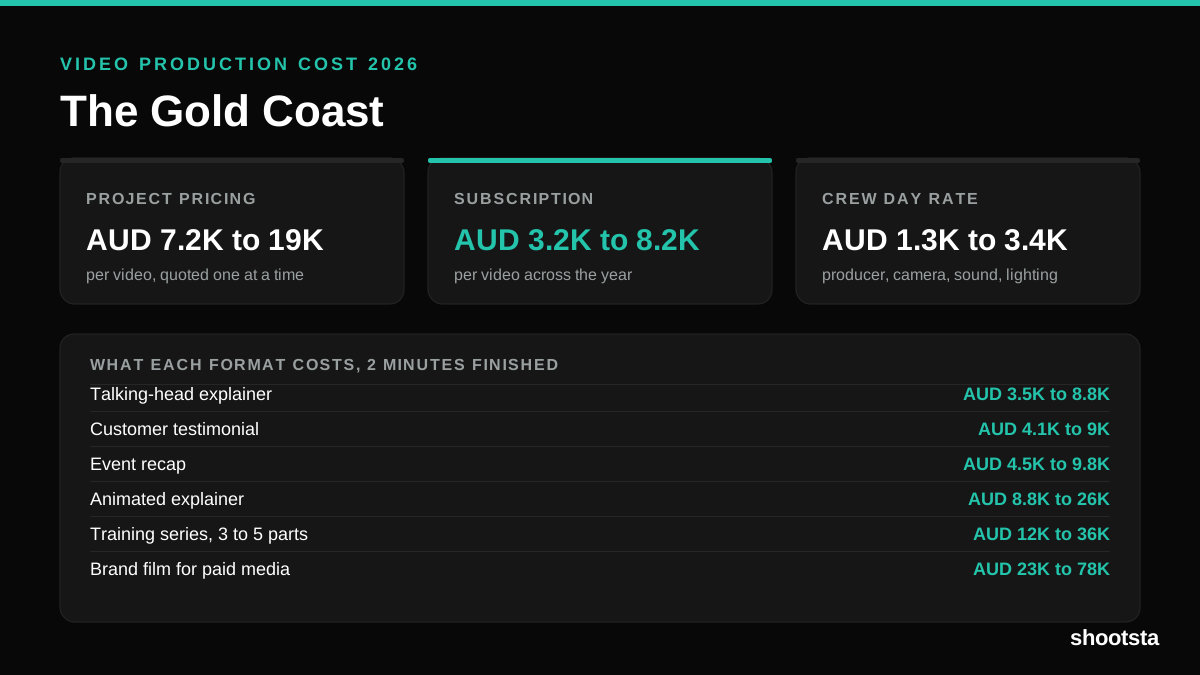
Video Production Cost on the Gold Coast 2026
Video production in the Gold Coast costs AUD 3,200 to AUD 8,200 per finished video on a subscription model, and AUD 7,200 to AUD 18,500 for one-off project work. Here is what you are paying for, and how the three pricing models compare.
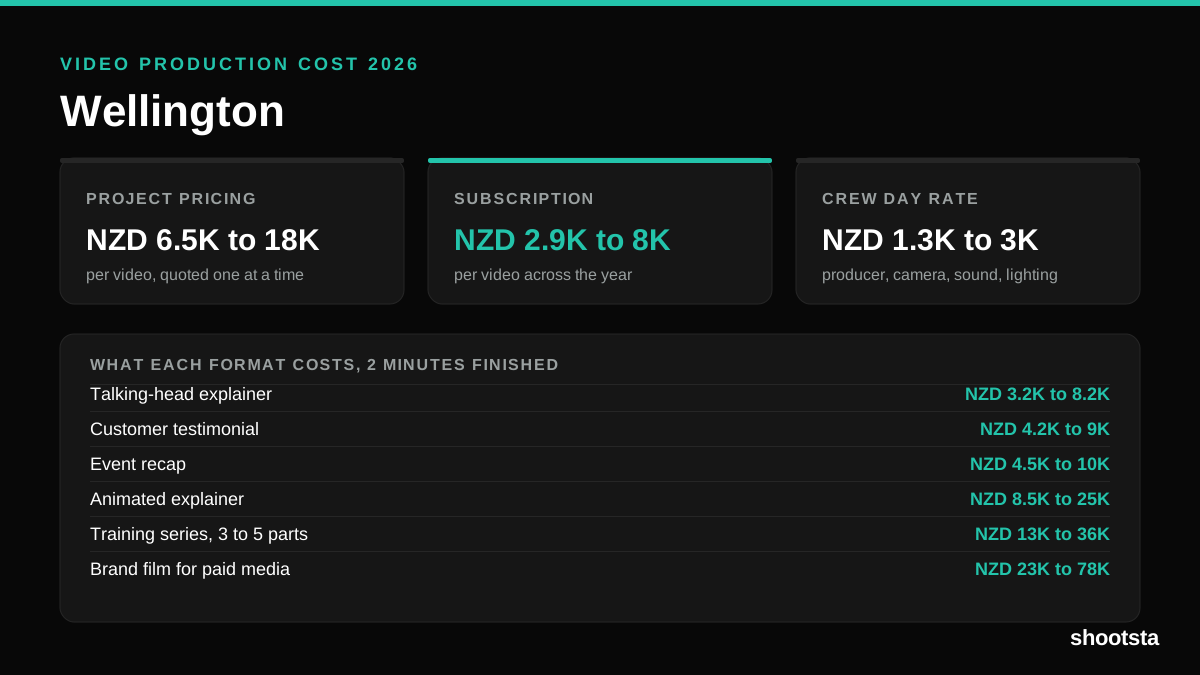
Video Production Cost in Wellington (2026)
Video production in Wellington costs NZD 2,900 to NZD 8,000 per finished video on a subscription model, and NZD 6,500 to NZD 18,000 for one-off project work. Here is what you are paying for, and how the three pricing models compare.
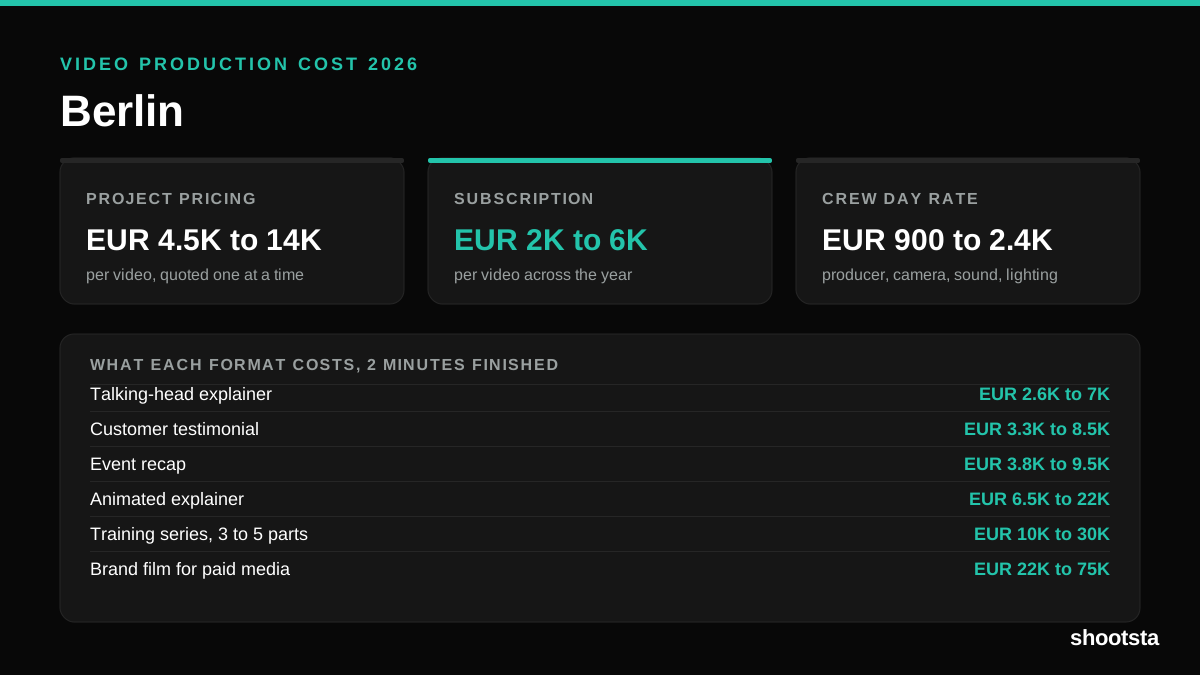
Video Production Cost in Berlin (2026)
Video production in Berlin costs EUR 2,000 to EUR 6,000 per finished video on a subscription model, and EUR 4,500 to EUR 13,500 for one-off project work. Here is what you are paying for, and how the three pricing models compare.