
shootsta.
How to Create Purpose-Driven Video Content
By Rania Michaels · Published October 28, 2024 · Updated October 2026

Making a video without a clear objective is like setting sail without a compass. You might move forward, but you are unlikely to reach the place you wanted to go. A video made with a distinct purpose stands out from the pile, because it has a job to do and the viewer can feel it. The aim is a connection that stays with your audience after the video ends, and that starts with knowing why you made it.
Plenty of businesses start video production under pressure to keep up with what everyone else is posting, and the result is a video with no direction. Without a defined objective, the budget and the shoot day go to waste, and neither the team nor the viewer gets much out of it. Once you set the purpose first, every second of footage has a job to do.
The importance of defining your video's objective
Every memorable video starts with a clearly defined objective that guides it from the first brief to the final export. Think of that objective as the video's compass. It sets the narrative arc and it shapes every production decision along the way, so the script, the visuals, the music and the editing style all pull in the same direction.
Say your video is meant to teach customers about a new product. Every scene, every line of dialogue and every graphic should then reinforce the features and benefits that matter, with the product as the hero of the story. That discipline stops the edit from drifting into side topics or diluting the core message with visuals that argue with it. Keep the objective in sight and you end up with a focused video that holds your audience and moves them toward the outcome you wanted, whether that is learning, converting or sharing.
Pinning down the objective: key questions to ask
Defining the objective of your video takes more than a line in a brief. It means getting clear on why the video exists before anyone picks up a camera. Answering these three questions will get you there:
1. Why are you making this video?
Start with the core reason you decided to produce this piece, whether that is to inform, persuade, entertain or teach your audience. That answer sets the direction for everything that follows.
2. What change do you want to see in your audience after they watch it?
Video is a strong tool for changing minds. Decide what you want your audience to think, feel or do differently once they have watched. That change could be a shift in how they see your brand, a new interest, a clearer understanding of a topic, or a decision to act.
3. What is your dream outcome with this video?
Picture the best result the video could have for the business. It might be more sales, better customer engagement, a team that has learned something new, or wider brand awareness.
Honest answers to these questions pin down the real purpose of your video, so every creative choice can be tested against it. That makes the video more relevant to the viewer, and it keeps your budget pointed at the work that matters rather than spread across ideas that were never going to serve the goal.
How to articulate your objective clearly
Everyone involved in the project, from stakeholders to the production team, needs to hear the objective in the same words. A project where each person carries a slightly different version of the goal falls apart in review. Here is how to communicate your video's goals so that does not happen:
1. Be Concise and Specific
Avoid vague descriptions and state what the video aims to achieve in specific terms. For example, instead of saying "increase awareness," write "educate customers about the new product features to increase sales by 10% within the first quarter."
2. Use Visuals and Documents
Back up the conversation with a storyboard, a mood board or a written brief. These documents carry the tone, the style and the core message better than a meeting does, and they give everyone the same reference point to work from.
3. Align with Broader Goals
Connect the video's objective to the wider business or marketing goals it serves. When stakeholders can see the line from this video to a target they already care about, they treat it as a tool for hitting that target and give it the attention it needs.
4. Encourage Feedback
Once you have stated the objective, ask for feedback and check that everyone involved understands it the same way. That conversation will sharpen the approach and confirm that the team is agreed before production starts.
5. Regular Check-ins
Refer back to the objective in meetings and emails throughout production. Regular check-ins keep the project focused and give you a chance to adjust when something changes or a better idea turns up.
Clear communication of the objective gives the project a solid base, gets your team pulling the same way and raises the odds of the result you wanted. When everyone understands and agrees on the purpose, the production process runs faster and the finished video does its job.
Build your video strategy with Shootsta
Shootsta gives you the tools and the guidance to tie your video work to your business goals. You can talk a brief through with a producer, then brief, review and approve in the Shootsta Platform, and the edit comes back as a first cut in about 48 hours.
If you want to put a clearer objective behind your next video, get in touch and we will help you define it and build the video around it.
Keep reading
Take this article with you
Read the latest at shootsta.com/blog/create-purpose-driven-content
You might also like
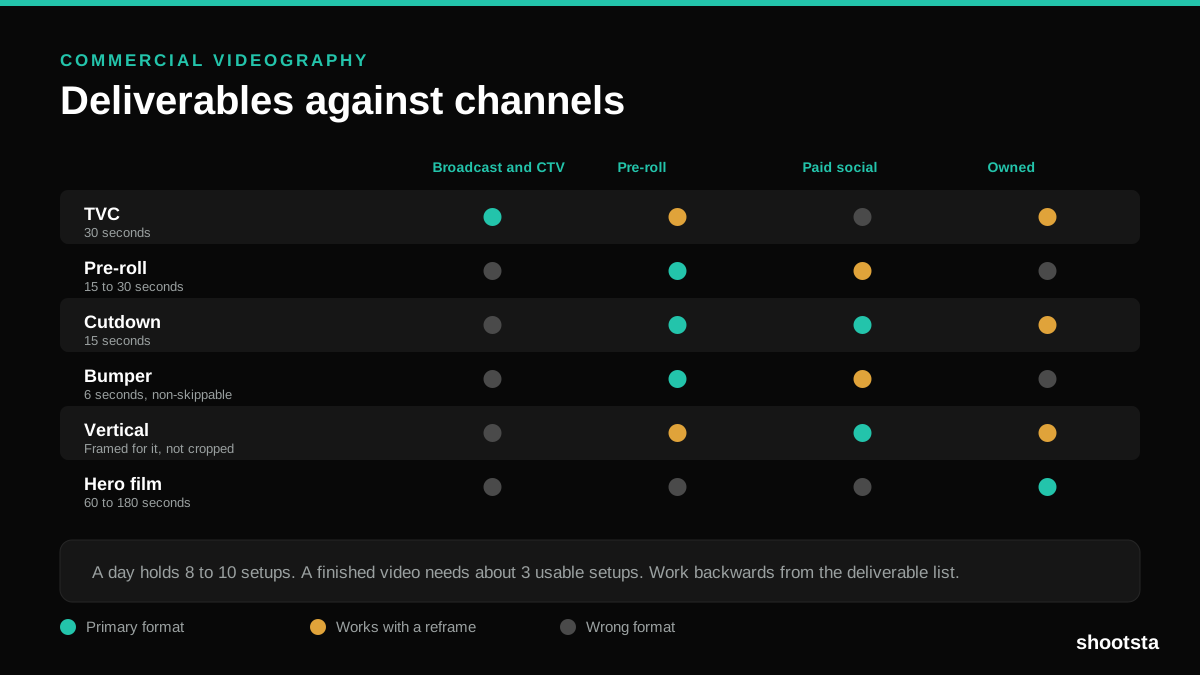
Commercial Videography: Cost and Scope
Commercial videography is priced by the day and judged by the deliverable. Most projects go wrong because those two numbers were never reconciled.
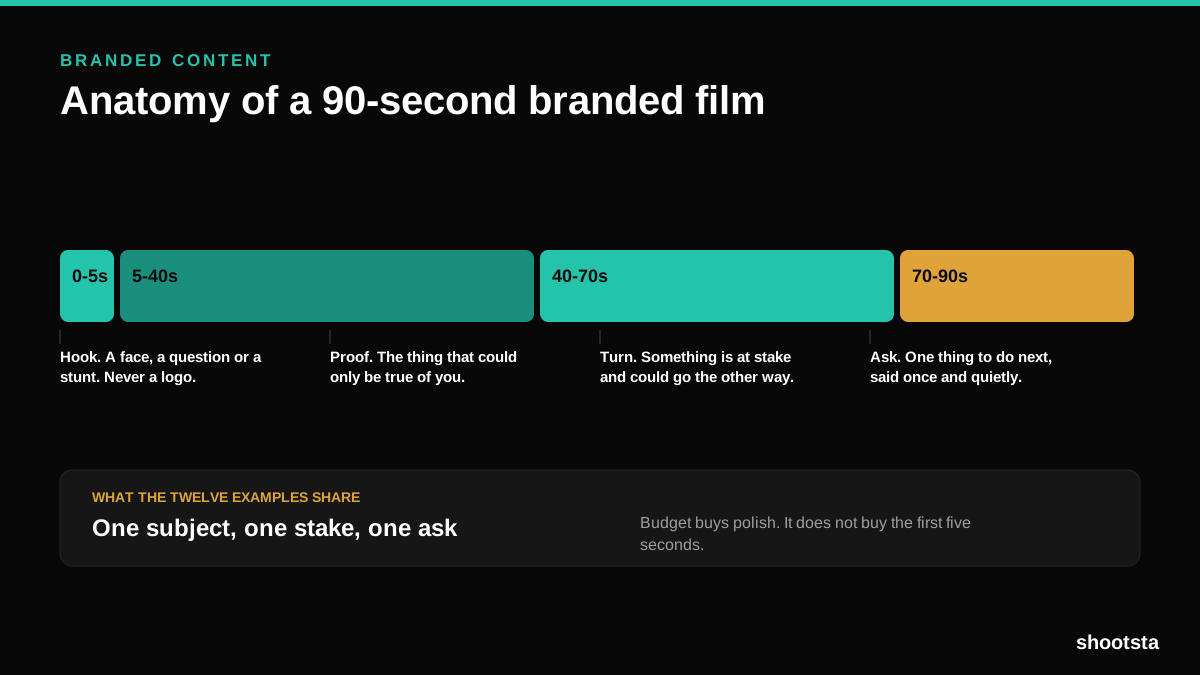
12 Branded Content Examples That Worked
Twelve pieces of branded content that people chose to watch, what each one got right, and the structure underneath all of them.
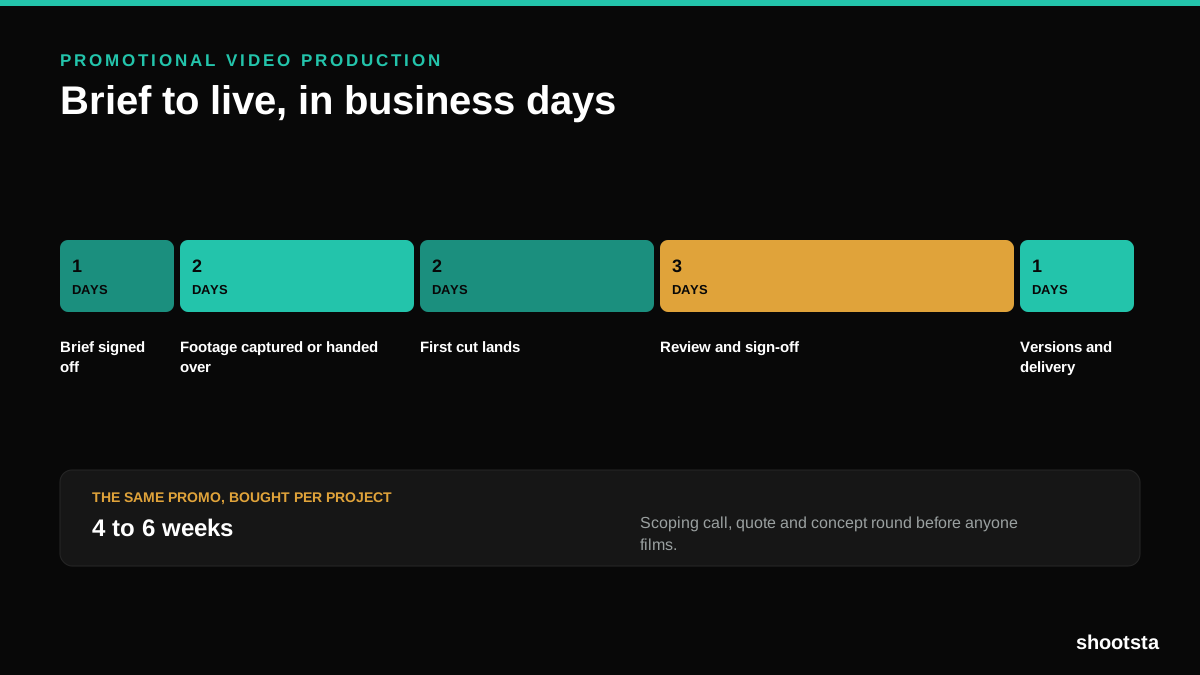
Promotional Video Production: Cost and Time
Most promotional video production schedules are not slow because of the edit. They are slow because of the approval chain. Here is where the days go.
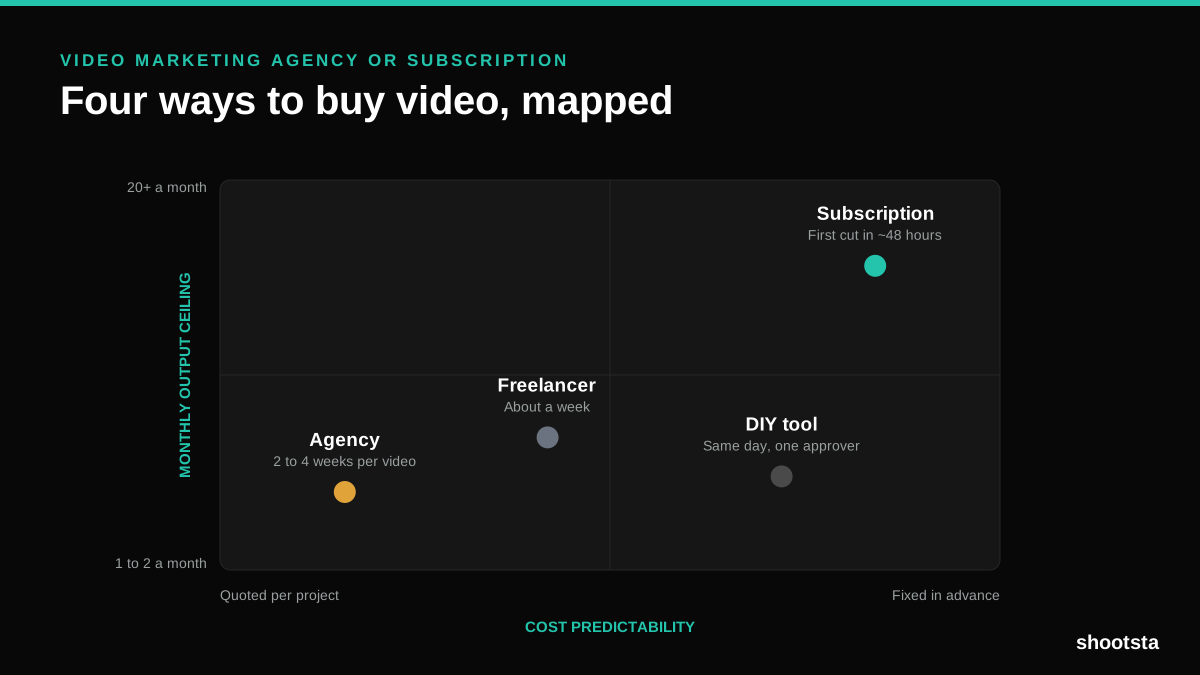
Video Marketing Agency or Subscription?
A video marketing agency prices per project and works in weeks. A subscription prices the year and works in days. Which one fits depends on how often you publish, not on which is better.

B2B Video Production: Costs and Buying Models
There are five ways to buy B2B video production. Each one works well up to a point and then breaks, usually at a volume nobody planned for. Here is what each costs and where the ceiling sits.
How to Measure Video Speed-to-Market
How to Measure Video Speed-to-Market
Speed-to-market is the lag between needing a video and publishing it. For marketing teams it is a revenue metric. Here is how to measure and improve it.