
shootsta.
The Future of Storytelling: Technology and Humanity
By Rania Michaels · Published March 14, 2024 · Updated October 2026
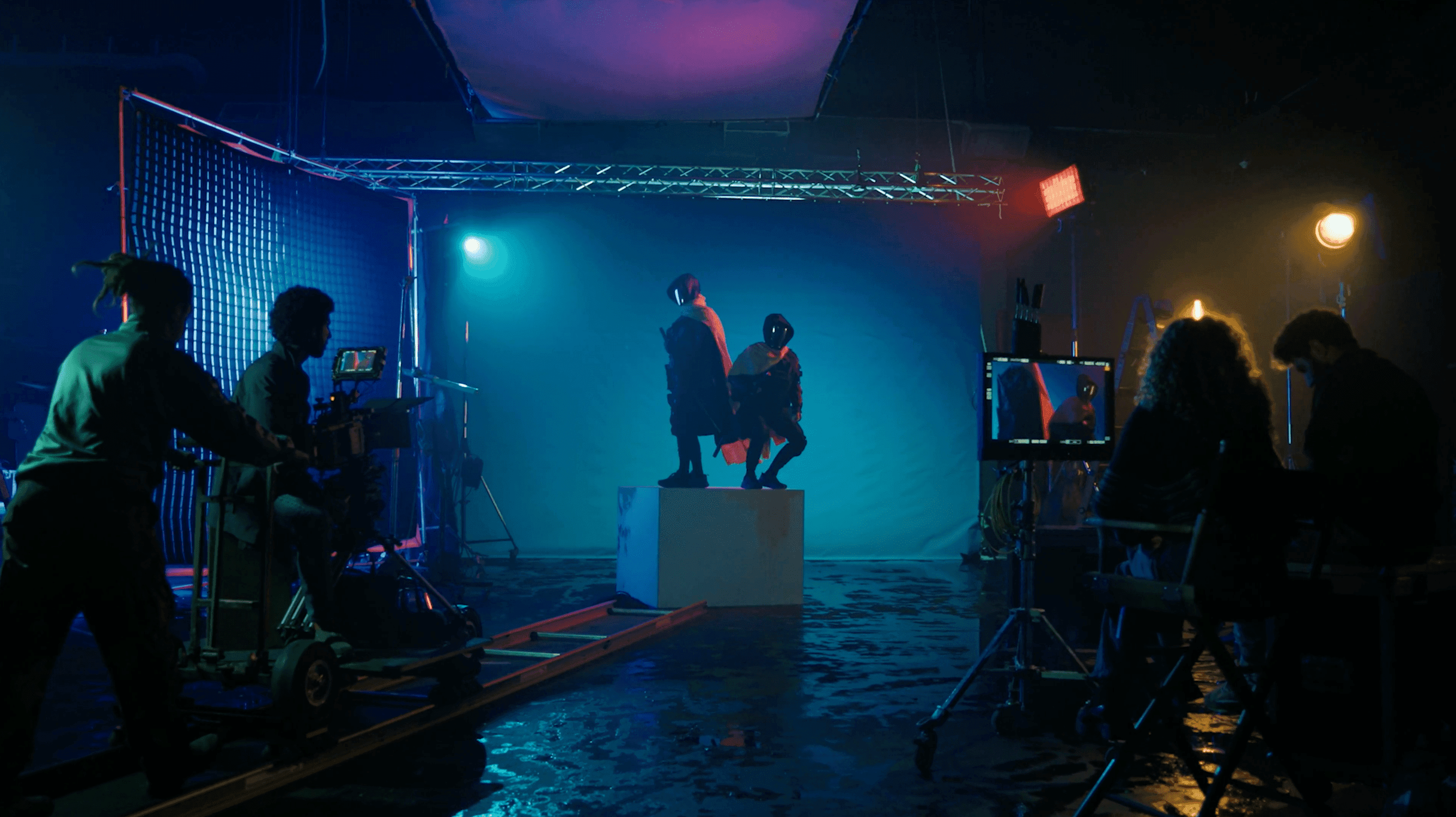
The technological revolution in video production is here. The storytelling power we've now got at our fingertips is redefining how we create video content at a rapid pace, thanks to some seriously smart tech advancements.
People have told stories for as long as there have been people. Storytelling is the base of human communication, and it connects us across generations and cultures through shared experience and imagination. Today, video is the strongest storytelling format we have, because it can capture complex human emotions and moments in a way text cannot.
Technology keeps changing at a fast pace, especially in Artificial Intelligence (AI), and that leaves storytellers with a problem. We need to make sure these new tools add to our stories. We also need to make sure they do not strip away the things that make those stories worth telling in the first place.
This post looks at how to blend the old with the new. We want to find out how video can hold attention and also tell stories that feel more real and more honest, so they build a deeper connection with the people watching. That connection is the whole point of storytelling.
The Future of Video: 2024 MUSE Creative Awards Gold Winner
What must we preserve in storytelling?
With technology moving this quickly, especially in video storytelling, it helps to stop and ask ourselves, "What do we really want to preserve?"
Emotional connection
Every great story makes you feel something. Joy, sorrow, excitement and fear are what connect us to a story on a human level. As we take up AI and other new tools, we have to make sure that emotional depth survives. Telling the story is only half the job, because the audience also has to feel it, and that empathy comes from human experience.
Human perspective
Storytelling is special because each creator brings their own voice, experience and point of view. As technology becomes part of the creative process, we have to watch that these human elements are not watered down or replaced. Stories are rich because many different voices tell them, and keeping that variety is something we will not trade away.
Authenticity
Technology can now produce material at a scale we have never seen, and that makes it easy to drift away from authenticity. Authenticity is what makes a story trusted and relatable. In video, every visual cue and spoken word can build that trust or break it. As we adopt new tools, we need to keep stories honest and true to where they came from.
Ethics
New technologies also raise ethical questions. Deepfakes challenge our sense of what is real, and AI algorithms can reinforce biases without anyone meaning them to. As storytellers, it is our job to face these questions directly. That can mean checking how an AI tool was trained and telling viewers when a scene was generated. The stories we tell should do some good for society and respect the people in them and the people watching.
Handling the technological revolution in video production
The technological revolution in video production is here. The tools now at our fingertips are changing how we make video, and they are changing it quickly. New technology has sped up every stage of the process, from shaping an idea to making the edit to reaching an audience.
The future of AI in storytelling
Using AI well in storytelling means balancing new technology with the human element. AI is a tool that helps the storyteller, and the storyteller stays in charge. You can use AI for tasks such as data analysis, pattern recognition and some parts of drafting. That frees up time for the creative work that needs a human touch, which is writing stories that move people. An editor might use AI to find the strongest takes in hours of footage, then spend the time saved on shaping the story.
Bringing AI into the way you tell stories opens up new options. Stories can be more tailored to each viewer and more interactive. The hard part will be keeping those stories authentic and emotionally deep. As AI tools improve, the task is to use them in ways that strengthen the story and keep the heart of a form that people have loved for thousands of years.
"AI, in its essence, is a tool of refined simplicity, amplifying our creative potential and unlocking dimensions of thought previously unattainable."
Dan Chiha, Shootsta CEO
Balancing technology with human creativity
We believe technology should support the human elements at the heart of storytelling, such as emotion, creativity and connection, and leave them in human hands. A balanced approach lets you take the time savings and new ideas technology offers while the soul of the story stays human.
Technology should support and never stand in for
the essential human elements at the heart of storytelling.
Technology and traditional storytelling work best when each does what it is good at. AI can help with the research and ideas stages, such as audience analysis, trend prediction and testing what performs. That helps storytellers understand their audience and tailor stories that land on a deeper level. The creative input that brings a story to life still comes from people.
Join us in reimagining the future of video storytelling together.
Video storytelling is changing fast, and our aim is simple. We want to use AI and other new technologies to make storytelling easier and richer, while keeping the human connection at its core.
We are excited to help lead this work. Join us as we try new tools and new formats, and we will keep our mission and values at the center of everything we make.
Keep reading
Take this article with you
Read the latest at shootsta.com/blog/the-future-of-storytelling-the-merge-of-technology-and-humanity
You might also like

How to Plan Video Team Capacity Around Leave
Your only editor just booked two weeks off, and you already know which projects will slip. Chad Lakin explains how to plan video team capacity so the work keeps moving when someone is away.

Corporate Video Editing Standards: Full Guide
A two-page editing standard does more for consistency than a forty-page brand book. Here is what it should cover, who owns each part, and how to enforce it with an in-house editor or an outside partner.
Quality Control in Outsourced Video Editing
When editing leaves the building, quality has to be checked by a system rather than by whoever happens to look. Here is the system: acceptance criteria, two QA gates, counted revision rounds and a quarterly audit.
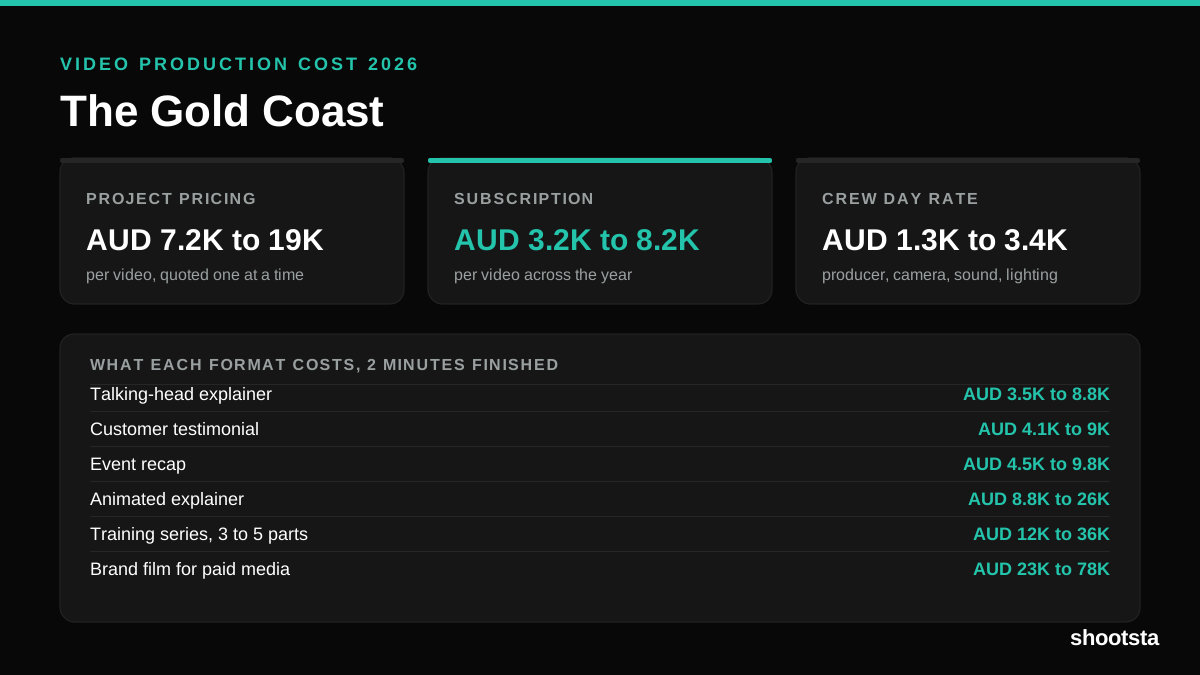
Video Production Cost on the Gold Coast 2026
Video production in the Gold Coast costs AUD 3,200 to AUD 8,200 per finished video on a subscription model, and AUD 7,200 to AUD 18,500 for one-off project work. Here is what you are paying for, and how the three pricing models compare.
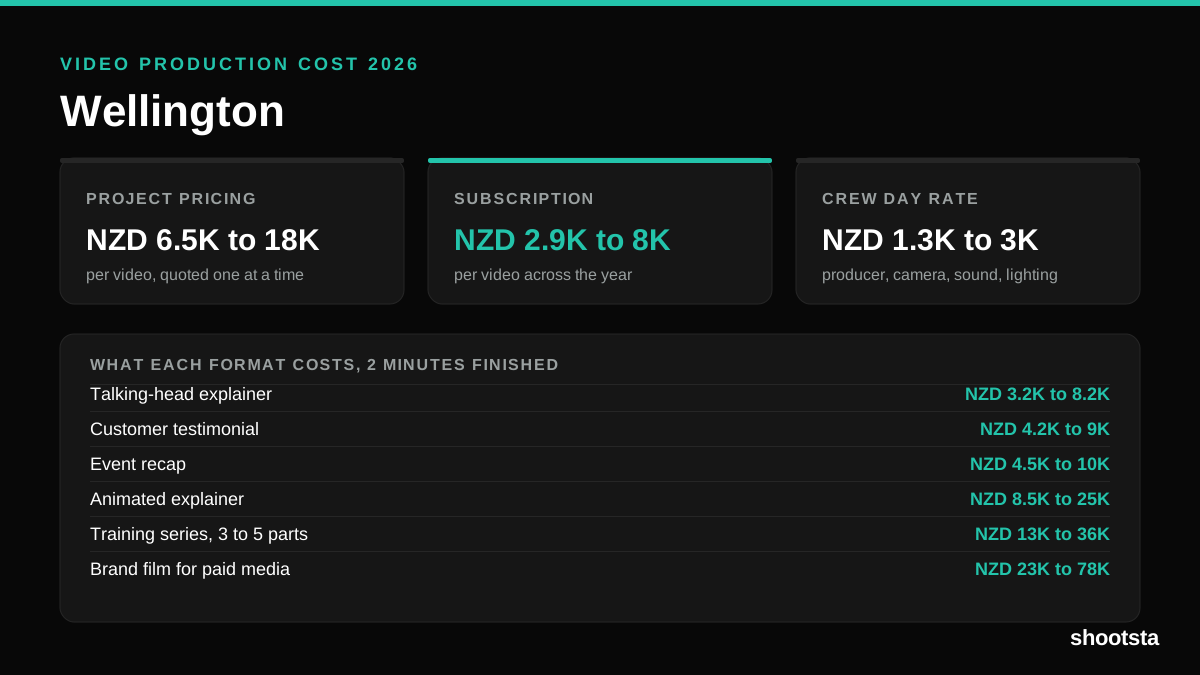
Video Production Cost in Wellington (2026)
Video production in Wellington costs NZD 2,900 to NZD 8,000 per finished video on a subscription model, and NZD 6,500 to NZD 18,000 for one-off project work. Here is what you are paying for, and how the three pricing models compare.

Video Production Cost in Berlin (2026)
Video production in Berlin costs EUR 2,000 to EUR 6,000 per finished video on a subscription model, and EUR 4,500 to EUR 13,500 for one-off project work. Here is what you are paying for, and how the three pricing models compare.