
Video Production for Pharmaceutical Companies
shootsta.
Video Production for Pharmaceutical Companies
By Shootsta · Published February 12, 2026 · Updated April 2026
Pharma companies produce more video than most industries - from HCP education to patient stories to compliance training. Here is how the regulated production process actually works.
Why do pharmaceutical companies need so much video?
Pharma has more video use cases than almost any other industry. HCP (healthcare professional) education. Patient awareness campaigns. Sales rep training on new drug launches. Compliance and pharmacovigilance training. Medical science liaison content. Conference presentations. Internal leadership communications across global offices.
The challenge isn't demand for video - it's producing it fast enough within regulatory constraints. Every piece of content needs medical, legal, and regulatory (MLR) review before it goes live. Traditional agency production takes 6-8 weeks per video. Add 2-4 weeks for compliance review. That's 10-12 weeks from brief to published video. By then, the conference is over or the launch window has passed.
What types of video do pharma companies produce?
HCP education and medical education
Short educational videos explaining mechanisms of action, clinical trial results, or treatment protocols. These are shared at conferences, through medical affairs teams, and on HCP-facing platforms. They need to be scientifically accurate and cleared by medical review.
Sales rep training and product launches
When a new drug launches, hundreds or thousands of reps need to understand the product, the clinical data, the competitive positioning, and the approved messaging. Video-based training modules deliver this consistently across every rep, regardless of region or timezone.
Compliance and pharmacovigilance training
Mandatory training on adverse event reporting, promotional guidelines, anti-bribery, and data privacy. These need to be documented, tracked, and updated when regulations change. Scenario-based compliance training videos get better retention than slide decks.
Patient stories and disease awareness
Real patient testimonials and disease awareness campaigns that humanize the condition and the treatment. These are sensitive productions - they require patient consent processes, careful scripting to stay within approved claims, and often MLR review.
Internal communications
CEO updates, R&D pipeline briefings, town halls, and change management communications. These are produced frequently (weekly or monthly) and need fast turnaround. A video maker built for internal comms handles this well.
How do you handle compliance review in video production?
The MLR review process is the bottleneck in pharma video production. Every claim, every visual, every subtitle needs to be reviewed and approved before publication.
The way to speed this up without cutting corners is to build compliance into the workflow:
Pre-approved templates. Your brand kit includes approved intros, disclaimers, fair balance statements, and ISI (Important Safety Information) formatting. These are locked into every edit so editors can't accidentally omit them.
Review and approval workflows. The production platform routes finished videos to your MLR team for review before publication. Reviewers comment directly on the video timeline. Editors make changes and resubmit. The approval trail is documented.
Version control. When a label update requires changing a safety statement, you update that specific section without re-producing the entire video. The platform retains all versions for audit purposes.
How does Shootsta work for pharma?
Shootsta works with pharmaceutical companies including CSL, Bayer, Mundipharma, Genentech, Abbott, and Elanco. The subscription model handles the volume that pharma needs - 10-50 videos per month across training, HCP education, internal comms, and conference content.
Your medical affairs and marketing teams film on their devices using guided prompts. Our editors deliver branded, compliant-ready video within 48 hours. Your MLR team reviews and approves through the platform before anything goes live.
Explore video for regulated industries, or see how our training video production handles compliance content at scale.
Take this article with you
Read the latest at shootsta.com/blog/video-production-for-pharmaceutical-companies
You might also like
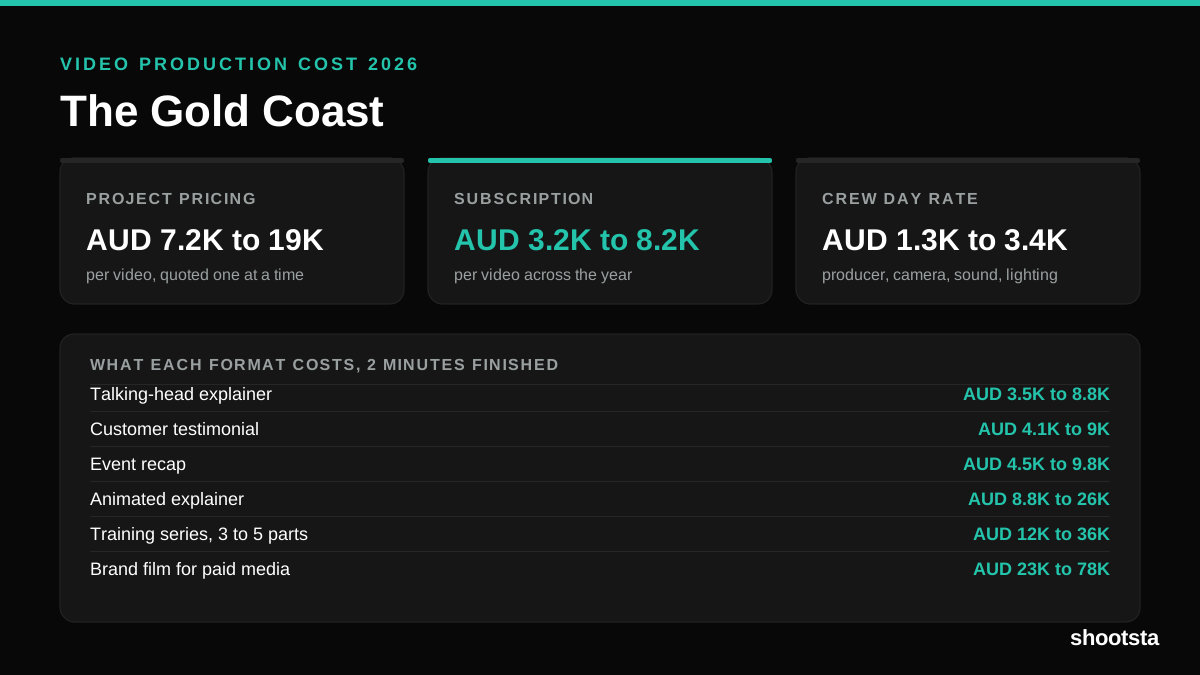
Video Production Cost on the Gold Coast 2026
Video production in the Gold Coast costs AUD 3,200 to AUD 8,200 per finished video on a subscription model, and AUD 7,200 to AUD 18,500 for one-off project work. Here is what you are paying for, and how the three pricing models compare.
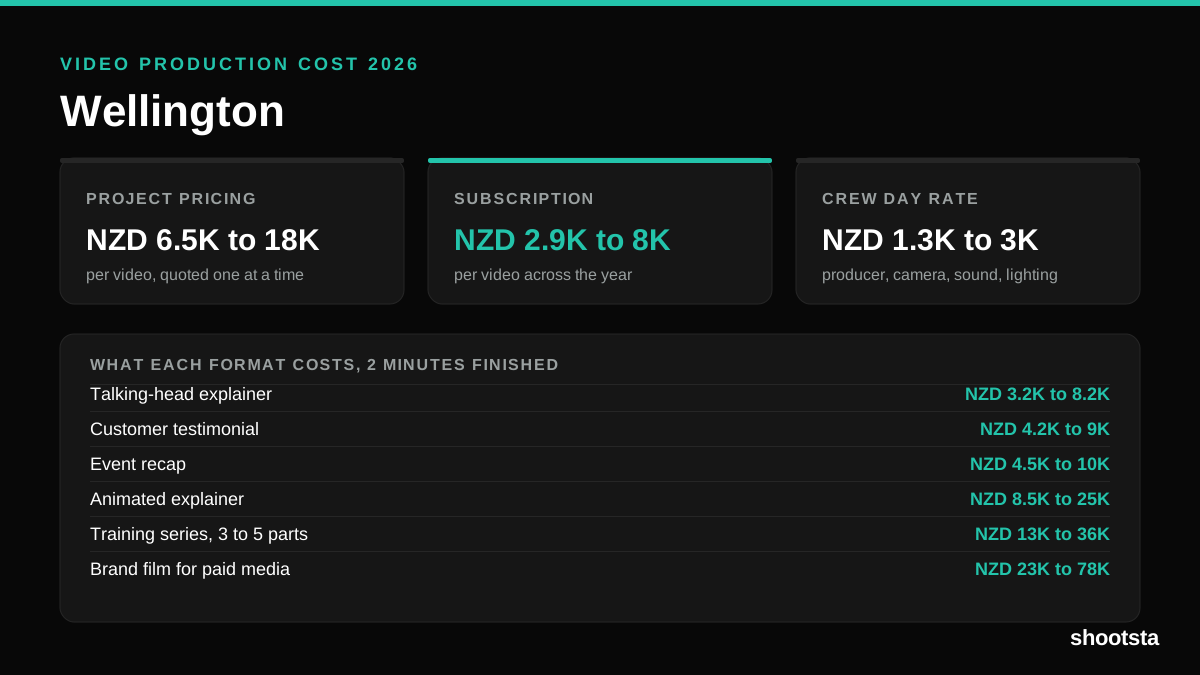
Video Production Cost in Wellington (2026)
Video production in Wellington costs NZD 2,900 to NZD 8,000 per finished video on a subscription model, and NZD 6,500 to NZD 18,000 for one-off project work. Here is what you are paying for, and how the three pricing models compare.
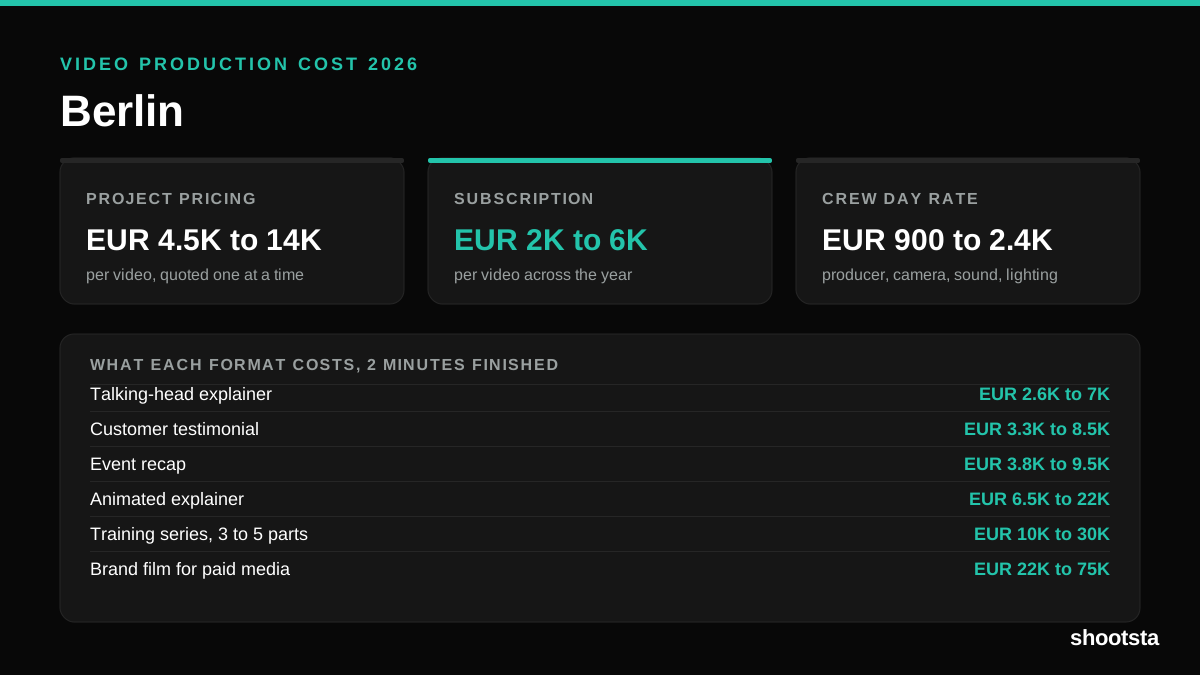
Video Production Cost in Berlin (2026)
Video production in Berlin costs EUR 2,000 to EUR 6,000 per finished video on a subscription model, and EUR 4,500 to EUR 13,500 for one-off project work. Here is what you are paying for, and how the three pricing models compare.
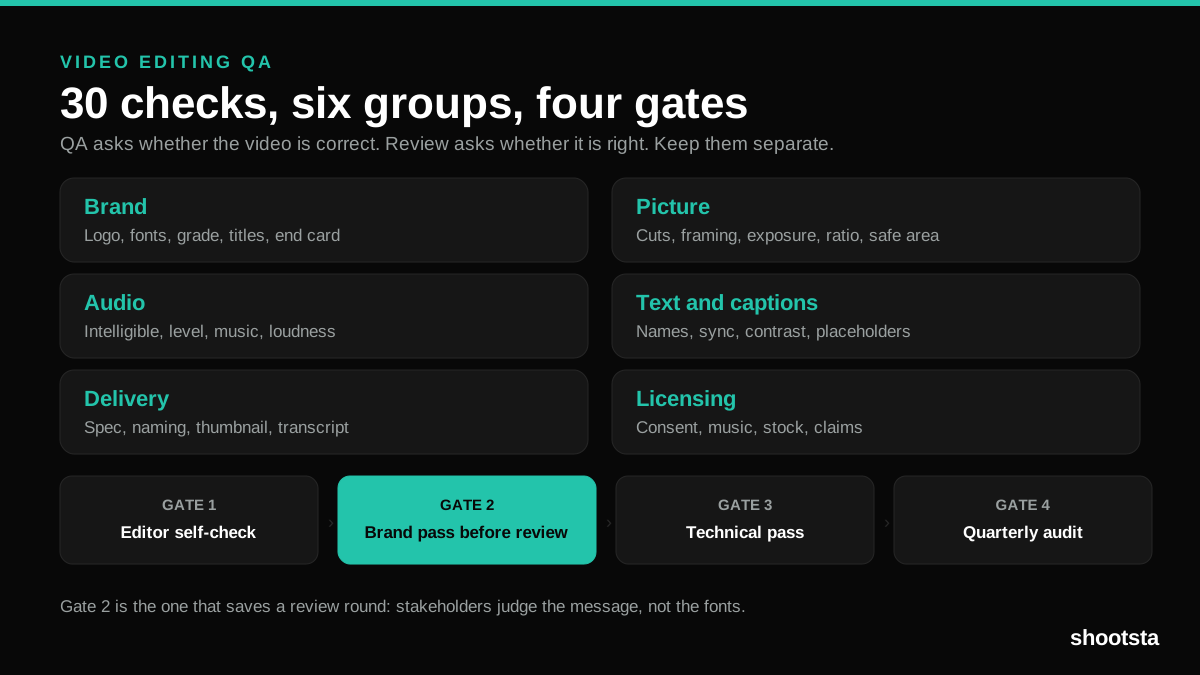
Video Editing QA: The Complete 2026 Guide
Video editing QA is the pass that catches brand drift, bad audio and wrong deliverables before stakeholders do. Here is the 30-point checklist, the four stage gates, and how to run it at 40 videos a month.
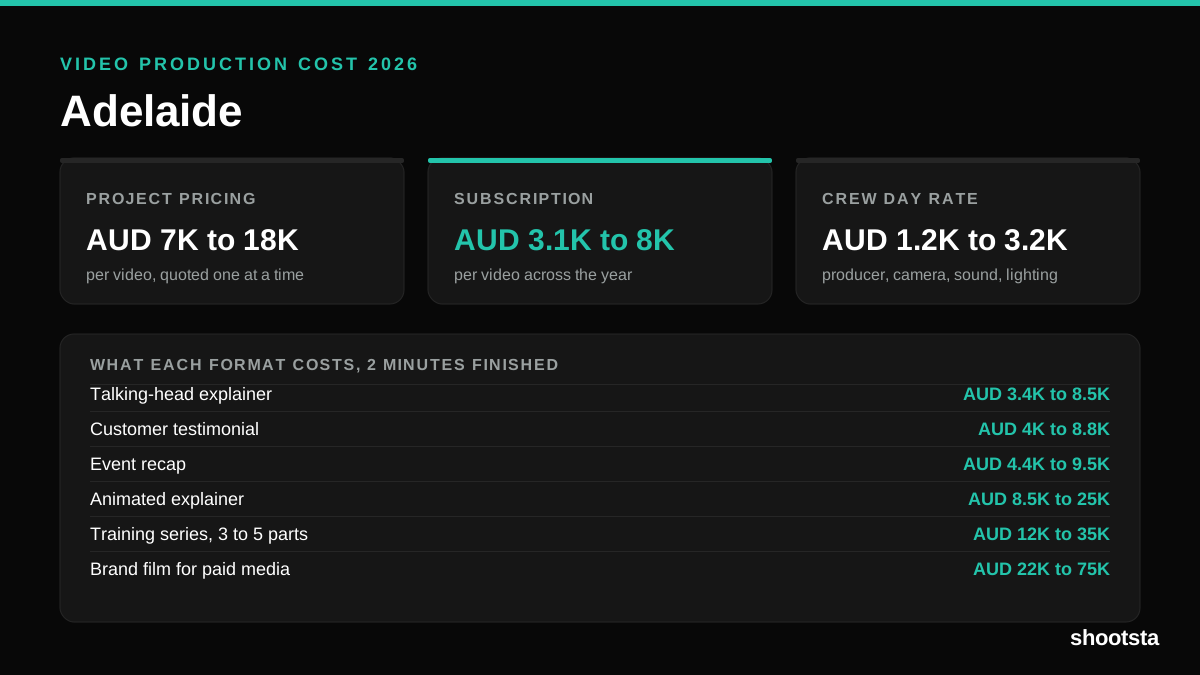
Video Production Cost in Adelaide (2026)
Video production in Adelaide costs AUD 3,100 to AUD 8,000 per finished video on a subscription model, and AUD 7,000 to AUD 18,000 for one-off project work. Here is what you are paying for, and how the three pricing models compare.
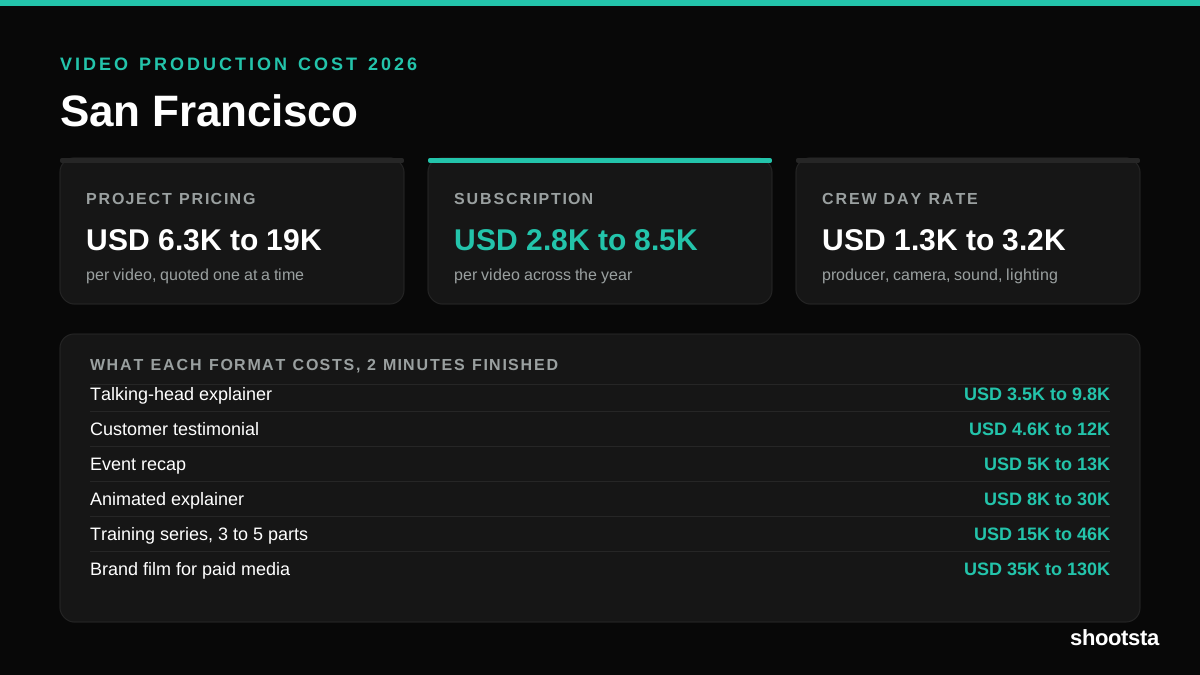
Video Production Cost in San Francisco 2026
Video production in San Francisco costs USD 2,800 to USD 8,500 per finished video on a subscription model, and USD 6,300 to USD 19,100 for one-off project work. Here is what you are paying for, and how the three pricing models compare.