
Guide
Stop Producing Video. Start Operationalizing It.
Your company already knows it needs video. The problem is that every project starts from scratch: new brief, new vendor, new budget negotiation, new timeline. Three videos a quarter is not a video strategy. It is a hobby.
Get the guide
Why most video programs stall
You approved the budget. You hired an agency. They produced three polished videos that looked great. And then nothing happened for four months.
Per-project production is expensive, slow, and hard to repeat. Every new video starts from scratch: new scope, new quote, new timeline. The result is an organization that wants video everywhere but only produces it occasionally.
Operationalizing video fixes this. Instead of treating each video as a standalone project, you build the infrastructure for continuous production: standardized briefs, locked templates, assigned roles, and a production model that rewards volume.
What you'll learn
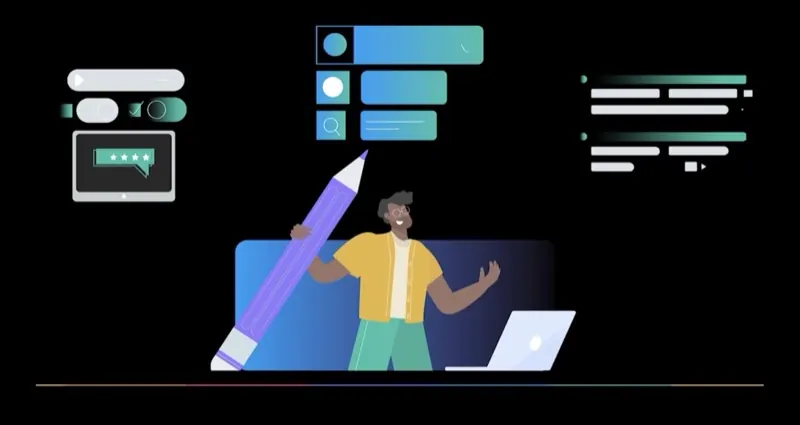
A step-by-step framework for turning ad-hoc video projects into a repeatable, measurable production system.
Define your video operating model
Map out who films, who edits, who approves, and how content moves from brief to publish. A clear operating model removes guesswork from every production.
Build repeatable workflows
Standardize briefing templates, review cycles, and delivery timelines so your team can produce consistently without reinventing the process each time.
Decentralize filming, centralize editing
Let local teams capture footage on-site while professional editors handle post-production. You get authentic content with polished results, across every office.
Control brand and quality at scale
Locked templates, brand guidelines baked into the platform, and structured review stages keep every video on-brand, no matter who created it or where.
Measure output and prove ROI
Track production volume, turnaround time, cost per video, and engagement metrics. Give leadership numbers that justify continued investment.
Scale without adding headcount
A subscription model with on-demand editing means you can triple video output without hiring a single extra producer or editor.
What an operationalized video workflow looks like
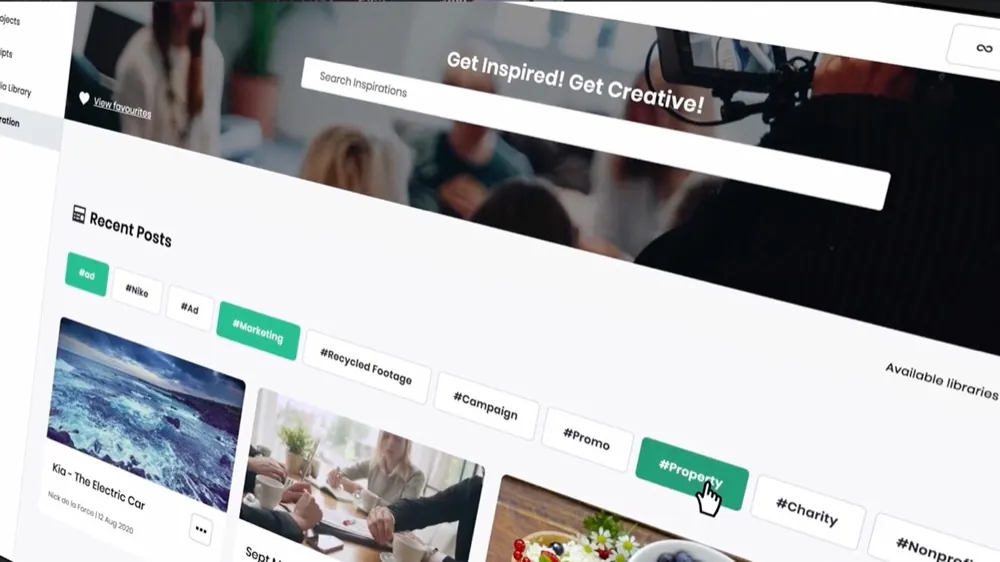
Think of it like a production line. Every video follows the same path: brief, film, edit, review, publish. Each step has an owner, a deadline, and a tool to manage it.
Your local teams film using guided kits and templates that lock in brand standards. Footage uploads to a central platform where professional editors turn it around in 24 to 48 hours. Stakeholders review in-platform with timestamped comments. Approved videos publish straight to your channels.
No email chains. No version confusion. No bottleneck waiting on one overloaded producer.
Built for enterprise teams, not production studios
You do not need cameras, lights, or editing software to operationalize video. Shootsta provides the equipment, the editors, and the platform. Your team provides the subject matter expertise and the stories worth telling.
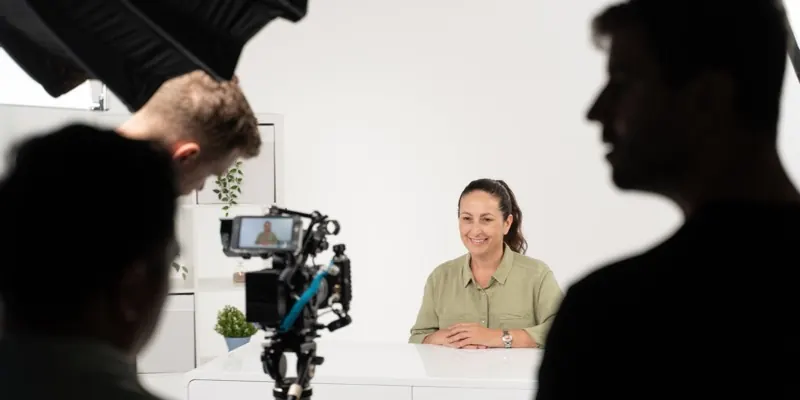
This model works because it meets people where they are. A comms manager in London films a leadership update. An L&D lead in Sydney records a training walkthrough. A marketing coordinator in San Diego captures a customer testimonial. All three upload to the same platform, use the same branded templates, and get professionally edited videos back within days.
That is what operationalized video looks like in practice: distributed filming, production at scale, and consistent quality everywhere. Read our guide on keeping brand consistency across outsourced video editing for a deeper look at how global teams solve this.
Who this guide is for
Communications Leaders
Marketing Directors
L&D Managers
Enterprise Video Champions
Get the full guide
Fill in your details below to get instant access.
Frequently asked questions
What does it mean to operationalize video?
Operationalizing video means treating video production as a repeatable business function rather than a series of one-off projects. It involves building standardized workflows, assigning clear roles, using shared tools, and measuring output consistently, so any team in your organization can produce professional video on a predictable schedule and budget.
How long does it take to operationalize video production?
Most organizations using Shootsta move from ad-hoc production to a working video operation within 60 to 90 days. The first month focuses on setting up templates, workflows, and training. By month two, teams are producing independently. By month three, you have a repeatable system with measurable output.
Do we need to hire a video team to operationalize production?
No. The whole point of operationalizing video is to scale output without scaling headcount. With a subscription model like Shootsta, your existing team members handle filming (using guided kits and templates), while professional editors handle post-production remotely. You get studio-quality results without a full in-house production department.
What types of video can we produce with an operationalized model?
Any type your business needs: training and onboarding videos, internal communications, customer testimonials, product demos, event recaps, social content, recruitment videos, and more. The operating model is format-agnostic. Once your workflow is set up, adding a new video type is just a new template and brief.
How does operationalizing video reduce costs?
Traditional video production bills per project, with each video costing $5,000 to $20,000 or more. An operationalized model uses a flat subscription, so the more videos you produce, the lower your cost per video drops. Teams that move to this model typically see a 40 to 60 percent reduction in per-video costs within the first quarter.
Ready to operationalize video?
Download the guide and start building the systems that make video production a repeatable, scalable part of how your organization communicates.
Get the guide